


A Queer Breakdown Of Stone Sexual Identities
When it comes to stone identities like stone top and pillow princess, each person has their own unique relationship to the word.
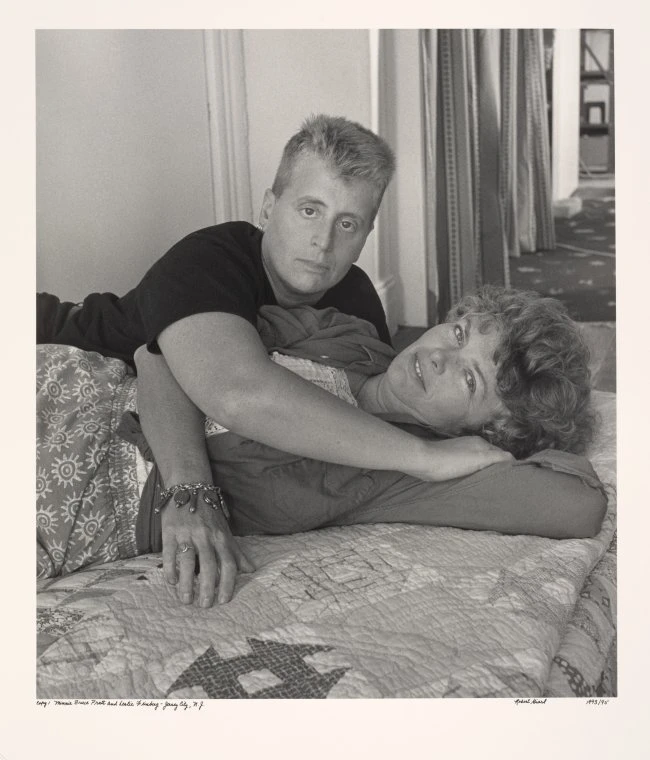
Feature Image : Courtesy of the NYPL Digital Collections
For some queer people, learning about the book Stone Butch Blues may have marked an introduction to the concept of stone identities. Although stone sexual orientations make up an important part of queer spaces, they are commonly misunderstood when looked at through heteronormative ideas of what sex “should” be. Even in our own queer community, stone sexualities can be misrepresented as “one-sided” or “repressed.” Not only are these perceptions of queer sexuality harmful, but they prioritize oppressive ideals around what sex is supposed to look like.
Part of being queer is being able to decide and construct your own ideas of how sex is defined—something straight people can take notes from as well! As a queer sex educator myself, I’ve seen firsthand how when we give people the tools to define sex for themselves, pleasure and authenticity come to the forefront of sexuality. A core element of the sex ed classes I teach tackles the understanding that sex does not equate to two partners mutually giving and receiving (whether that be through oral sex, penetrative sex, sex toys, or other). Even for queer people who don’t identify as stone tops or pillow princesses, the amount you are giving or receiving with a partner will likely not remain exactly the same every time you have sex. When we remove the pressure of limiting sex through a heteronormative perspective, everyone thrives in their ability to embrace their genuine desires.
Pleasure can come in all different forms, and people have sex for all kinds of reasons. AASECT-certified queer sex therapist Claire Perelman (@sexclarified) says that stone identities flip the script on predictable formulas of heternormative sex, reminding us that “pleasure can be designed in whatever way you might want it.” As not everyone has the same wants or needs when it comes to sex, this means pleasure will also look different for each person.
When it comes to stone identities like stone top and pillow princess, each person has their own unique relationship to the word, so use this guide as a starting point to understand and embrace these queer sexualities.
What is a stone top?
A stone top often refers to a person in partnered sex who chooses to take on the role of giving sexual touch to their partner, but does not want to receive. Stone tops can encompass a variety of experiences, ranging from those who never want to receive sexual touch to others who like it in some cases with certain partners. Stone butches may fall under the umbrella of stone tops, whereas stone tops can apply to anyone of any gender expression.
It’s important to know that being sexually repressed or traumatized is not inherent to being a stone top, despite the stereotypes associated with this identity. When we pathologize stone tops in this way, we lose our ability to appreciate the full spectrum of sexual roles anyone can gravitate towards in queer and straight communities alike.
What is a touch-me-not?
In a similar vein to stone tops, touch-me-nots identify someone who has strict boundaries around being on the receiving end of sexual touch, but enjoys giving sexual touch to a partner.
What is a pillow princess?
Pillow princess is a term used to describe someone who likes to receive sexual touch rather than give sexual touch. Sometimes they are also called stone femmes, though you should know pillow princesses don’t have to be feminine. For some people, this might mean having a strong preference for being a receiving partner, while for others it might indicate a more strict sexual dynamic of always taking on a receiving role.
Pillow princesses are not “disinterested” or “selfish” during sex. They account for an important role that allows pleasure, consent, and respect to thrive in partnered sexual experiences with stone tops. Pillow princesses are also not necessarily interchangeable with being submissive. Being a receiving partner does not always equate to being submissive, and pillow princesses are able to exercise their active, or even dominant, role in sex through being in control of their own pleasure.
What does this mean about sex and pleasure for stone identities?
Shae Harmon, COSRT-registered queer sex and relationship therapist, points out that queering who we are means disregarding restrictive or formulaic ideas of sex and relationships. “Sex doesn’t have to be defined by one thing to make it ‘officially sex,’ like reciprocating, involving genitals, penetration, or nudity.” Even within the queer community, when we let go of the idea that “one person’s pleasure is ‘work’ or ‘not enough work,’” we make room to opt into the possibility of more authentic or individually constructed ideas of pleasure.
AASECT-certified queer sex therapist Karli Kucko also reminds us that good sex is not universally defined through orgasm, but that it is defined through mutual pleasure and consent. “The sexual relationship between a stone top and pillow princess, for example, is balanced and equitable because their mutual pleasure has been defined and honored through their sexual rituals and boundaries.”
How do I know if I’m stone?
In a world where heterosexual sex and dynamics are the norm, evaluating whether or not you align with stone identities can be a journey. Kucko says that looking to your body for guidance around what feels right during sex can give us important knowledge as to what types of sex are freeing and validating, and what is not. “Notice what feels good and pleasurable during sex. If someone enjoys being with their partner but dreads switching roles, it is essential they honor and protect their pleasure and consent by setting boundaries and communicating their needs.” Additionally, Kucko highlights the understanding that being stone and asexual are not necessarily synonymous. While some stones may also identify as asexual, asexuality shouldn’t automatically be diagnosed because someone doesn’t want to receive pleasure through touch. “If identities like Asexuality or Demisexuality have not felt affirming, reading about queer stone identities may feel liberating, exciting, relieving, or even heartbreaking—for the ways one has been made to feel wrong for their natural sexual desires.”
According to Harmon, being able to try on labels in a safe environment and asking yourself, “What do you want from your sex life? What dynamics do you want to explore? Where might you have shame keeping you from trying on new things?” and investigating these conversations with friends or a queer affirming therapist can be a good starting point for anyone seeking to to learn more about their own identity.
Maya is a Brooklyn-based sex educator to students in NYC and a sexuality/ relationships writer. She loves educating people about queerness, pleasure, safety, and exploration. You can find her on Instagram @mayawl.
*This column is not a consultation with a mental health professional and should in no way be construed as such or as a substitute for such consultation. Anyone with issues or concerns should personally seek the advice of a licensed therapist or counselor.