

These People Are Preserving Queer History, One Wikipedia Post at a Time
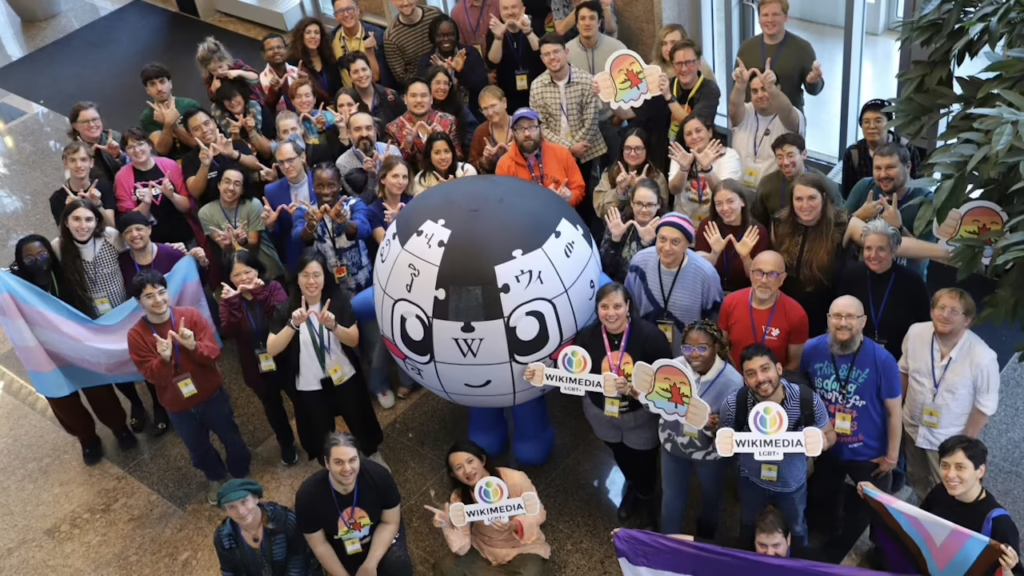
Organized by Wikimedia LGBT+, the event brought together more than 150 people dedicated to preserving queer history online.
At a time when queer experiences and history are being attacked across the world — from the Trump administration erasing certain terms from federal documents and websites to countries cracking down on so-called “LGBTQ propaganda” — there are many working to protect them.
At the end of October, more than 150 people came together in Montreal, Canada, for the Queering Wiki international conference.
The event saw a variety of people dedicated to preserving LGBTQ+ history gather to discuss how best to do it with the assistance of Wikipedia. It was organized by Wikimedia LGBT+, and funded through the Wikimedia Foundation, which runs Wikipedia, The Advocate reports.
Under the theme “Knowledge Without Borders: Queer History and Queer Futures,” organizers said the goal was to discuss how Wikipedia can help.
“At this point in the history of open and free knowledge, a gathering of Queer Wikimedians was not only important, it was necessary,” Wikimedia LGBT+ Executive Director Bisi Alimi said in a statement, LGBTQ Nation reports.
Alimi added, “For many contributors who traveled to Montreal, editing Wikipedia articles about their own communities is not simply an act of documentation; it can carry real legal and personal risks in their home countries. As organizers of this crucial conference, we note that maintaining accurate, neutral, and safety-conscious coverage of LGBTQ+ topics on Wikipedia is increasingly one of the few ways some communities’ histories are preserved at all.”
The conference is just one of the groups that actively work to queer Wikipedia. For example, the Lesbian Herstory Archives has hosted Wikipedia Edit-a-Thons where archivists show participants how to create and update Wikipedia pages related to lesbians and lesbian organizations.
Wikimedia Foundation Gender Lead Bridgit Kurgat warned about what it means for queer history to be off Wikipedia in the age of AI.
“Wikipedia is a foundational source of knowledge for AI,” Kurgat said. “When queer histories and experiences are missing from Wikipedia’s pages, these gaps are carried into the AI systems learning from it, leaving future generations with an incomplete picture of our world. The Queering Wiki Conference was a crucial moment where contributors came together to discuss this important challenge and engage on how to build a more inclusive record of our shared history.”
For those who attended the conference, it allowed for a queer space to celebrate their identity, their passion for online information and communities, and more.
“The Wiki ecosystem is really, really large,” Doja Ade, a public health educator from the U.S., told The Advocate. “Websites like Wikipedia are a great way to fight back and to make sure that we are writing our own history.”