

Jack Haven Details Struggle to Qualify for SAG-AFTRA Health Insurance

Haven’s struggle highlights a larger issue in Hollywood.
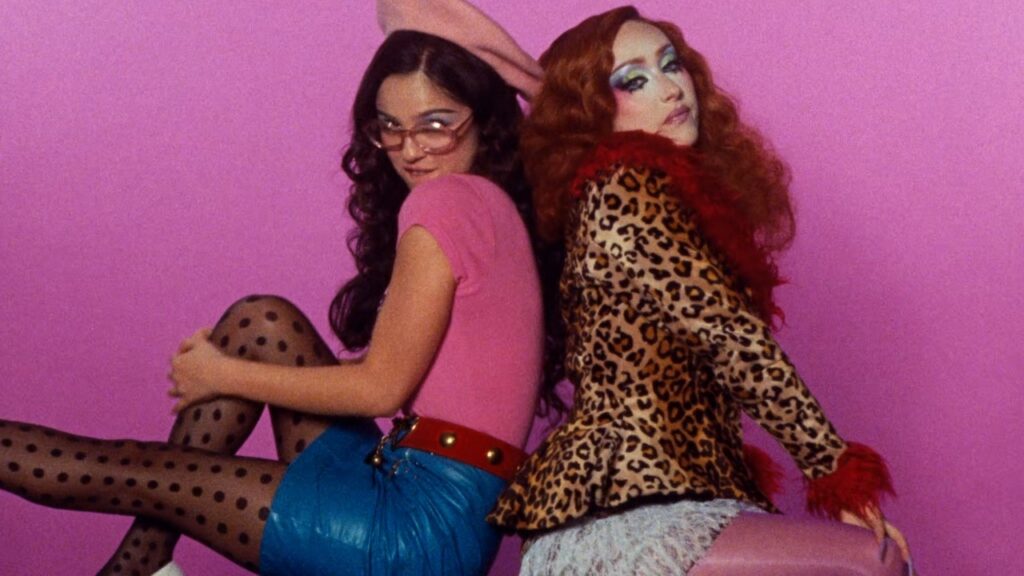
I Saw the TV Glow star Jack Haven has turned to the internet for help getting enough work to qualify for health insurance.
“I’m in a bit of an emergency situation,” they said in a video shared to YouTube over the weekend. “I need to make $4000 by the end of the month in order to qualify for SAG health insurance starting in January.”
Haven went on to share that they’ll do “pretty much any job,” listing off some of their skills and asking anyone willing to hire them on a production covered by SAG-AFTRA to get in touch via email.
While Haven’s intent was to secure work (and healthcare) for themselves, their post also drew attention to a broader issue impacting artists in the entertainment industry.
The way health insurance works for SAG-AFTRA and some other Hollywood unions is that members generally have to earn a certain amount from covered work within a designated period in order to qualify for insurance for a predetermined amount of time in the future. This has become increasingly difficult for many creatives as the way Hollywood functions has shifted dramatically over the past decade.
The rise of streaming brought shorter seasons and fewer episodes than were typical on network television, while studios and streamers have more recently cut back on the number of shows they’re making altogether. That means fewer jobs—and often shorter stretches of employment—for the performers and creators who rely on them both for income and to qualify for health insurance.
This has prompted more and more people to speak up about the ongoing issue. American Horror Story star Cheyenne Jackson recently shared his own outlook on how it’s been more of a “grind and a struggle” than usual to work enough to qualify for health insurance each year.
These concerns played a significant role in both the SAG-AFTRA and WGA 2023 strikes, and are currently kicking up again in light of the Paramount-Warner Bros. Discovery merger. Paramount responded to concerns over fewer productions and fewer jobs by promising millions of dollars in contributions to entertainment industry health funds, although critics dispute whether it will actually help the larger underlying issue of working class creatives struggling to get by longterm.