

Is Everyone in ‘Street Fighter’ a Kinsey 3?
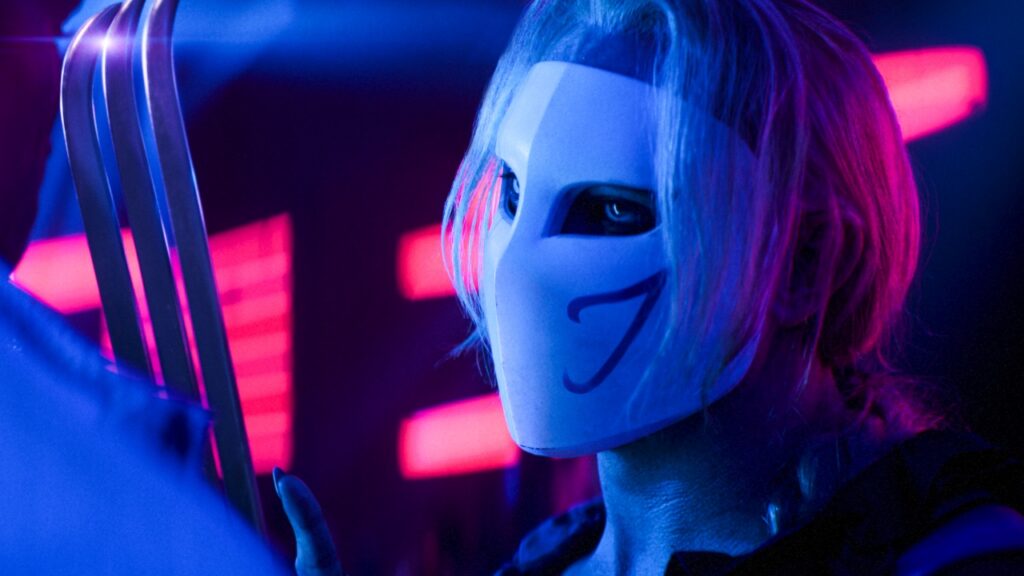
Orville Peck talks queer-coded villains, gay awakenings, and the deliciously flirty energy he and Cody Rhodes brought to Street Fighter.
At first glance, obvious camp factor aside, one might not assume that Street Fighter, the new action comedy based on the video game franchise of the same name, would be especially queer. But dig just an inch below the surface, and this movie has all the makings of a future queer favorite. There’s something so deeply queer about every frame of this film. From the costuming to the palpable tension between every character—regardless of gender—to the fights that feel more like aggressive flirting sessions. As I was watching it in all its winking and goofy glory, it occurred to me: This is what life would look like in a world where every single person is at least a Kinsey 3. A notion Orville Peck, the gay masked country singer turned masked villain Vega in the film, doesn’t dispute.
If anything, Peck thinks this is perfectly in line with the game that spawned the film, one that, growing up, was near and dear to his baby gay heart. “I think there’s always been something intrinsically queer about gaming in general. You know, like there’s so many queer gamers, and I think gaming has provided an escape for a lot of people,” he tells GO. “That was me. I would go home and play video games and feel like there was some release from that and a world I could kind of fall into.”
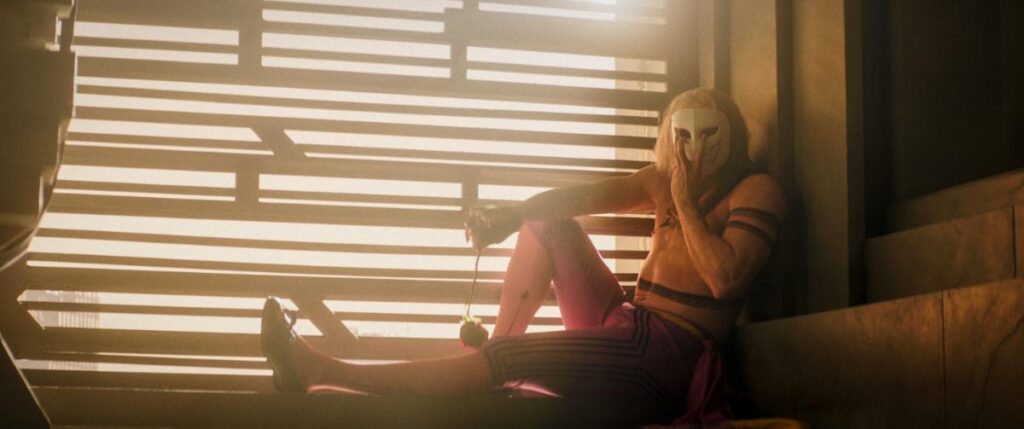
That spirit of escapism lives on in the film and, if anything, is only amplified, both through the passionate love-hate relationships between the characters, the playful nods to kink, and outright same-sex crushes. The film, which was directed by Kitao Sakurai, is set in 1993 (a year after Street Fighter II arrived in the U.S. on Super Nintendo) and follows estranged fighters Ryu (Andrew Koji) and Ken Masters (Noah Centineo), who, following a tragedy that tore their bromance apart, are pulled back together when they are recruited to fight in the next World Warrior Tournament, held by the mustache-twirling (and delightfully weird) M. Bison (David Dastmalchian). In addition to those three are a bevy of villains and heroes fighting alongside and against them.
Fighting for the baddies is, of course, Vega, a former nobleman and matador turned assassin who wears a mask to protect his beauty from the violence of the tournament ring. He is queer-coded and has long been beloved by gay gamers, making Peck’s casting perfection. What the film introduces, however, is his flirtatious dynamic with Guile, a military hero with an iconic high-and-tight fade, played in the film by pro wrestler (and proud LGBTQ+ ally) Cody Rhodes.
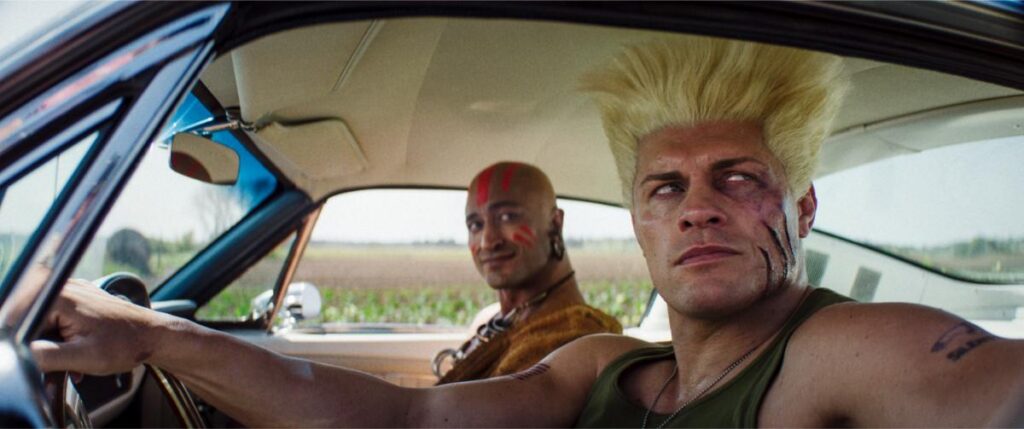
Peck credits the filmmakers for not shying away from Vega’s ambiguity, something he says not every studio would have done. “I have a lot of respect for Kitao Sakurai and [executive producer Cale Boyter] for casting an openly queer person in this movie and encouraging it to feel like there’s some queerness or ambiguity at least around Vega,” says Peck, explaining that it’s true to the character. “That’s kind of how he was always portrayed,” he says.
At a time when queerness on the screen is in decline, leaning into that portrayal was a welcome surprise. It’s one Peck sees as refreshing, but also concerning in terms of what it says about the industry writ large. “It’s not the way that every studio or director would have gone, truly, and that’s sad to say, but it should be recognized that they were very much on board with that,” he says.
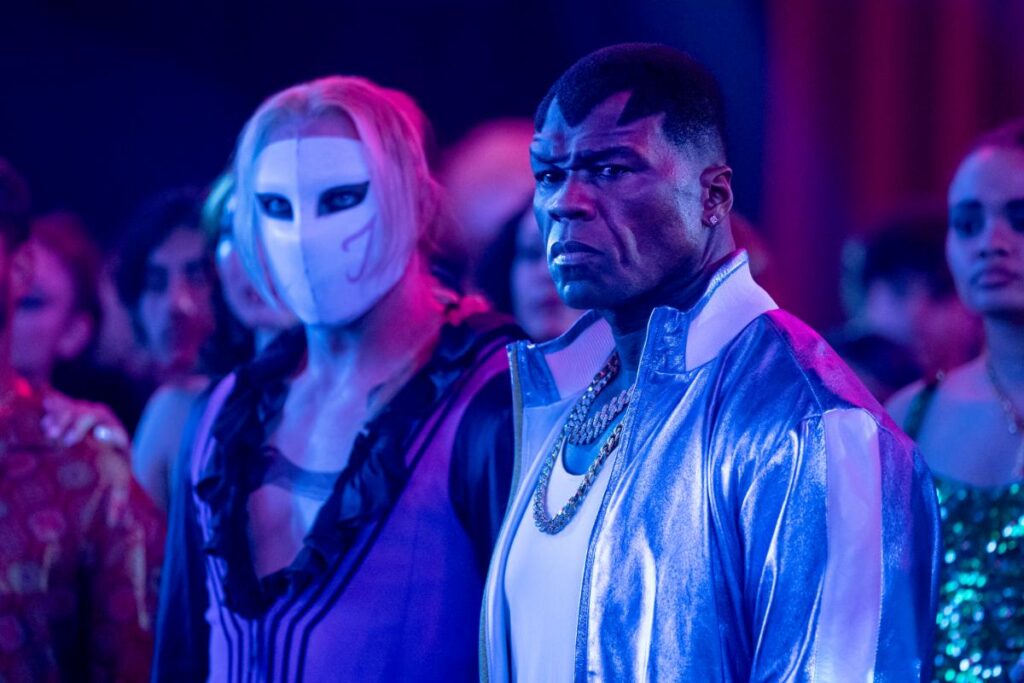
But it wasn’t just the director and the powers that be who introduced the textual queerness into the film. Peck also credits Rhodes, who began improvising their connection. “He would just throw things out, like improv all the time, and throw reactions out, and try different things,” Peck reveals. One of those things, Peck says, was a queer sexual awakening. “It was such a real life predicament he put himself in as this kind of like Mister America, who fought [in] many tours … and now suddenly he’s like looking at this like sexy, mysterious European man, and something inside his brain is kind of breaking, and he can’t figure out what that is.”
That dynamic continued to grow as shooting progressed, says Peck. “[Guile’s] intrigued and confused by Vega, and he started … almost subconsciously admitting things about Vega in these off one-offs.” Peck immediately picked up what Rhodes was putting down and leaned in. “I was like, oh my god, this is an amazing dynamic, and so I started playing into it,” he shares.
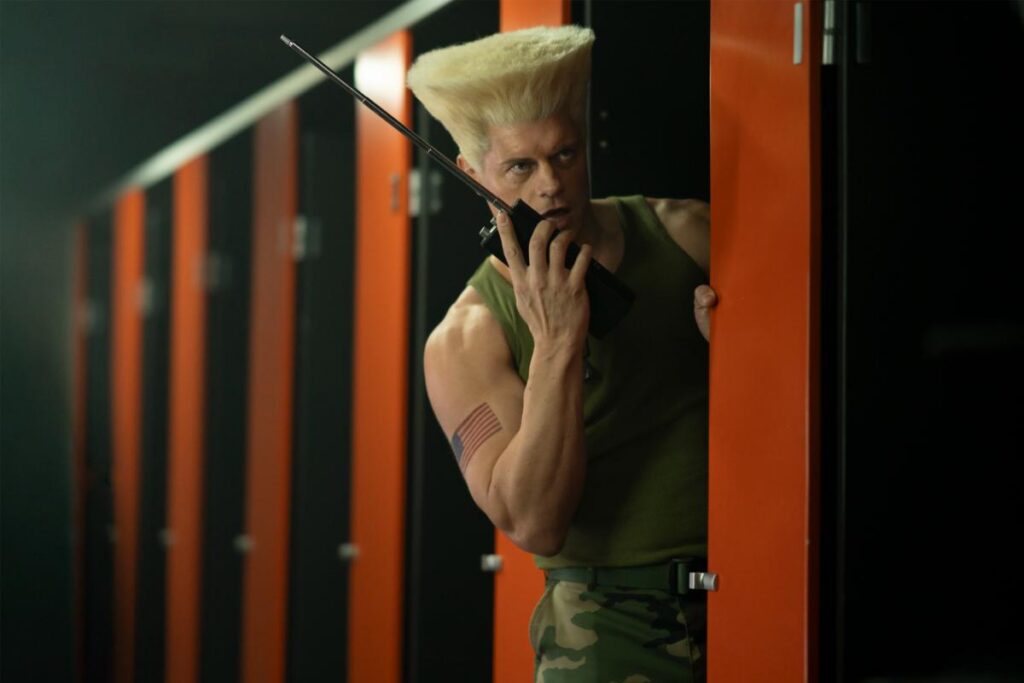
And the fun and silly flirtation continued, Peck recalls with a laugh. “I would see him and I would give him a little wave,” he says. “In another world, Guile’s having his, like, sexual awakening, but you know he’s too, like, rigid to allow it to fully happen in the movie, but it’s an amazing dynamic that Cody kind of played into.”
Best of all, it’s a friendship and a flirtation that has carried on after filming wrapped. “I actually became really close with Cody. I love Cody Rhodes. I’d take a bullet for that man. He’s just the most genuinely kind, upstanding guy,” gushes Peck. “I still flirt with him. I call him Papi and like text him all the time… we’ve carried that energy into real life.”
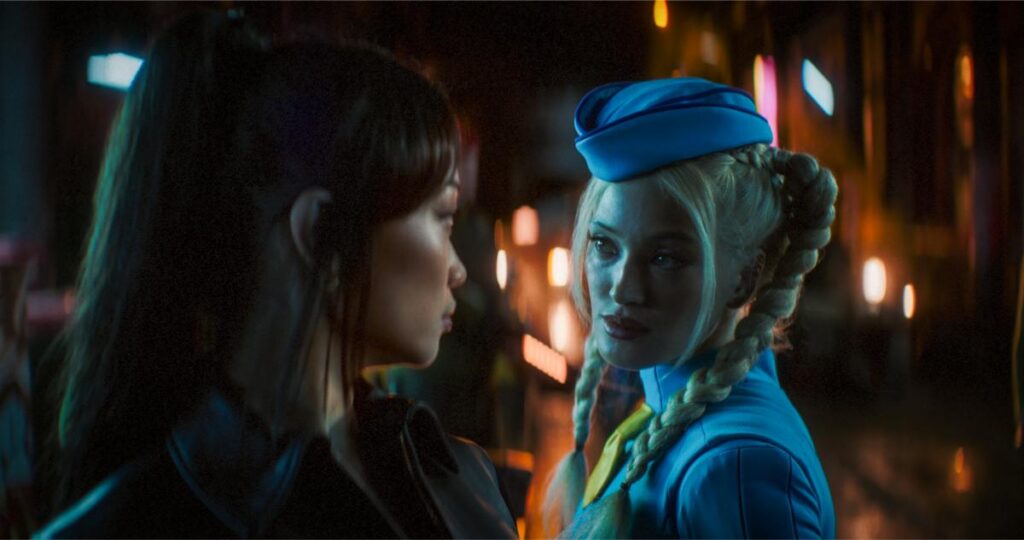
That playfulness and queer joy off camera are infused into what made it to the screen. The film feels like one plucked from the 1990s, full of campy costumes, playful dialogue, and a sky-high concept. What has been left in the past, however, is the casual homophobia of that era, the kicking down or disposability of queer characters. Here, queerness is intrinsic to what makes this movie so joyful. Just imagining all the baby gaymers sitting down to watch the flirtation between Guile and Vega, or the big, tearful, and openly, physically affectionate relationship between Ryu and Ken, or the incredibly hot and cracklingly sexual tension and rivalry between Chun-Li (Callina liang) and Cammy (Mel Jarnson), makes it impossible not to feel how meaningful and affirming that escapism will be for them.