

After Republicans’ Anti-DEI Crackdown, What Happened to the Companies That Kept Their Diversity Programs?
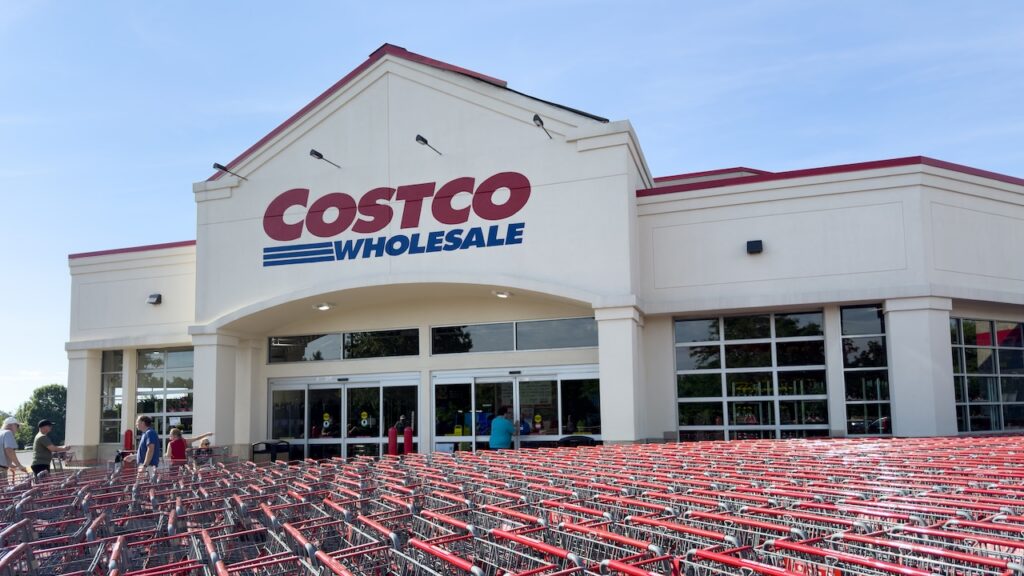
New research shows how companies like Costco, Apple, and others weathered the storm of those conservative campaigns.
New research published Friday sheds light on what happened to companies that didn’t scale back their DEI programs in the backlash against DEI programs at some major U.S. companies.
McDonald’s, Walmart, Target, and a host of other big companies announced the end of their DEI policies and initiatives starting a couple of years ago as conservatives raged against anything including DEI. From the far-right going after Dylan Mulvaney and Bud Light to Target taking down Pride Month merchandise, the movement affected products but also internal programs meant to support employees from minority backgrounds.
But the new research, shared exclusively with The Guardian, found that companies such as Costco, Apple, and Delta Air Lines performed just as well as those other companies that decided to side with the far-right.
Jacob Grumbach, an associate professor at the University of California at Berkeley’s Goldman School of Public Policy, analyzed how S&P 500 companies performed after January 2025, when President Donald Trump used executive orders to target companies still supporting DEI. He found that whether or not a company cut its DEI programs didn’t make any impact, according to The Guardian.
So businesses that maintained their DEI commitments did about as well as those that pulled back, which suggests the market didn’t specifically penalize companies for sticking with diversity and equity policies.
“No matter how we measure DEI in companies, we find the same answer,” Grumbach told The Guardian: If a company continued with its DEI promises, there was no impact on financial performance.
Grumbach told the paper that the study shows that companies can also resist authoritarian policies.
“What happens when you don’t comply with that executive branch pressure in a moment of great fear in these civil society organizations?” he said. “This shows that large US corporations really do have leeway and the ability to sort of do noncompliance to executive branch pressure and end up fine.”