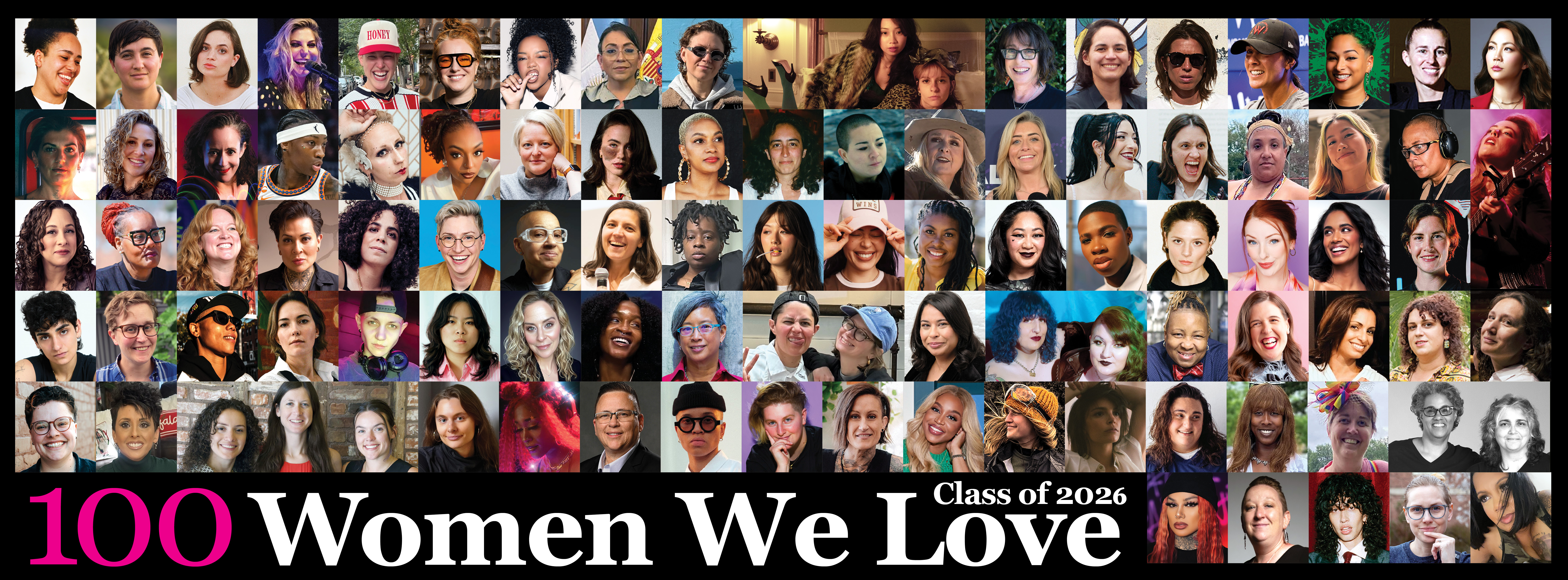


100 Women We Love 2011
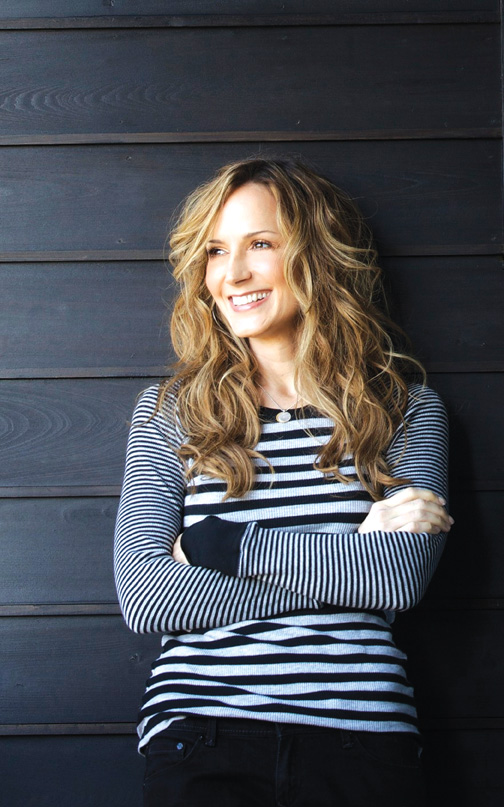
It’s been a whirlwind year for Chely Wright. The award-winning country artist and songwriter stunned the conservative country music world by coming out in 2010, a difficult and life-changing decision she detailed in her 2011 autobiography, Like Me. She also released her critically-acclaimed seventh album, Lifted Off the Ground, a tour-de-force more than five emotionally-grueling years in the making. The documentary film, Wish Me Away, chronicles her journey from preparation to aftermath of her decision to come out to Nashville, her hometown, and within the LGBT community, will make its world premiere at the Los Angeles Film Festival this summer. Her soul-searching, however, has been worth it: The newly-minted LGBT role model serves as the national spokesperson for the Gay, Lesbian and Straight Education Network (GLSEN) and speaks out against school bullying. Wright believes “that to whom much is given, much is required. I have lived a very blessed life and I know what it feels like to achieve goals. I want to do my part in helping others have as many opportunities to have milestones in their lives too.” –KL
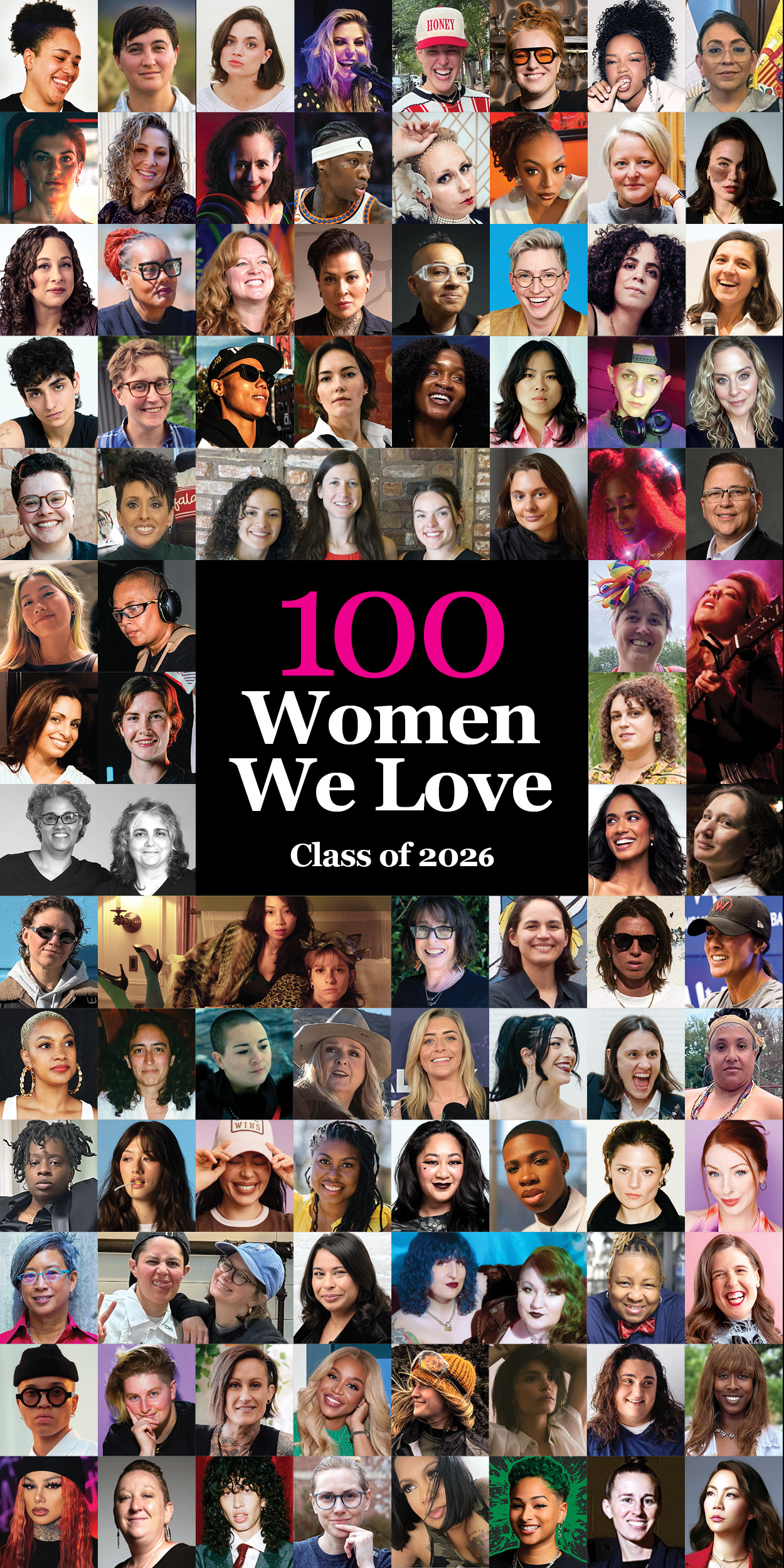
The 100 Women We Love – out artists, elected officials, business leaders, athletes, community activists – are role models for us all. Many are up-and-coming movers and shakers; some are at the zenith of their careers. Some of their achievements change our world and, just as importantly, others improve the world’s perception of out women. They all strive tirelessly to increase our visibility and continue our incredible progress toward equality and justice.
We proudly present the class of 2011, in random order, so each gets her well-deserved turn in the spotlight.

B. COLE
At the ripe young age of 21, B. Cole landed a job many people far older than she can only dream of: She worked in the White House, directing leadership development programming for the Harry S. Truman Foundation. And she didn’t stop there. As the founder of the Brown Boi Project, Cole today travels worldwide as a consultant on issues of leadership development and economic opportunity. The project brings together queer and straight people of color who fall along the masculine spectrum to work toward racial and gender justice. “As a community, we often have to make space just to exist,” says Cole, who coined the term “masculine of center.” “The Brown Boi Project is building a visionary future in which young LGBT leaders of color are woven together, creating a tidal wave of change. Their leadership will transform society and make it easier for each of us to live full, vibrant and equal lives.” –SJ