

‘King of Drag’s Twinka Masala Is Calling for a Drag Revolution (Exclusive)
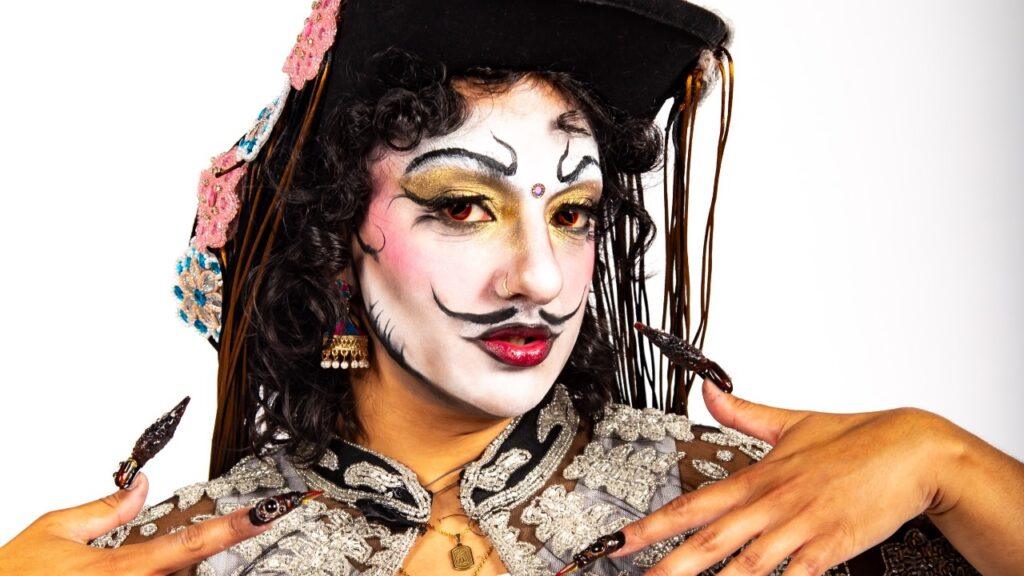
The King of Drag star is challenging gender expectations, turning grief into art, and building community one fabulous performance at a time.
Twinka Masala was born in lockdown. It was during the pandemic that the now Chicago-based artist began performing in virtual shows before venturing out onto the stages of Los Angeles. It was there that they first began exploring their drag persona, but it would be a journey of discovery before they would become the “twink in the sheets, existential crisis on stage” that we would come to know in season two of King of Drag. “Twinka … was very hypermasculine in the beginning — not even a lash was on,” they tell GO. “It was just like, ‘I’m trying to look like a guy,’ and now it’s like, ‘I’m just trying to look like whatever gender I’m feeling that day.’”
Some of that freedom of creativity and expression, the trans artist says, came when they began transitioning. “I definitely was grieving a lot of South Asian womanhood. The long hair and the makeup; glamor is very big in South Asian womanhood,” they recall. “I was very femme, so I started missing a lot of that … but it didn’t really work in my everyday life. It only really works for the stage, or when I’m Twinka.” It was discovering this duality that led to the realization that drag kings can be whatever they want. They can be hyper-masc or gender f*ck; it’s all about personal expression. “Kings can be whatever’s making them heal and feel good in themselves,” they say.
For Twinka, that healing looks like “a nice, nice man, but also gets kind of crazy on the stage. Like, gets up on the bar, just does whatever he wants. There’s sometimes a lot of chaos. There’s usually a lot of chaos,” they joke.
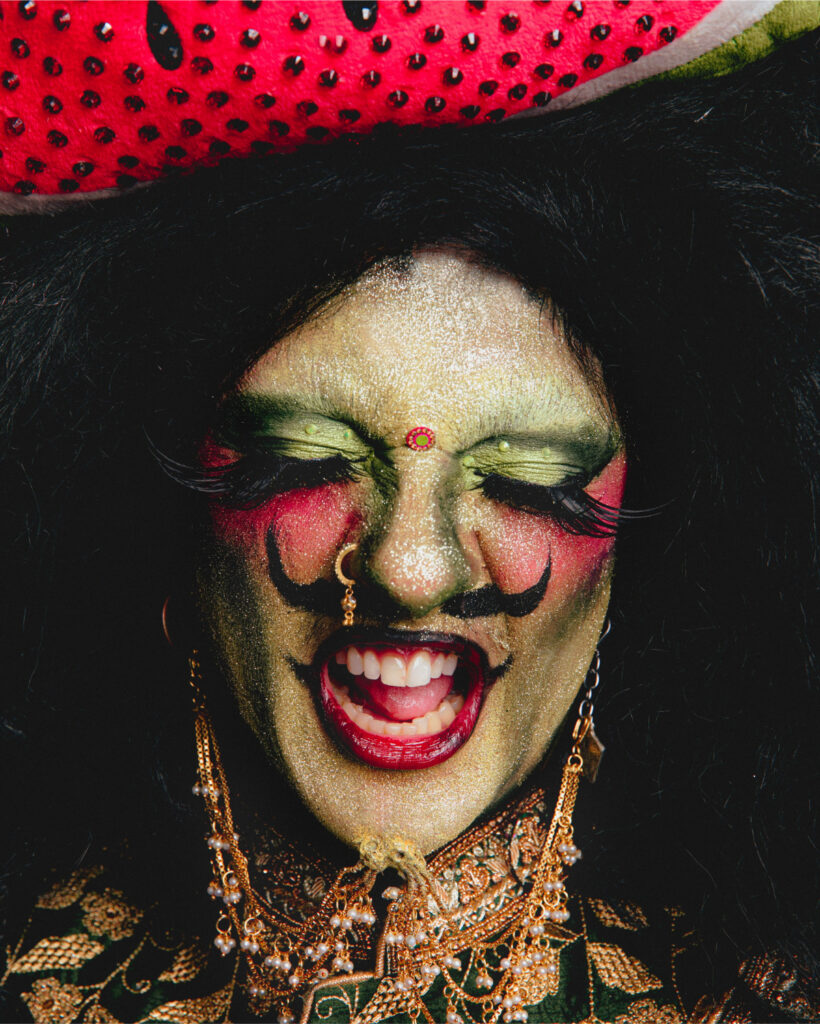
It was this representation and lived experience that Twinka was determined to bring to living rooms across the world by way of King of Drag’s Man Cave and main stage. “I had done so much with my career at that point. I had traveled, I went on a tour. I was starting to go to different cities, and I was like, ‘I want to go bigger, and I just feel more confident in my message and my aesthetic now,” they explain.
The opportunity to apply also coincided with another important transition in Twinka’s life: their move from the West Coast to Chicago and a whole new scene that the artist, who admits they are quite shy out of drag, was struggling to find a home in.
This was their chance to not only show the world their art but to grow their community, and it worked. “It’s been hard for me to meet kings in my new city. But through the show, I’ve been able to connect with more people, and it’s been really helpful,” they say.
And they were ushered into the family by two familiar faces. Twinka recalls that when they got the Zoom call that would change their life, it was hosted by King of Drag season one stars Tuna Melt and Pressure K. When they arrived on screen, Twinka said they knew they were about to get great news. “It was just like a very euphoric moment,” they recall. “I just danced around my apartment. I was just so excited and happy, and I was just like, ‘I freaking made it!’ I’ve put so much into my art, and it just felt really nice to be recognized and chosen … and then it hit me. I was like, ‘F*ck! I have to get like my whole package together!’”
The competition would push Twinka outside their artistic comfort zone, something they look back on with gratitude. But more valuable, they say, were the relationships with their King of Drag brothers they walked away from the show with.
“This was my first drag competition ever. I was like, I’m just gonna do the hardest one,” Twinka jokes. “I did get advice from other drag artists who have done competitions, and they told me you’re going to really grow as a person and as an artist, and that’s definitely happened.”
But it also gave them something even more valuable: the relationships with fellow drag kings that formed in the Man Cave. They recall how that bond really started to form around the time they were filming the Dong Show episode. “That’s when we all were really warming up to one another, and even though I was in the bottom that week — which I don’t think I should have been in the bottom; I was, and I’ll stand on that — backstage, we were laughing the entire time with each other, and just like goofing around, and … making each other laugh,” Twinka remembers.
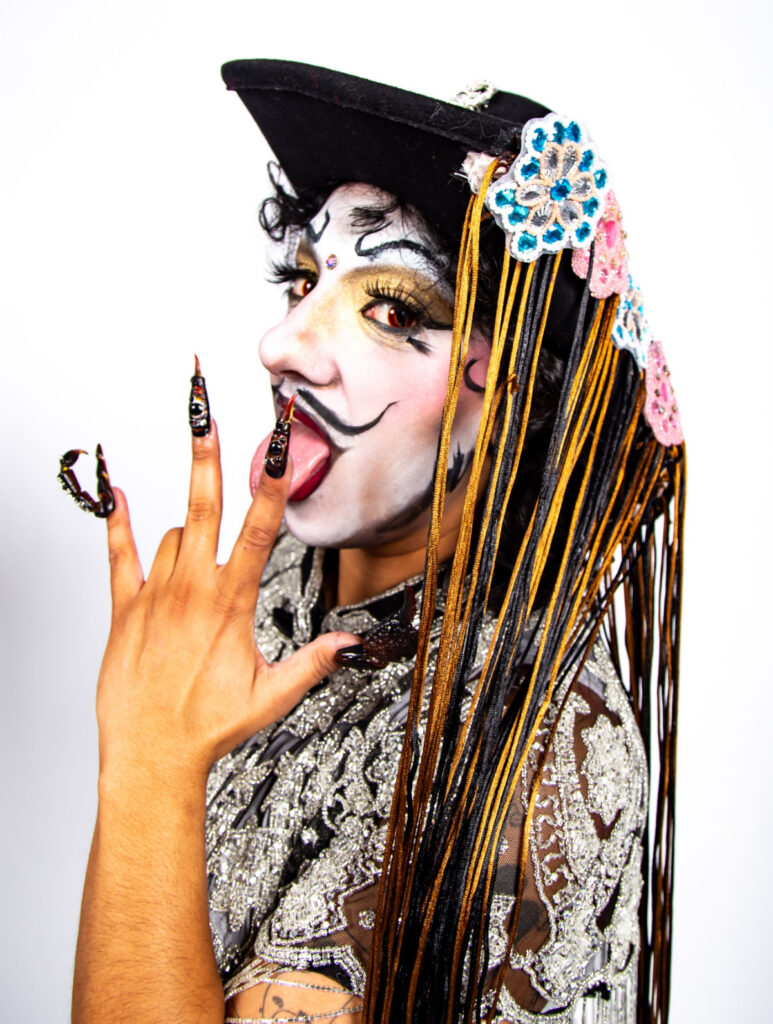
They recall how, even when they were eliminated after the challenge, it was that brotherly connection that kept them going. “When a king gets eliminated, [production] will offer that king a separate ride home so that the king doesn’t have to be in the same car as all the people that are going to the next week because, like, their energy is going to be a little bit more giddy, you know?” they explain. “But for my elimination, I was like, ‘I actually think it’ll make me feel better to be with them as opposed to like going home alone in a car,’ because at that point in the competition … I would rather be around my brothers as opposed to being alone. So I think that’s a testament to how close we got and how much support we gave to each other.”
It also lessened the blow of the elimination that Twinka got to leave on such a meaningful note, speaking passionately and hilariously about why the judges, and more broadly the audience, should join their drag movement. It was a perfect encapsulation of Twinka’s art, which is so intrinsically linked with their revolutionary politics. And their double elimination alongside Cyrus K. Stratton meant that they weren’t going through any of it alone. “That final challenge that was so vulnerable, like being able to share that moment together — I felt like I had said everything I wanted to say in that moment, and it felt really good to just have that off my chest. And from what I’m hearing from Cyrus, I think he felt the same way too.”
For Twinka, those revelations continued after the cameras went down, too, when they had the opportunity to watch the show and see themselves from a uniquely outside perspective. In some ways, they were surprised by what they saw and just how much of their performances drew from their personal grief and the political realities facing queer communities.
“Something that I didn’t really plan on talking a whole lot about was the grief aspect … I was like, I really do use my art to make sense of a lot of painful things, like grief, death, loss of any kind,” they say. “I kind of knew, but I never really saw it happening in front of me … I created this … from so many different parts of my life, my religious upbringing, my culture, and the grief that I’ve been experiencing the last five or six years. So it was a bit intense, watching it in real time, but also I’m kind of grateful because I’m learning how I make sense of the world through art, which is, I think, a beautiful thing.”
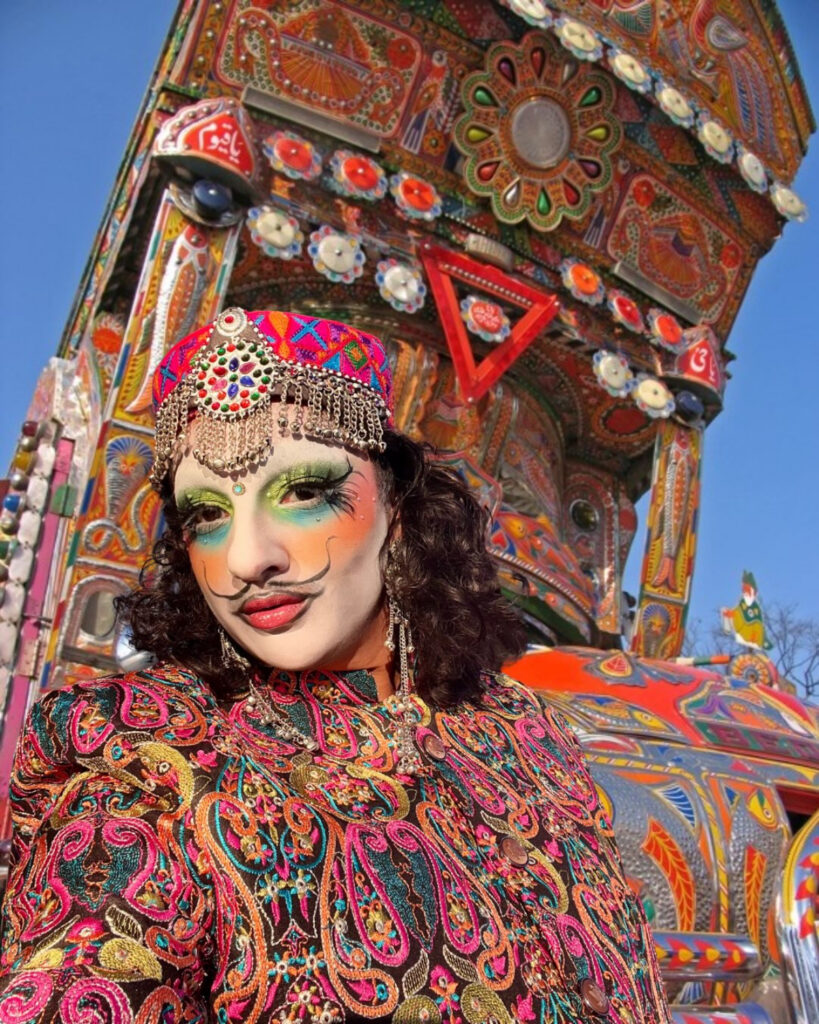
And it’s allowed them to connect with others in a new and powerful way. They say they get messages daily from queer and trans folks around the world, from South East Asia to South Africa, thanking them for sharing their story. “That is the part of it that really lights me up, being able to connect with other people,” they say. “A lot of people have been messaging me about their family stuff because I talk a lot about that on the show, my struggle with my bio fam, and I think it’s just been helping me feel less alone in all of that.”
That willingness to be vulnerable has consequences beyond the stage. Through the show, Twinka has begun setting boundaries with family members and embracing an artistic identity that doesn’t require them to choose between masculinity and femininity. “My one sister, she’s like my biggest ally. She’s been obsessed with the show and likes buying everyone’s merch. Like it’s really cute,” says Twinka. “I don’t know if anybody else in my family has seen it or knows about it, but it might also be one of those things where … we don’t acknowledge the elephant in the room.”
Twinka expects the topic will eventually come up when they return home, but they feel armed with a new kind of confidence going into those conversations. “It’s finally given me the confidence to just sort of be like, ‘this is who I am, and this is so real that it’s like gotten me on the biggest stage for drag kings. This isn’t a phase,” they say, adding, “For the first time ever, I actually set boundaries with people in my family, and distanced myself from people that are homophobic and transphobic. And I think it’s the show, and also just like the support that I’ve gotten from people, and like, yeah, I think I’m just sort of like, ‘Fuck you!’”
That same attitude is helping them launch into the next phase of their career, which has included watch parties where they can connect with their drag community in Chicago, their brothers from the show, and a whole new audience of fans. And they are ready to take that global.
With the competition behind them, Twinka is thinking bigger. They’re eager to bring more of their South Asian heritage to the stage, travel to learn from other drag communities, and use their growing platform to connect artists and audiences who might otherwise remain isolated from one another.
“It’s already been happening … I’m doing a big queer South Asian show in Boston next month … because they saw the show. I definitely want to travel and go to different cities and perform, and learn about different scenes and see how they do things,” they share.
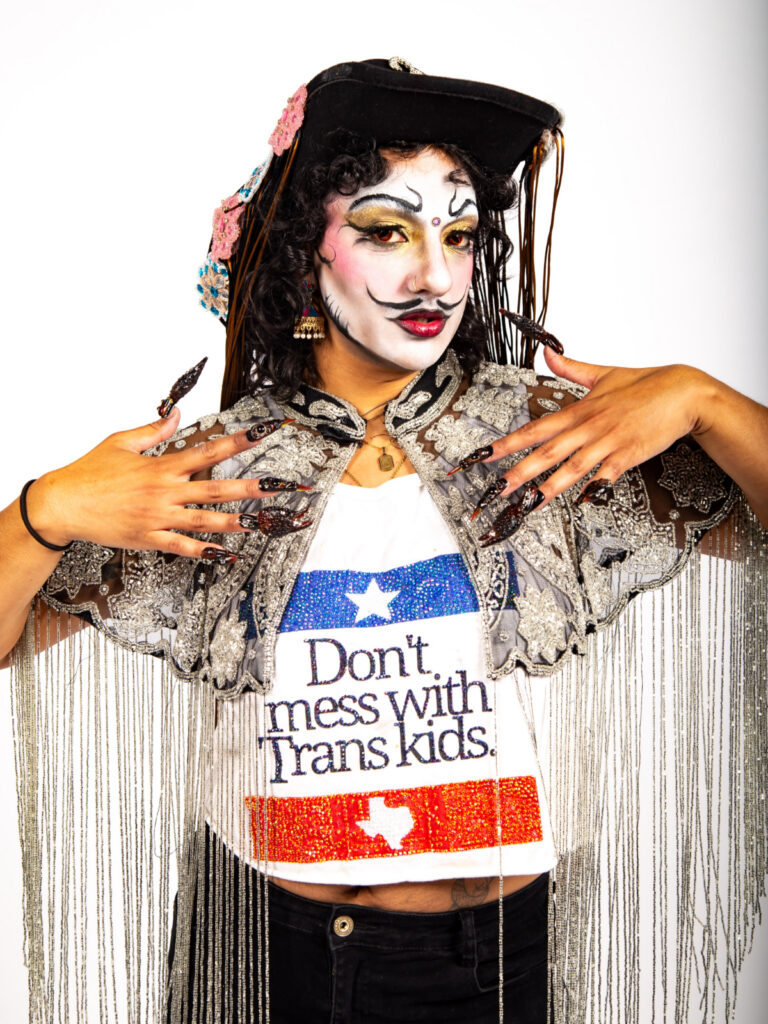
Twinka admits this won’t be without its challenges, as drag kings are still having to fight hard to occupy the same stages and book the same gigs as their queen counterparts. But the joke’s on them, because it only makes the kings stronger. “We have to fight so much harder to get gigs and get paid. We have to be more versatile and give more range than I think the traditional drag artist has to do … and I think people have been picking up on it,” they explain.
But if there is one thing Twinka has never done, it’s back down from a fight, and they hope that they inspire the audience to do the same, particularly in this moment when queer and trans folks have been targeted by the right, and, importantly, to not let infighting within our community lead to even greater vulnerability. “I would just encourage people to start mobilizing and organizing, and I just wish people would stop fighting with each other about dumb stuff, and use that energy to defeat the right,” they say. “There’s been a lot of inner conflict within our communities, and while conflict is essential, I think we’re sort of losing the plot a little bit. It’s a tough time, and I just want people to know that we are capable of changing what’s happening.”
For Twinka, drag has always been about more than performance. It’s about survival, solidarity, and the possibility of a different world. And the drag revolution isn’t coming; it’s already here.