

At The Helm: 23 LGBTQ+ Leaders
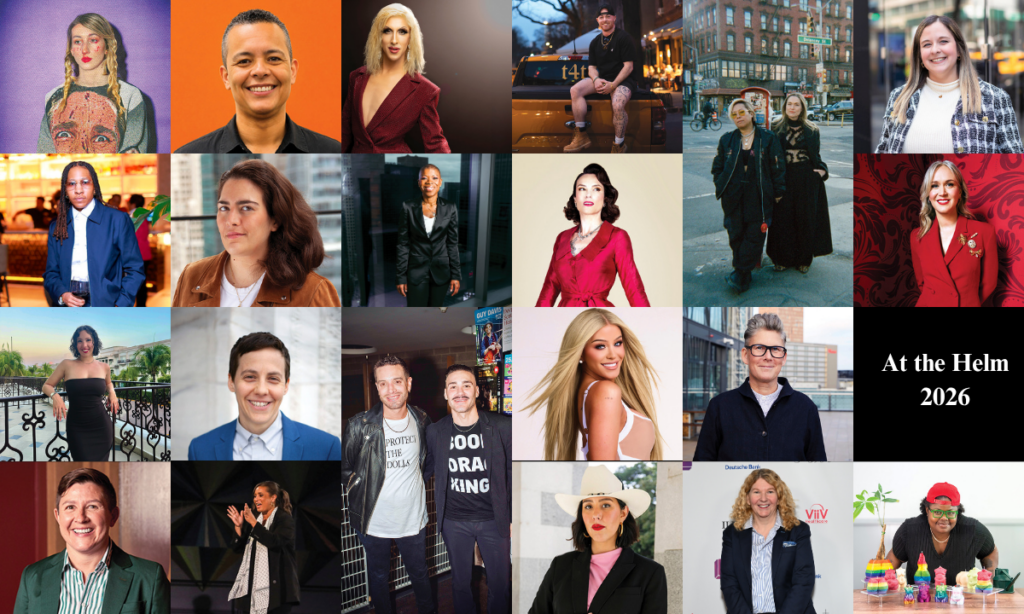
Representation matters, everywhere. Seeing queer people in the rooms where decisions are made, ideas are born, and agendas are formed is not only inspiring; it’s a strategy for survival. As LGBTQ+ people face increasingly treacherous times, these leaders are holding the line and blazing new trails while sustaining the movements of today and shaping a better future.
This year’s At The Helm profiles feature 23 visionaries from across the spectrum of our rainbow family who are shaping culture from positions of leadership, whether in the boardroom, holding the camera, onstage, from the dais, or at the counter of their own businesses.
Their work is not simply about visibility or representation; it is about impact, tenacity, and the vision to create a brighter, more inclusive world while paving the way for the queer entrepreneurs and changemakers of the future.
Alice Maio Mackay
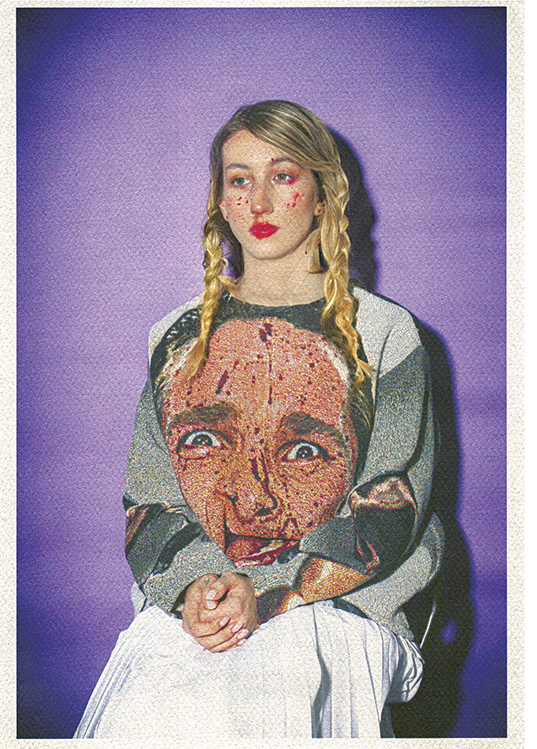
At only 22 years old, trans filmmaker Alice Maio Mackay has set the indie horror world on fire. Mackay has already directed seven feature-length films, starting with So Vam, which she shot when she was just 16. As a director, Mackay loves to explore friendship and found family in the low-budget queer indie horror films she creates. The films are not just entertaining—though they certainly are—but they also function as what Mackay calls “empathy machines” that can open people’s minds to experiences they might not understand otherwise. “It’s like you can escape into these other worlds while still gaining emotional intelligence and tapping into other worlds,” Mackay says. While she says she doesn’t set out to make political films, by featuring trans and nonbinary actors and telling queer stories, Mackay is changing the landscape of horror films one movie at a time. “Being trans or queer in this world is kind of inherently political, and I don’t think there’s really a way to avoid that, especially if you’re talking about everyday life,” she says. In an industry long dominated by cisgender white men, Mackay says she wants to see more filmmakers with marginalized identities given the budgets to make “inclusive and representative” films that are “outside the traditional kind of indie film boy kind of world.”— AMR
Kelly Moffat
Frustration with “overly frilly women’s wear and ill-fitting menswear” pushed Kelly Moffat to help co-found Kirrin Finch, an apparel brand designed to allow people to express their authentic selves. Moffat and co-founder Laura Moffat didn’t have a background in fashion, but they didn’t let that stop them. What started with a Kickstarter and a solution for button-up shirts has grown into an e-commerce company with customers from all over the world. Today, the fashion line includes everything from formal wear to business suits and everyday shirts. Her goal for Kirrin Finch is for it to be “the place where folks shop when they are looking for clothing options that sit outside the binary, especially ready-to-wear suiting.” Moffat says, “The most rewarding aspect of the work is experiencing the moment when someone puts on something truly made for them and seeing them light up. I have a particular soft spot for when a parent brings their child in for a fitting in our Brooklyn-based showroom, and we get to experience the love and support firsthand.” On top of being size-inclusive, with clothes ranging in sizes from XS to 5XL, Kirrin Finch has a strong social-giveback mission that includes volunteering, in-kind donations, and financial support for LGBTQ+ organizations, businesses, and events. But Moffat’s commitment to the community expands beyond Kirrin Finch. Currently, she serves on the national board of the Human Rights Campaign and is the HRC Greater New York co-chair. — SS
Jess Brownell
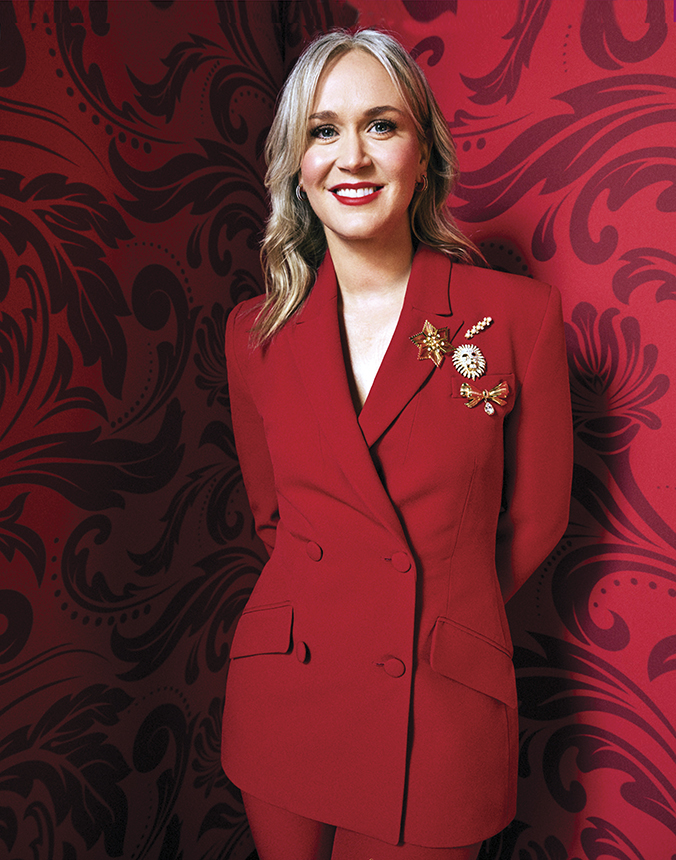
Jess Brownell has spent the last 15 years working at Shonda Rhimes’ production company, Shondaland, where she has been a driving force behind expanding queer representation and inclusive storylines. “I have a very queer writers room,” she shares. “For season five of Bridgerton, in which we’re telling a love story between two women, it was so valuable having the insight of writers with diverse life experiences. Everyone contributed so much of their heart and soul to the season.” Brownell has had an impressive career as a queer woman in Hollywood. She went from working as an assistant on Scandal to becoming a writer on the very same show. Brownell kept pushing forward, and soon she was earning an Emmy nomination for her work on the miniseries Inventing Anna before becoming the showrunner on Bridgerton for the third, fourth, and fifth seasons of the hit Netflix show. After breaking through the glass ceiling in Hollywood, Brownell didn’t pull the ladder up behind her; instead, she started mentoring young artists and gave opportunities to her support staff to become screenwriters themselves. Brownell credits her own success to the people in her life who embody queer pride and joy. “I try to emulate those people now—to pay it forward by expressing myself creatively (and always making my wife hold my hand in public!),” she says. — AMR
Anita Dolce Vita
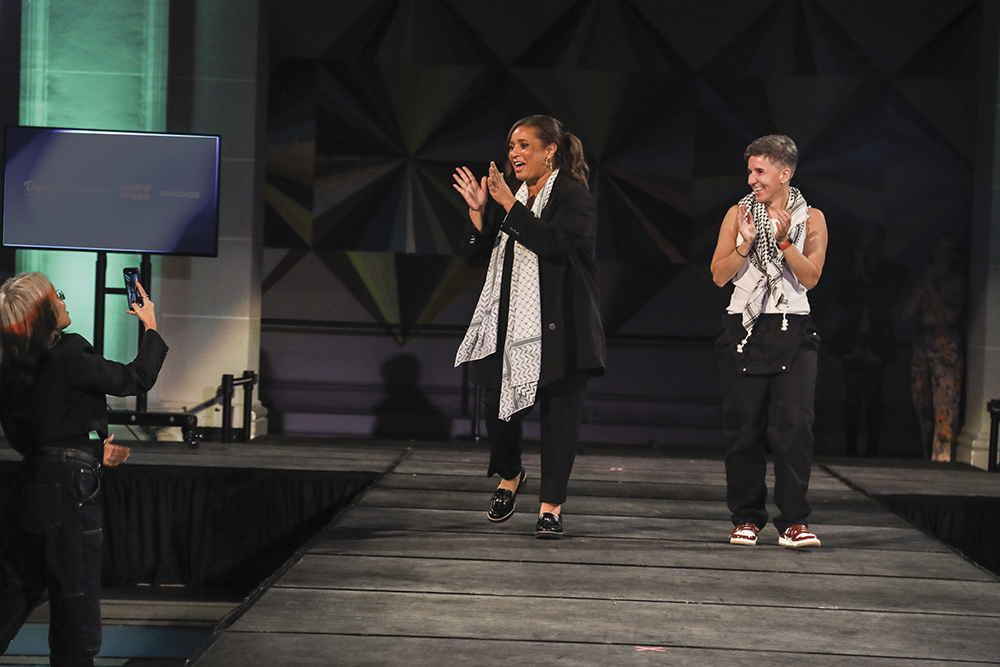
“I never set out to build a media company,” Anita Dolce Vita says, but that’s what she did. Dolce Vita, owner and editor-in-chief of queer style website dapperQ, has made a career of staging some of the largest queer fashion shows in the United States, including those at the Brooklyn Museum and the Institute of Contemporary Art in Boston, and has been a returning panelist at SXSW. She is a speaker, producer, and consultant focusing on LGBTQ+ entertainment and fashion, and the author of dapperQ Style: Ungendering Fashion. Her path to fashion started in an unlikely place. “I’ve worked as a research nurse, and balancing science with creative work has profoundly shaped how I approach leadership,” Dolce Vita shares. “Research taught me to ask questions…while fashion taught me that art and identity can be just as transformative as medicine.” At dapperQ, Dolce Vita has continued to live within the intersection of those two practices. “When I became involved with dapperQ, I saw the opportunity to shape it into something much bigger than a personal style blog,” she recalls. “What started out a decade ago as a personal blog focusing on masculine style, dapperQ has since expanded into a multi-platform brand that includes panels, fashion shows, and the celebration of the full spectrum of queer style.” She’s not done yet. “I’d love to see queer fashion recognized as an enduring artistic movement rather than a seasonal trend, with LGBTQ+ creators leading that conversation instead of simply inspiring it from the margins.” — RS
Camille Zapata
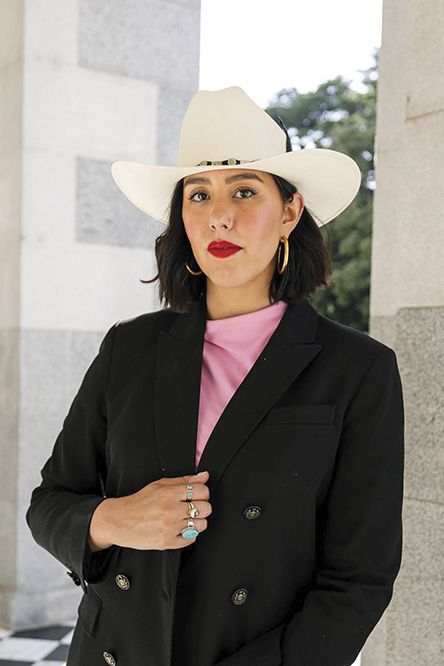
For Camille Zapata, the power of politics has been evident for as long as she can remember. She recalls seeing firsthand how inequality in investment and the legacy of practices like redlining shaped her hometown of Stockton, Calif. From a young age, the queer Chicana-Boricua knew she wanted to help shape the narratives that become policies, so she bought a camera, learned Photoshop, and got to work. “I saw early on in my career that women and people of color and queer people are often not authentically represented or even positively represented, and I started understanding that media has such powerful control of perception of who’s important, of who’s worthy of leadership positions, of who is credible,” she recalls. “I ultimately got into this work so that I can support women and queer people in running for office and building public influence in the way that they deserve, frankly.” Today, Zapata serves as the digital director for California Gov. Gavin Newsom, where she leads a team shaping an online strategy that frequently goes viral for fighting fire with fire and clapping back with humor and style. “It’s super humbling, but it’s also incredibly empowering to know that the work that the governor and the governor’s office has done is creating hope.” She adds, “I hope to continue to inspire women and girls and queer people to know that they can do big things and that our leadership is so deeply needed because it can help shape such important moments.” — RS
Jess Braverman
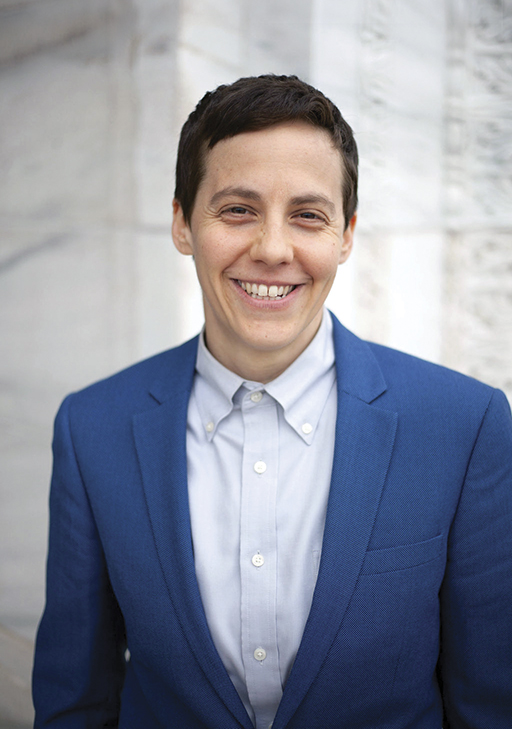
Today, Jess Braverman is the legal director at Gender Justice in Minnesota, where she fights daily for the rights of women, queer, and trans people—and wins. But her road to get there started in a surprising place. “Before I became a lawyer, I had summer jobs driving the monorail at the Bronx Zoo, running kiddie rides at Coney Island, and selling burgers at Orchard Beach.” Now she’s advancing gender equity one legal decision at a time. Braverman was a part of the team that won a case on behalf of a transgender powerlifter, obtained access to gender-affirming care for an incarcerated trans woman, and was able to expand abortion access after the fall of Roe v. Wade by successfully challenging the constitutionality of most of Minnesota’s abortion restrictions. But she sees the real heroism in the people she represents. “People don’t realize how hard it is to be a plaintiff in an impact litigation case. This is especially true for people whose existence is heavily politicized,” she explains. “Our clients don’t want their personal lives to be public. They want to do…mundane things that many people take for granted, like…have their constitutional rights respected by the government.” She adds, “I am proud to be part of a team working to pass the Equal Rights Amendment in our state constitution that is expressly inclusive of LGBTQ+ people and reproductive health care.” — RS
Stacy Lentz
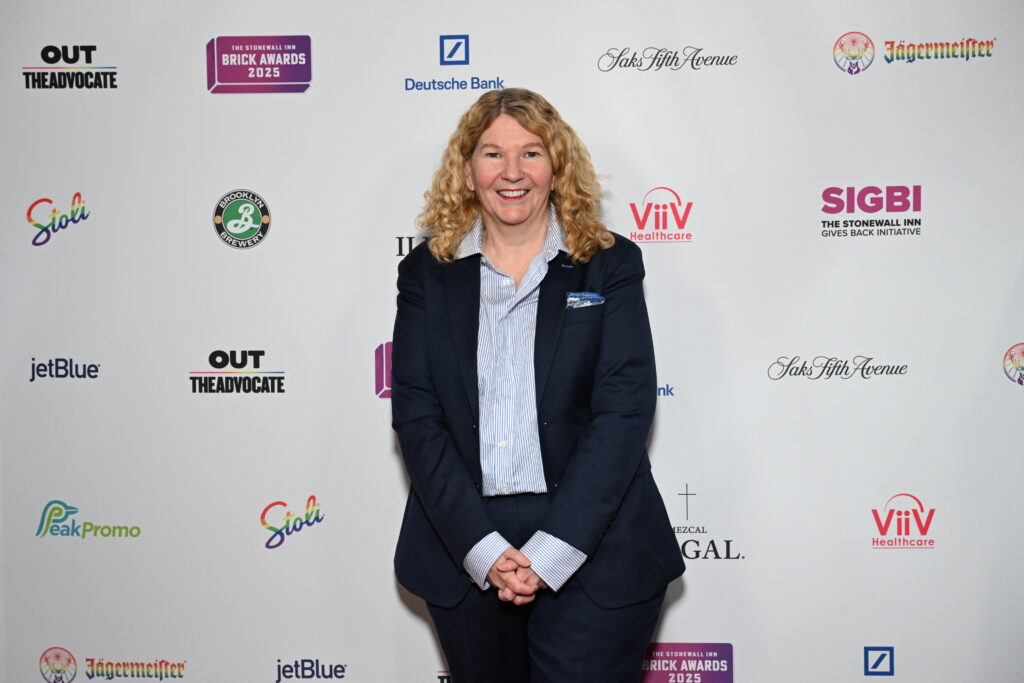
The Stonewall Inn has been a beacon of hope, resistance, and perseverance for the global LGBTQ+ community for decades. One of the biggest reasons for its resilience is Stacy Lentz. As the co-owner of the Stonewall Inn and co-founder and CEO of the Stonewall Inn Gives Back Initiative, Lentz has stewarded the historic landmark, led the Safe Spaces certification program, supported organizations serving underserved LGBTQ+ communities, and helped elevate advocates and allies driving meaningful change. “The most rewarding part of my work is seeing someone find hope, sometimes for the first time, and begin to believe that they can love who they love and live fully as their authentic self,” Lentz says. “Whether we are supporting a grassroots organization, recognizing a young activist, or helping a business become a genuinely safer space, I get to see an idea become tangible safety and possibility for another person.” As continued attacks on the LGBTQ+ community threaten historic sites like Stonewall, Lentz remains dedicated to protecting and creating spaces that encourage community. “My vision is to help expand the circle of belonging. We are living through a moment of tremendous division, and I believe the next chapter of leadership must be about finding the courage to move beyond echo chambers, rebuild trust, and invite more people into the work of equality,” she says. “I want Stonewall’s legacy to remind the world not only what we have survived, but what we can still build together.”— AT
Gretchen “Gertie” Hirsch
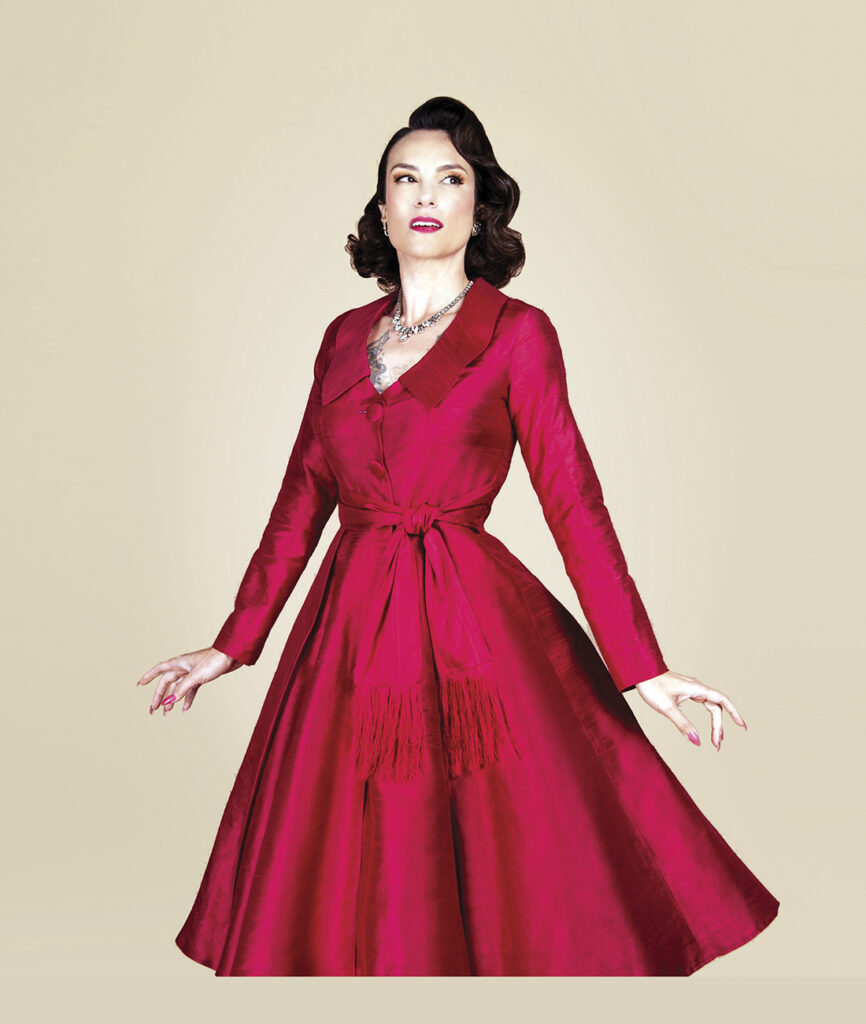
For Gretchen Hirsch, who has spent nearly the last two decades making vintage fashion accessible with her sewing patterns, the most rewarding part of her work has been “creating a progressive, queer-positive, body-positive, accessible, and inclusive” community that aligns with her values. “Seeing drag queens use my patterns alongside queer femmes sewing for their masculine-of-center partners makes me feel like I’ve shaped the community I always dreamed of building,” Hirsch says. Known as “Gertie” by the sewing community, Hirsch launched “Gertie’s New Blog for Better Sewing” in 2009 and has continued to create size-inclusive home sewing patterns that look like designs from the ’40s and ’50s but represent her modern values. Hirsch says that “boundary-pushing, campy displays of femininity” like Elvira, Miss Yvonne from Pee-wee’s Playhouse, or Cindy Crawford straddling k.d. lang in Vanity Fair, shaped the way she understands glamour. “I think that’s part of why ’50s glamour resonates with me the way it does—that exaggerated hourglass silhouette was already its own kind of camp,” she says. “Melding that vintage drama with a queer sensibility feels like the most honest way I know how to design.” Hirsch says she has “always been drawn to subversive takes on femininity,” and she’s tried to imbue her work with that ideal throughout her career, from the seven books she’s authored to her beloved sewing patterns and the workshops she’s led around the world. — AMR
Sarah Moore
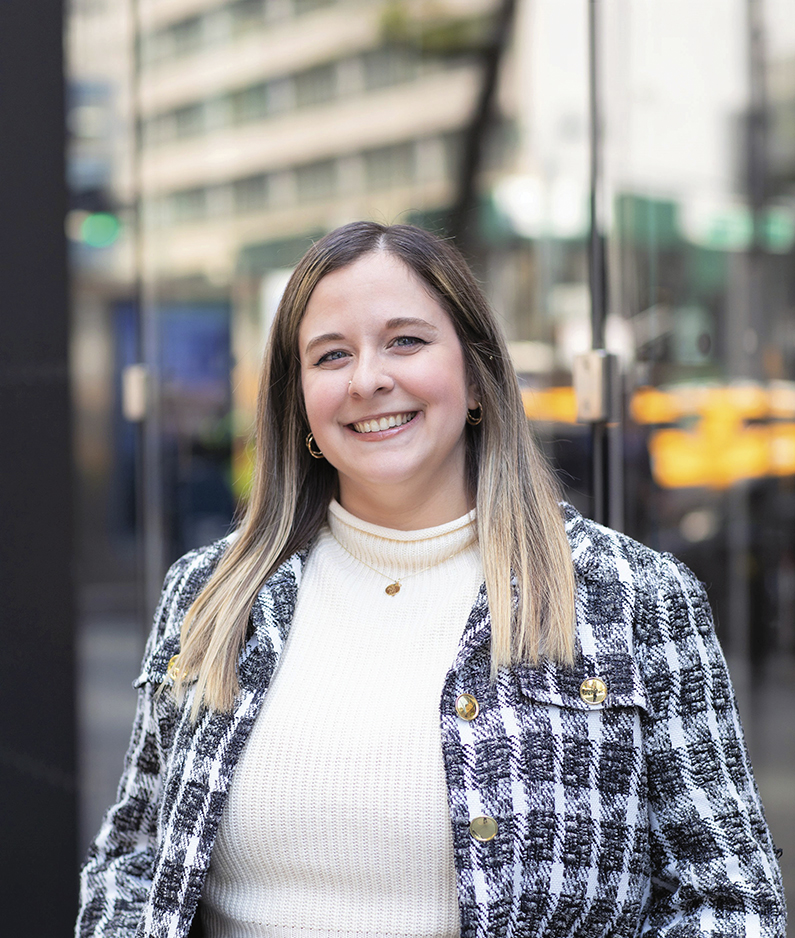
When Sarah Moore got her start in counter-extremism research, she grappled with how she could embrace her queerness while working in a straight, male culture. When GLAAD, the world’s largest LGBTQ+ media advocacy group, created a role to fight anti-LGBTQ+ hate, she jumped at the chance. “It was a once-in-a-lifetime opportunity for me to use my professional skills to work with, and for, my community every day,” Moore says. At GLAAD, Moore launched the Anti-LGBTQ Extremism Reporting Tracker (ALERT Desk), the first-ever comprehensive database tracking acts of anti-LGBTQ+ hate and extremism in the U.S. Since 2024, Moore and the ALERT Desk have been featured in outlets like the Washington Post, AP, and NBC, and the data is used by lawmakers shaping pro-equality policies nationwide. Named to Out in National Security’s “2025 Out Leaders List,” Moore looks to the lesbians who stepped up as caretakers during the AIDS crisis for inspiration to keep going. “This to me is the most beautiful example of community—these unnamed women risking their reputations and potentially their health during a time of hysteria and disinformation to give dignity and care to those most in need,” Moore says. “I hope to carry their legacy with me by asking myself every day how I can use the privilege I have as a white, cisgender woman to advocate for those whose voices are ignored and criminalized. Inspired by the stories of our queer and trans elders, I hold true to one mantra: We keep us safe.” — AT
Damian Pelliccione & Christopher J. Rodriguez
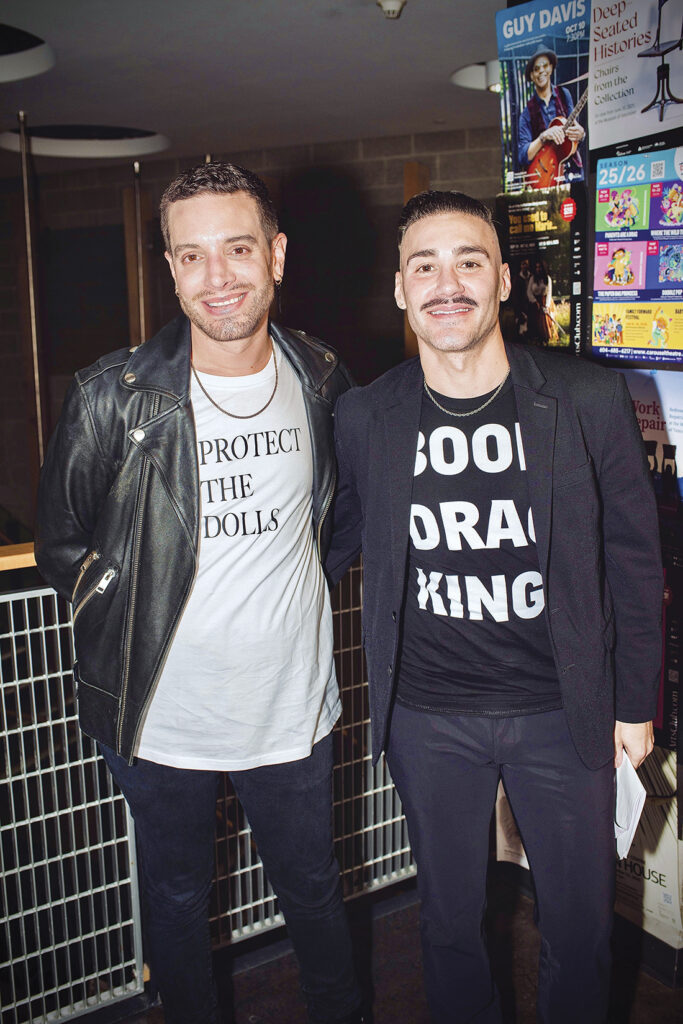
Damian Pelliccione and Christopher J. Rodriguez’s love story started where many a great romance has, on MySpace in 2007. Nearly 19 years later, the married couple has built a life and a business together, navigating law school, entrepreneurship, and the founding of the LGBTQ+ streaming service Revry. Today, Pelliccione serves as CEO and Rodriguez as chief creative officer, having turned their passion for queer storytelling into a global media company. While some might shy away from working alongside their spouse, Rodriguez says it’s been beneficial professionally and personally. “Being business partners has made us dramatically better communicators,” Rodriguez says. “So we learned—not overnight, and not gracefully at first—how to be effective and honest with each other.” Pelliccione has emerged as a leading voice for queer representation in media, making a passionate and reasoned case for why investing in LGBTQ+ audiences is a recipe for success. The proof of this came in the form of King of Drag, the world’s first drag king competition series. The idea seemed obvious, but advertisers declined the opportunity to sponsor it. Undaunted, Pelliccione and Rodriguez forged ahead anyway. The gamble paid off when, at the last minute, e.l.f. Cosmetics stepped in, helping make King of Drag one of Revry’s biggest successes. The series returns for its second season this month. “We’ve always been a company that finds inspiration in the word ‘no,’” Rodriguez says. “When you hear it enough, it stops being a verdict and starts being fuel.” — RS
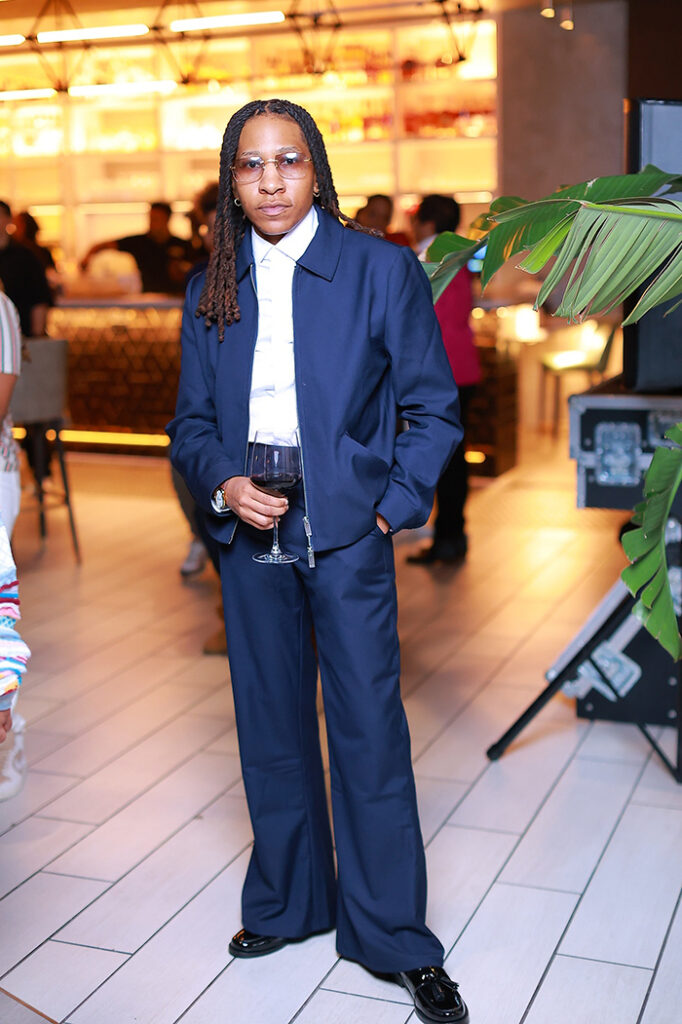
Chelcea Stowers
Finding community can be a challenge in any big city, but when photographer Chelcea Stowers saw a real need for lesbian spaces in Detroit’s nightlife scene, she decided to create one herself. Lesbian Social Detroit’s pop-up events at local venues introduce the community to the city’s lesser-known spaces, and creates space for lesbians within Detroit’s LGBTQ+ community to network, build friendships, and find love. Once she began hosting events Stowers was blown away by the lesbian community. “I didn’t know 15,000 lesbians existed in the city until I started hosting events and seeing an idea grow into a community where women pour into each other and connect outside of events.” Since its founding in 2023, Lesbian Social Detroit, a self-funded organization, continues to grow its partnerships throughout Detroit, despite the challenges that the lack of financial backing can bring. Part of Stowers’ vision is to host more events, particularly those that exist beyond nightlife. Her ultimate goal? To open a permanent space in the city. All of this is no small feat for Stowers, a self-proclaimed introvert, who says, “I struggle with crowds due to anxiety, but my love for events and bringing people together allows me to push through and see the event through from start to finish.” — SS
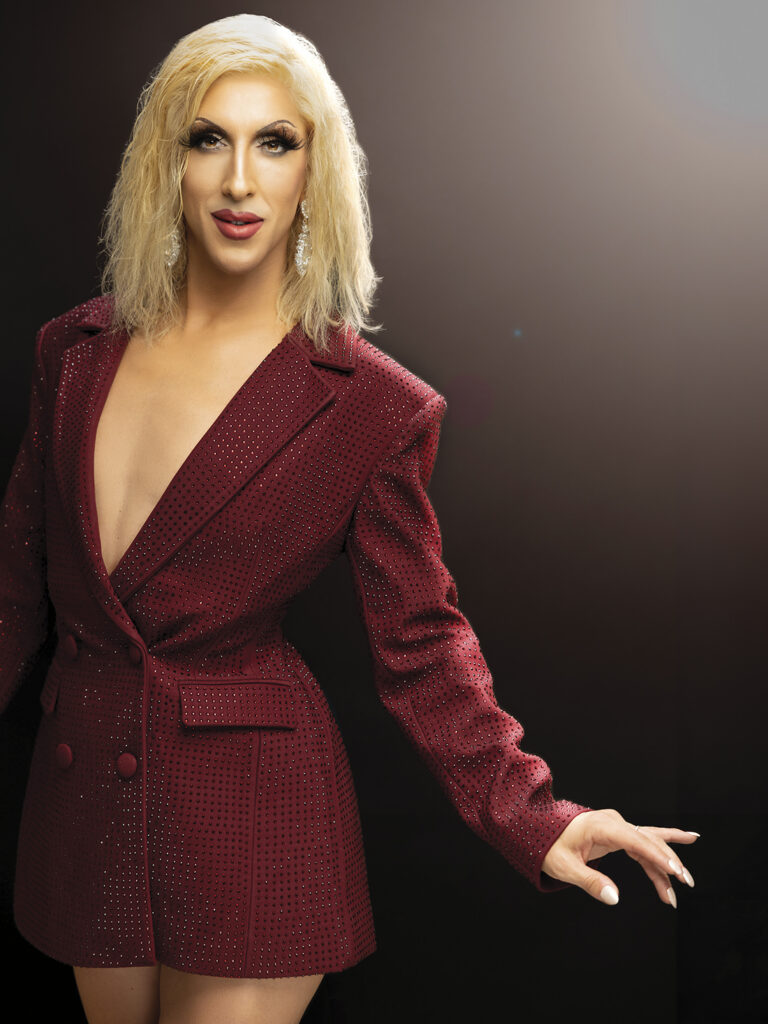
Marti Cummings
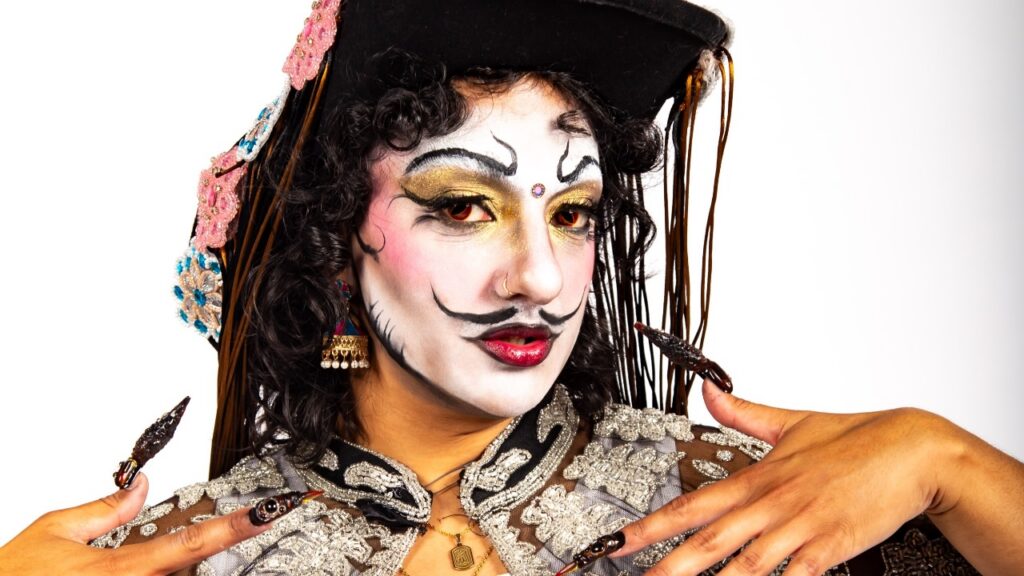
When people say that Marti Cummings is worldwide, they mean that literally. The trailblazing drag artist holds a Guinness World Record as the first drag artist to perform on all seven continents, and that’s just one of the ways they are taking the globe by storm. They are not only an entertainer and singer who has performed in venues across the world and popped up on your TV screens on shows like Worst Cooks in America and 30 Rock—they were also the first openly nonbinary political candidate in New York City history when they ran for New York City Council in 2021.
They are the first drag artist to moderate a panel at the United Nations and serve as an elected state committee member of the New York Democratic Party. For Cummings, making an impact on others is still the most satisfying part of what they do. “The greatest reward is knowing that through my work I can help people feel seen, bring communities together, and hopefully inspire someone else to believe there’s space for them, too.” Cummings says they’re just getting started. “My vision is always evolving because I never want to stop growing or surprising myself.” And while Cummings continues to pursue their dreams of conquering Broadway, they’re also focused on what they’ve always done best: finding new and unexpected ways to bring queer stories to new audiences. “More than anything, I hope to continue creating work that entertains people while also making them think, laugh, and feel connected.” — RS
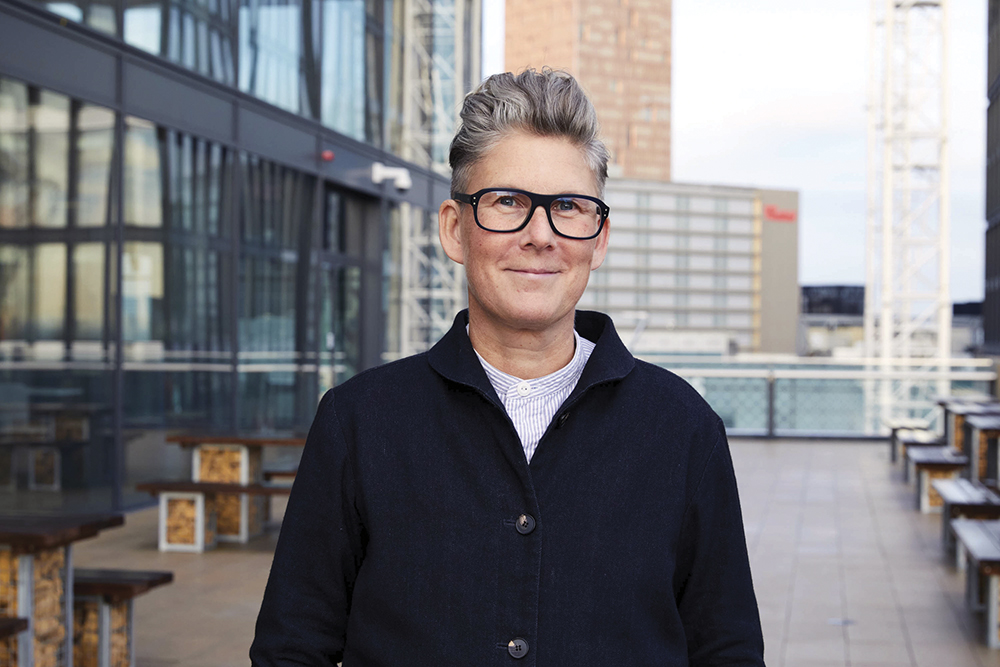
Kit Morey
“Finding my voice and acknowledging my identity loudly and proudly has made me the best me because I don’t have to hide,” says VP Commissioning Editor at Paramount Kit Morey. Coming out as a lesbian 30 years ago was hard, but coming out again as trans nonbinary seven years ago was equally difficult. “I felt like a fraud sat there knowing this was who I was and that if I wasn’t being honest about who I am, if I wasn’t being my authentic self, then how would those ill-informed, and sometimes hurtful voices ever change.” Morey’s success hasn’t come easily. They advocate for intersectionality on and off camera, yet still face ignorance of their trans identity. They also had to fight for medical professionals to respect their gender-affirming surgical wishes during a breast cancer diagnosis and are questioned by people who fail to comprehend that they’re a transmasc person who gave birth. Morey sees their lived experience as a tool to help young LGBTQ+ people: “I feel a deep sense of responsibility…as a ‘queer elder’ towards the next generation, to help open doors, to help pave the way and try and make the journey a little bit less bumpy.” Morey takes seriously what reaches people’s screens. “I do everything I can to make sure the content I commission and the people who make it [are] representative, inclusive, and make sure that, in homes across the country, all voices are heard.”— AMR
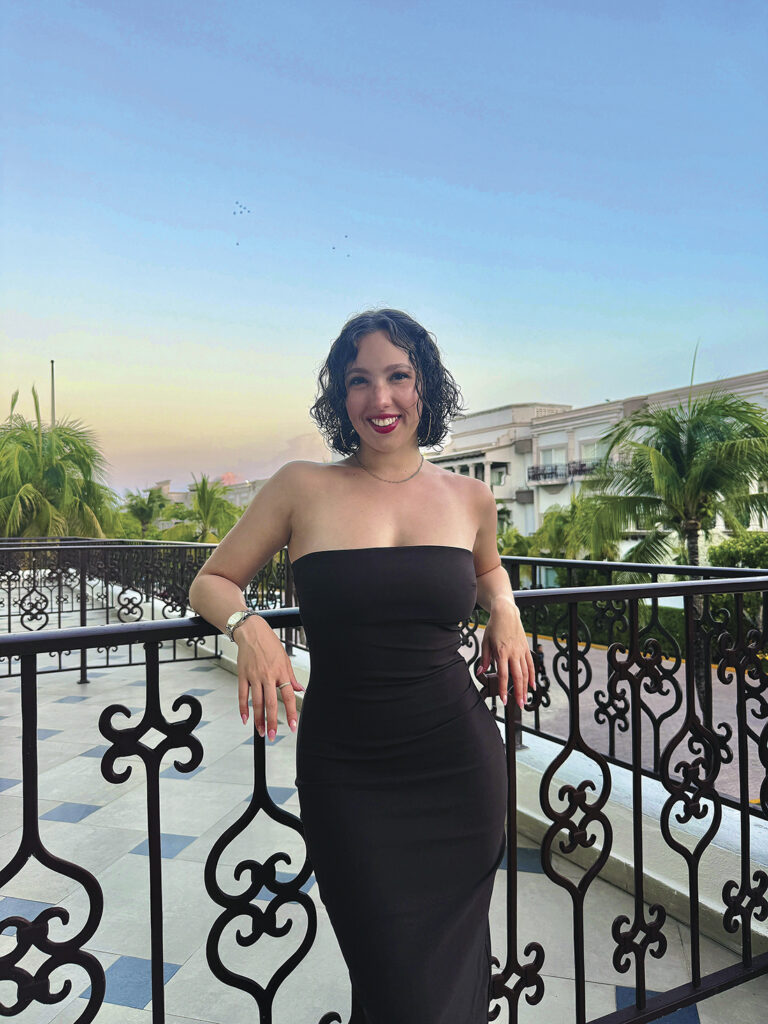
Lilli Jacobs
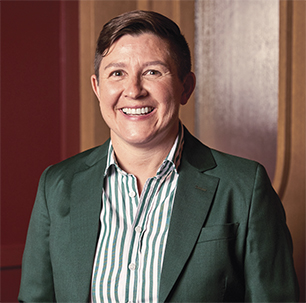
“Creating a space for the queer community to have access to high-quality movement education at a more financially accessible price was really important to me,” says Pilates instructor, educator, director, and choreographer Lilli Jacobs. After reconnecting with her own sexuality and setting out to build the space she wishes she’d had as a younger queer woman, Jacobs opened Sapphic Somatics in June 2026. Jacobs says her queer friendships helped her embrace her identity fully in her late 20s. Asked about the philosophy she brings into her work, Jacobs says: “Spirituality, baby! I practice Nichiren Buddhism with the SGI-USA, and chant Nam Myoho Renge Kyo every day.” She also incorporates healing work, which has helped her cultivate a more nurturing relationship with her trauma. “I view being triggered as a portal to my highest self; we have to plunge to the bottom of the pool [to] understand oneself more deeply,” Jacobs explains. Jacobs also organizes sober-friendly drinks and coffee after class, and she’s just getting started. Beyond the studio, Jacobs’ ambitions stretch even further: teaching internationally, hosting retreats, and eventually bringing Sapphic Somatics to new countries. Throughout it all, her queerness is the thread that ties everything together. “Blending two of the most important parts of my life together has been everything I didn’t know I needed,” she says. — IA

Gigi Gorgeous
Gigi Gorgeous has been living her life online since 2008, when she started her YouTube channel as a high school student. She came out as a transgender woman and began documenting her transition, including in the award-winning documentary This is Everything: Gigi Gorgeous, which debuted at Sundance in 2017, at a time when there were very few out trans celebrities. “Growing up, I never saw anyone who shared anything similar to what I was going through in my life, and it was incredibly isolating,” she says. “So I know the more I share, the better, because you never know who you are going to touch. I always keep this in the back of my mind.” Despite the risks, Gorgeous has continued to thrive, becoming one of Time Magazine’s “25 Most Influential People on the Internet,” a Forbes “30 Under 30” honoree, a critically acclaimed two-time author, and a transgender activist and LGBTQ+ advocate. Based on her experience with IVF and wanting to start a family with her ex-husband, earlier this year Gorgeous announced her partnership with the Fertility Friends Foundation, which removes financial barriers to fertility care and helps with queer family building. She also launched The Gorgeous Grants. “I never had enough information, or thought there were enough stories shared, especially being a transgender couple with the added hurdles both physically and socially,” she says. “So it was important to me with this partnership and with the launch of The Gorgeous Grants to shine a light on education, visibility, and to provide financial accessibility.” — AMR
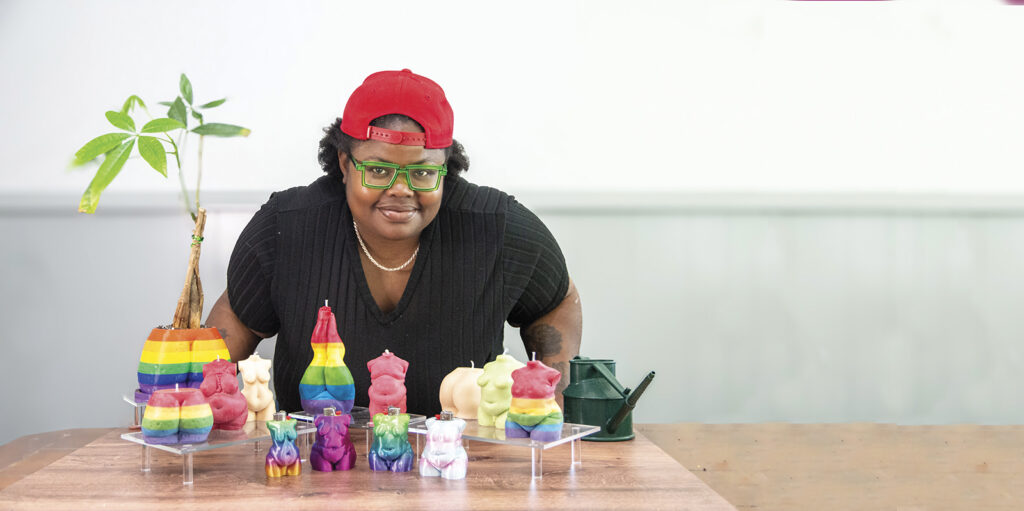
Jodyann Morgan
Jodyann Morgan never dreamed of owning a small business, but when the murders of George Floyd and Breonna Taylor stopped her from wanting to leave her house, she tried every hobby: making hair products, terrariums, and even gardening. A candle-making kit changed everything. “I started posting the candles I was making on Instagram, and someone asked me for a candle that looked like them. The rest is history, as they say. I scoured the internet for molds but didn’t find many that really depicted a plus-size body,” Morgan says. Now, CTOAN sells candles, planters, lighter holders, stickers, and coloring pages with more than 14 different body designs featuring rolls, stretch marks, top surgery scars, and bellies. “There’s something really special about art that looks like our bodies, that celebrates our humanity, and does so without shame or guilt. People look at my art and find the beauty in themself,” she says. Over the last five years, CTOAN has had to fight to stay open. As people struggle to pay their bills, Morgan says, art is often not in their budget. She also knows her art can be provocative, with some seeing it as sexual, others saying it “glorifies obesity,” and others uncomfortable seeing art that looks like their body for the first time. Despite this, Morgan continues to work. “It’s been a hard-fought battle to get here. I don’t know what the future holds, but I’ll keep fighting as long as I can,” she says. — AT
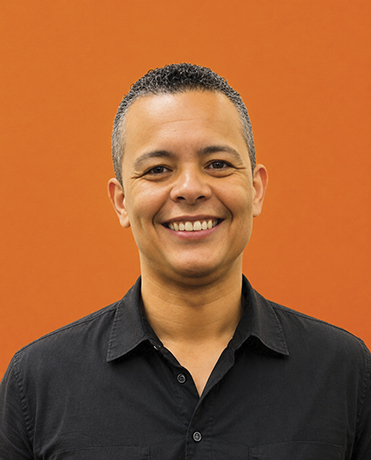
Dr. Asa Radix
Dr. Asa Radix grew up in Grenada and says they “saw firsthand how access to healthcare could be shaped by where you lived, the resources available, and broader social circumstances.” Their experiences sparked their career in medicine. The chief physician of the adult transgender team at Landspítali – The National University Hospital of Iceland, says that as they worked in communities from the Caribbean to New York, they “became increasingly aware of the profound health inequities experienced by LGBTQ+ people. I realized that providing excellent clinical care alone wasn’t enough. We also needed research that reflected community priorities, evidence to inform policy and clinical practice, and educational programs to prepare healthcare professionals to provide affirming care.” This led the board-certified internal medicine and infectious disease specialist to pursue a PhD in epidemiology (the study of how diseases move within groups of people), which they have since used to build research programs that partner with LGBTQ+ communities. Dr. Radix is also an associate professor of epidemiology at Columbia University Mailman School of Public Health and a clinical professor of medicine at NYU Grossman School of Medicine, and says, “What I value most is seeing research translate into better care for patients…it’s incredibly rewarding to know that the work can improve the lives of individuals and strengthen healthcare systems for the communities we serve.” Dr. Radix’s current research focuses on sexual health, transgender health, HIV prevention, and healthcare disparities. — SS
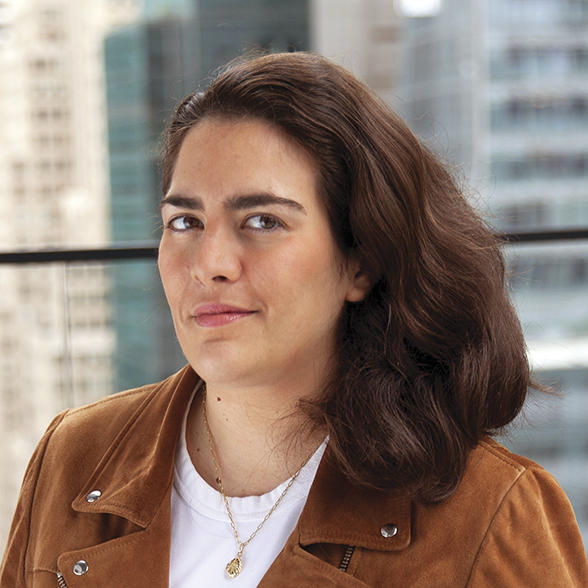
Isabel Sierra y Gómez de León
Isabel Sierra y Gómez de León made her dream a reality despite having few examples to look to for inspiration. “When I started my career more than 20 years ago, there were very few women, let alone queer ladies, in creative leadership roles. This is all very slowly changing, but at the time, achieving executive creative director status seemed like something completely out of reach.” Now, Sierra y Gómez de León is executive creative director, EMEA (Europe, Middle East and Africa) and LATAM (Latin America), at Adobe and is an award-winning creative, designer, brand leader, and AI ethics advocate. Today, queer people can look to her as a model for what is possible—and that diversity in corporate voices, Sierra y Gómez de León says, makes her industry stronger. “The world is ready for all sorts of stories, with all sorts of context and backgrounds. This is what motivates me every day—helping brands become part of the big human tapestry, by building ideas that are connected to the different realities we all live within.” Being out has affected her whole existence. “My journey as a queer person wasn’t easy, or linear. But it has given me a lot of empathy for others… It’s taught me that we are all human, and that we are all better together,” she explains. “It has given me superhuman strength and an unwavering sense of resilience. I don’t give up on people easily. The same way that the LGBTQ+ community has never given up on me.” — RS
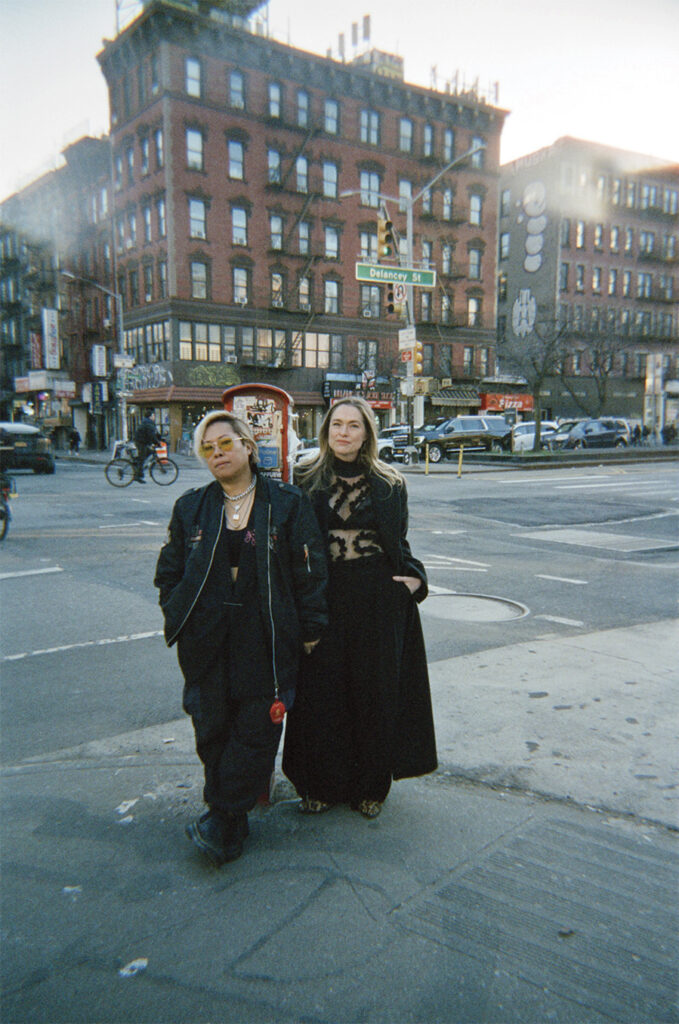
Katrina and Leighann Sobredilla
When Katrina and Leighann Sobredilla started to dream of opening their own bar, they knew they didn’t want to create just another cocktail bar—they wanted to tell their story and create a place that reflected where they were from. From that desire, Ligaw was born. Their cocktails feature Filipino flavors and ingredients, and each one celebrates the Filipino tradition of ligaw, or courtship, as each drink represents a stage of their love story. Katrina says their ultimate goal is to be recognized as one of the best cocktail bars in the world, but without leaving any part of themselves behind. She says, “The dream would be the first lesbian bar to be recognized by World’s 50 Best Bars or the James Beard Awards. We want to prove that a bar rooted in culture, community, and queer identity belongs on those stages, too. Every step we’re taking is about creating a safe space while also raising the standard for what people expect from hospitality.” Leighann wants to take their vision further by creating more spaces like Ligaw, and she believes you don’t have to choose between being a community space and being one of the best in the industry. She says, “We’re hoping to break some of those barriers while staying true to who we are and why we started. Beyond the awards and recognition, we want a thriving business, a healthy community, and, personally, we’re excited to build a family together. That’s the dream.” — SS
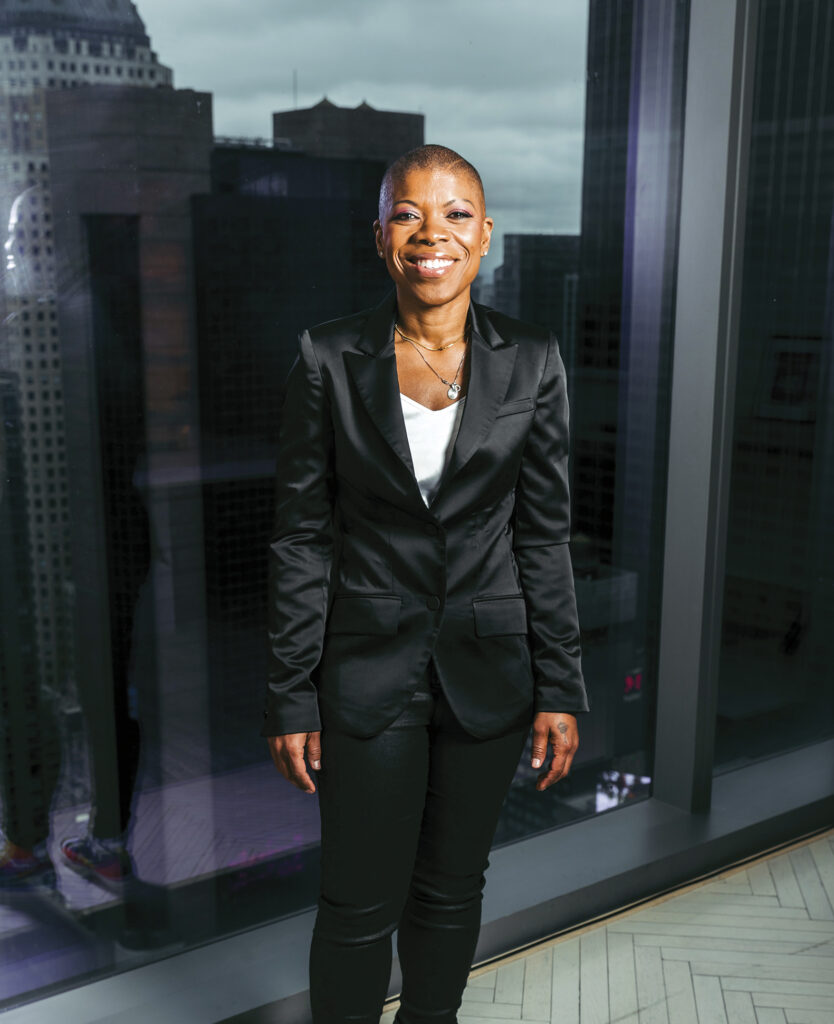
Jaymes Black
After more than 20 years in corporate America, Jaymes Black pivoted to the nonprofit sector and says the transition has brought them to work that aligns with their purpose. “It feels less like I changed careers and more like I finally found the work I was always destined to do.” Forced to drop out of high school due to intense anti-LGBTQ+ bullying, Black earned their GED and later their bachelor’s degree at 36. They went on to pursue an MBA while their wife was also in school and they were raising twin boys. Their work has led them to their position as CEO of The Trevor Project, the leading suicide prevention and crisis intervention organization for LGBTQ+ young people. Black says, “Leading The Trevor Project is deeply personal because it’s the organization I desperately needed growing up as a queer kid in conservative South Texas.”
Black’s accolades include being honored as one of Time Magazine’s “100 Most Influential People in Philanthropy” and named to the inaugural Time “Visionaries List” in 2026. Still, Black says the most rewarding aspects of their work come from “meeting young people who tell me, ‘The Trevor Project saved my life,’ or parents who thank us for being there for their child during their darkest times.” Black says a leader’s greatest strength is authenticity. “My advice to others is simple: don’t spend your life trying to fit into someone else’s definition of success…the more authentically you show up, the more powerful of an impact you will make on those around you.” — SS
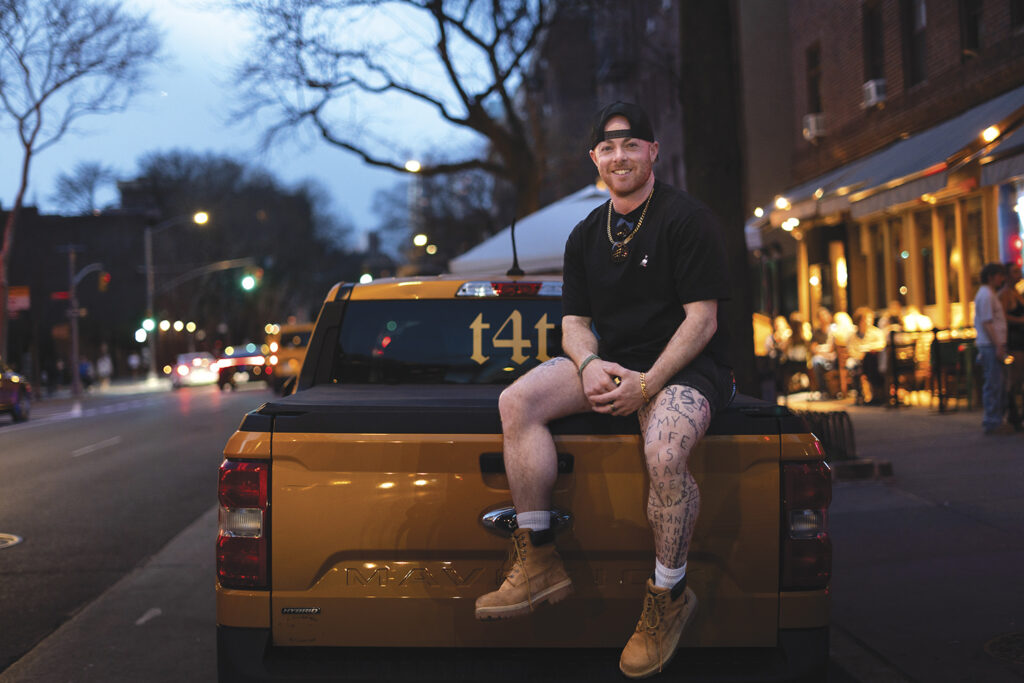
Hutch Shea Hutchinson
If you’ve ever partied at a queer nightlife venue in New York City, then you’ve probably run into an event produced by Hutch. Currently a production designer, producer, and business partner at queer bar Henrietta Hudson, Hutch has devoted his career to building community and creating safe places for LGBTQ+ people to gather. “Queer and trans people deserve spaces where every part of who we are is not just accepted, but celebrated,” he says. “There is something incredibly powerful about watching community take shape in real time—strangers becoming friends, people finding themselves, and joy acting as a form of resistance.” For Hutch, the “most rewarding” part of his work is creating spaces where people feel “safe enough to let their guard down, show up honestly, embrace vulnerability, and connect” with each other. But Hutch’s influence extends beyond queer nightlife. He is also a film worker whose prop work can be seen in Succession, Steven Spielberg’s West Side Story, and Only Murders in the Building, as well as in production design on several queer independent films. And when they’re not working, Hutch spends time volunteering with Black Trans Liberation Kitchen, serving on the board of MIX NYC, and volunteering as a firefighter in Cherry Grove. “I’ve found over the years that as long as I move with integrity and honesty, rely on the community around me and hold my values close, no amount of adversity is too much to overcome,” he says. “Showing up and doing the work is how things get done.” — AMR