

What Does the DC Studios Shake Up Mean for Queer-Inclusive Stories?
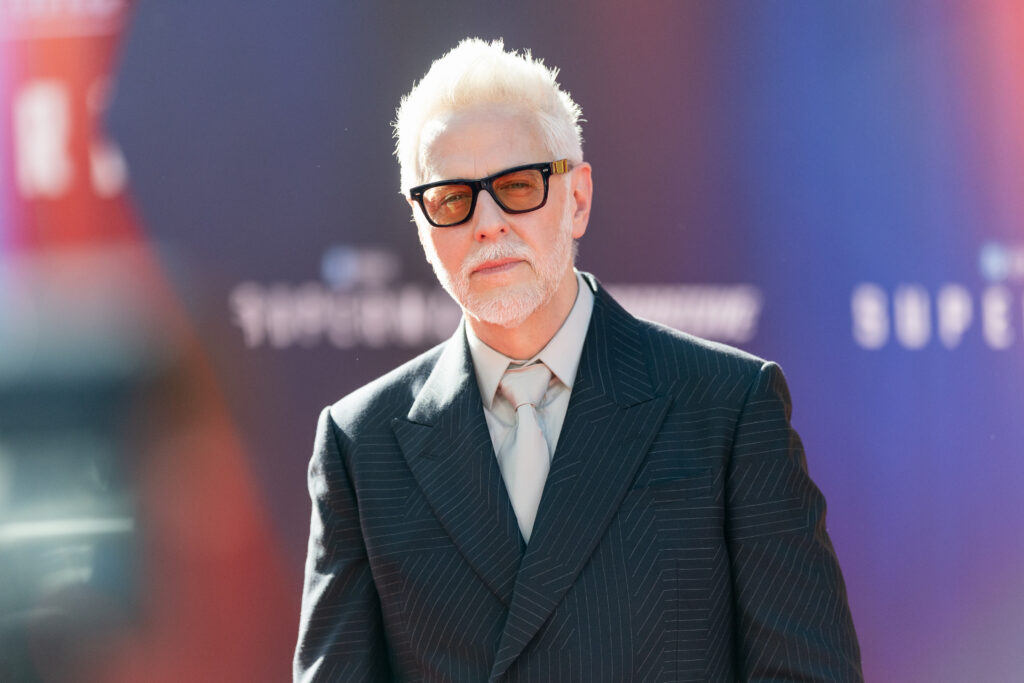
Skydance is already making big moves after the merger, and not necessarily for the better.
The future of DC Studios is looking a little uncertain after a surprising leadership shake-up has left fans wondering what comes next for their favorite superheroes, and whether inclusivity is on its way out.
On Monday, November 9, Skydance announced that James Gunn and Peter Safran would be stepping down as co-heads of DC Studios, with veteran Marvel producer Jeremy Latcham poised to take over as president and chief creative officer.
To say the move came as a shock is an understatement. Gunn and Safran had been instated just four years earlier, following the merger between Warner Bros. and Discovery. At the time, it was a particularly notable decision considering Gunn is traditionally a writer and director—roles he maintained as he and Safran worked to create their vision of the DC Universe.
Now, another merger between Warner Bros. Discovery and Skydance (which recently merged with Paramount), led by David Ellison, is changing things up again. Although Gunn and Safran will continue working on creative projects for DC, the reasons behind their unexpected departure remain unclear. Gunn shared a gracious note about his time heading up DC Studios following the announcement, but rumors have already been swirling about Ellison himself wanting to replace the duo with someone whose tastes are more in line with his own.
While Skydance may be enthusiastic about bringing Latcham on board, not everyone is feeling quite so optimistic about the change.
It didn’t take long before blindsided fans dredged up Latcham’s prior associations and interviews, including one with the conservative Christian Broadcasting Network in which he discussed how his religious upbringing influenced his approach to making movies. While the interview doesn’t necessarily suggest he’s quick to inject religious ideals into the movies he produces, he did note that one of his guiding principles during his Marvel days was whether his grandmother would like something.
Those comments, combined with Latcham’s involvement with faith-and-values entertainment company Wonder Project, have raised concerns about whether DC will move towards a more conservative creative direction—a possibility that’s proving particularly disheartening for fans who found Gunn’s more irreverent approach to comic adaptations to be a welcome change from the broader (and to some, blander) appeal of the MCU.
In addition to dark humor, bold violence, and general absurdity, it’s notable that Gunn’s projects have demonstrated a willingness to embrace LGBTQ+ representation. Peacemaker immediately comes to mind, with the pet project featuring a bisexual, macho anti-hero lead with a Black lesbian as his close friend and teammate.
Under Gunn and Safran’s leadership, there was hope that upcoming DC films might grow to reflect the queer-inclusivity that’s been significantly more present in DC comics and TV shows over the years. The Arrow-verse gave us numerous LGBTQ+ characters, as did Doom Patrol and Harley Quinn: The Animated Series. On the comics side of things, DC has unabashedly rolled out its Pride anthology each summer, with a significant number of queer storylines happening throughout its regular series year-round.
Just last month, Gunn expressed interest in bringing Margot Robbie’s Harley Quinn back to the DCU. Just prior to that, reports claimed that The Penguin showrunner Lauren LeFranc was in talks to spearhead a Poison Ivy TV series.
Now, the fate of both of these characters within the DCU is unclear. TheWrap says insiders claim Ellison has mandated that Latcham focus on the Justice League, first and foremost—a major departure from Gunn’s penchant for lesser known DC characters. It’s not a reach to assume this very well may signify a return to the overwhelmingly straight, white, and male status quo, as those are generally the characters with the most history and the most name recognition.
And this would be in line with previous decisions Ellison has made in recent years. In 2025, as Skydance sought approval for its merger with Paramount, the company pledged to eliminate diversity, equity, and inclusion initiatives. That included dismantling Paramount’s Office of Global Inclusion and eliminating positions specifically dedicated to DEI. The decision was one of several that was widely viewed as a concession to the Trump administration, which has aggressively targeted diversity initiatives across the country.
Of course, theorizing that Skydance will cannibalize inclusion efforts at DC Studios is pure conjecture at this point, but it’s conjecture that comes directly out of prior actions—moreso those originating with Skydance and Ellison himself than Latcham.
Hopefully Latcham surprises us. Hopefully DC Studios remains on the path to becoming as inclusive as its comics and television counterparts and continues telling superhero stories that don’t feel like the same dull regurgitations centered around watered down versions of Batman and Superman and their super hetero pals for the millionth time. But for now, fans have every reason to remain skeptical. Whether that skepticism and desire for something other than the historical, pre-Gunn-and-Safran status quo translates financially—the only thing people like Ellison seem to understand—remains to be seen.