


What To Know About Maryland’s House Bill 649 And New Protections For Trans Students
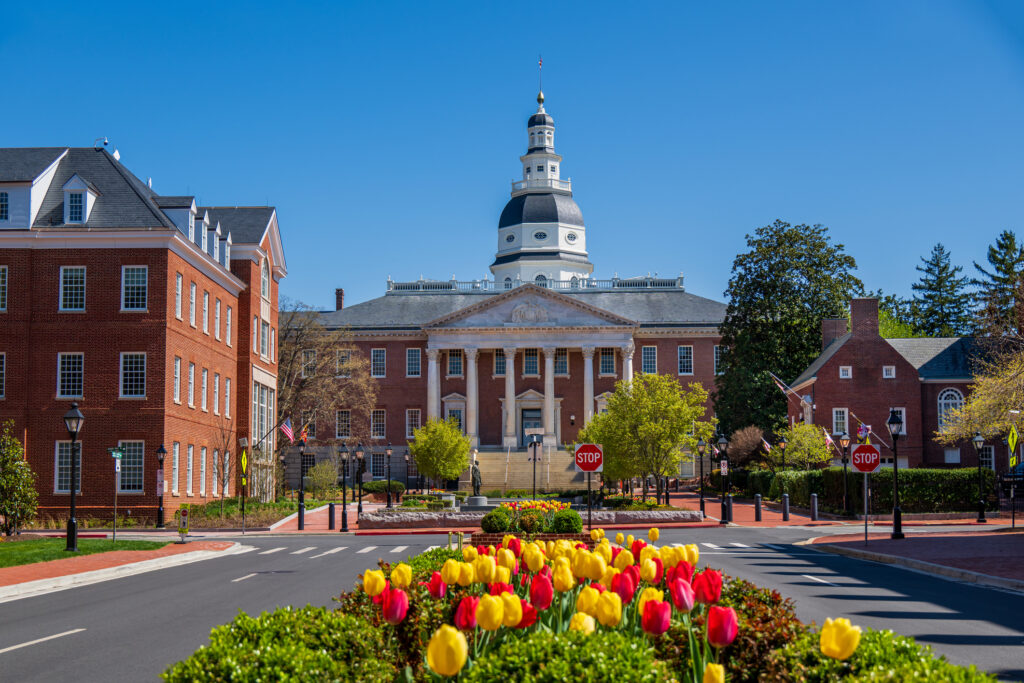
House Bill 649 could guarantee transgender students full participation in school life while creating a new path to hold schools accountable for discrimination.
Featured Image: Photo by Amy Sparwasser
As federal civil rights enforcement continues to unravel, Maryland lawmakers are stepping in with a bill that doesn’t just restate protections—it tries to make them actually enforceable. Because what’s the point of rights if no one is around to uphold them?
House Bill 649—formally titled the “Advancing Equal Educational Opportunities for All Students in Maryland” Act—is moving quickly through the legislature after passing through the House in a 100-35 vote on March 23. It’s now sitting with the Senate, and if it clears before the April 13 deadline, it’s expected to land on Governor Wes Moore’s desk.
For years, students experiencing discrimination in schools have relied on the U.S. Department of Education’s Office for Civil Rights to investigate complaints. That safety net has effectively collapsed. Multiple regional offices have shut down, and complaints have largely stopped being processed since early 2025, leaving many students—especially LGBTQ+ students—without recourse.
“This bill addresses a state-level enforcement gap in education discrimination,” said Cleveland Horton II, executive director of the Maryland Commission on Civil Rights, in an interview with Fox Baltimore.
And the gap is already showing up in real ways. A 2025 school climate survey found that two in three LGBTQ+ students reported feeling unsafe at school, while 86 percent of transgender and gender-expansive students avoided certain school spaces.
HB 649 attempts to close that gap with language that actually holds weight. The bill states that schools cannot “exclude an individual from participation in, deny a person the benefits of, or subject an individual to discrimination within, any program or activity” based on characteristics including sexual orientation and gender identity.
That “any program or activity” phrasing matters. It pulls from Title IX and makes clear that protections extend across everything—sports, admissions, facilities, housing—not just the parts that schools feel like enforcing.
The bill also introduces a major shift: a private right of action. Instead of waiting on a government agency to investigate, students and families would be able to sue schools directly in state court if discrimination occurs.
The National Women’s Law Center Action Fund testified in support of this bill, saying that the pathway is “critical for student survivors of sexual assault and LGBTQI+ students who may face greater hurdles in obtaining justice on federal civil rights claims.”
Opponents argue it could expose schools to increased litigation. Supporters counter that if schools aren’t discriminating, they have nothing to worry about.
All of this is unfolding against a broader backdrop of increasingly aggressive federal scrutiny toward transgender students and the schools that support them. HB 649 doesn’t just expand protections—it re-centers where enforcement happens. If passed, Maryland would join a small group of states explicitly guaranteeing transgender students full participation across school life.