


Transgender Women Now Banned From Women’s Olympic Events
The International Olympic Committee bars transgender athletes from competing in the female category and will introduce mandatory gene testing for all athletes who wish to compete.
Featured Image: Yves Herman – Pool/Getty Images
Transgender women athletes are now banned from women’s events at the Olympics after the International Olympic Committee (IOC) released a new eligibility policy.
“The policy explains that, for all disciplines on the sports programme of an IOC event, including the Olympic Games and for both individual and team sports, eligibility for any female category is limited to biological females,” the IOC said.
The new policy will be in effect at the upcoming 2028 Los Angeles Olympics and will require athletes to undergo a screening for the SRY gene, “a segment of DNA typically found on the Y chromosome that initiates male sex development in utero and indicates the presence of testes/testicles.”
Related: Olympic Committee Reaches Consensus On New Trans and Gender Policy
While this policy was under review from September 2024 to March 2026, there has only ever been one trans woman athlete in the Olympics, weightlifter Laurel Hubbard, who failed to make a single successful lift at the 2020 Tokyo Olympics. Despite this fact, the IOC policy cites its “Working Group”, a group formed in 2025 made up of specialists in sports science, endocrinology, transgender medicine, etc. and their research, which supposes that being born male gives athletes lasting physical advantages.
“Male sex provides a performance advantage in all sports and events that rely on strength, power and endurance,” the IOC said. “To ensure fairness, and to protect safety, particularly in contact sports, eligibility should therefore be based on biological sex.”
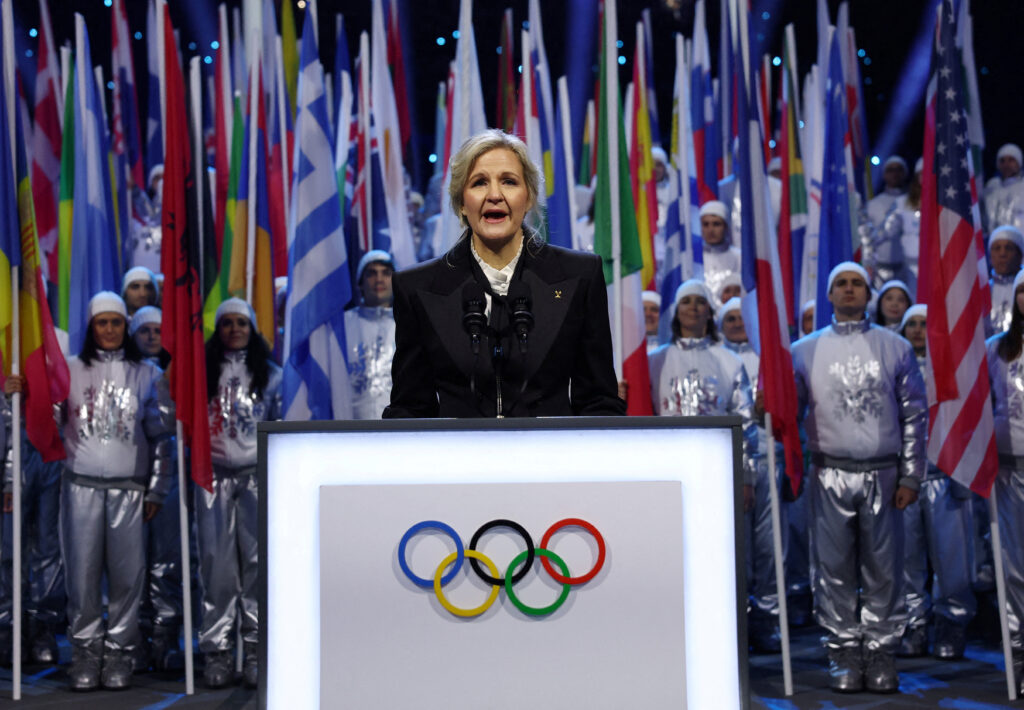
When IOC’s first female President, Kirsty Coventry, ran for the position, she repeatedly emphasized how important it was to protect the women’s category. “At the Olympic Games, even the smallest margins can be the difference between victory and defeat,” the former swimmer turned IOC leader said of the new policy. “So, it is absolutely clear that it would not be fair for biological males to compete in the female category. In addition, in some sports it would simply not be safe.”
The International Olympic Committee announces new Policy on the Protection of the Female (Women’s) Category in Olympic Sport.
— IOC MEDIA (@iocmedia) March 26, 2026
Read: https://t.co/QcU5IVxyTi pic.twitter.com/3brHorx1k8
The policy comes after the debate around trans athletes intensified at the Paris Olympics in reaction to Algerian boxer Imane Khelif and Taiwanese boxer Lin Yu-ting. In the wake of the boxing hysteria, Olympic track and field became the first sport to introduce mandatory DNA sex testing. The genetic tests, including those in the IOC policy, have already run into problems with national laws, like in France, where privacy laws restrict that type of testing.
Additionally, these types of tests can eliminate athletes who have difference in sex development (DSD) that can result in high levels of testosterone. Caster Semenya, a South African runner, was ordered to undergo a sex test after winning at the World Championship and found out she was born with the typical male XY chromosome pattern and high testosterone but had female physical attributes. After Semenya decided not to take hormone suppressants in order to continue participating in the track and field events, she was banned from the Olympics, the World Championships and some international meets.
This policy would require athletes with XY-DSD, like Semenya, and other athletes with a positive SRY screen, to participate in male categories and any events that do not classify athletes by sex.