

Trans Idaho Residents Sue State Over Most Restrictive Bathroom Law In The Country
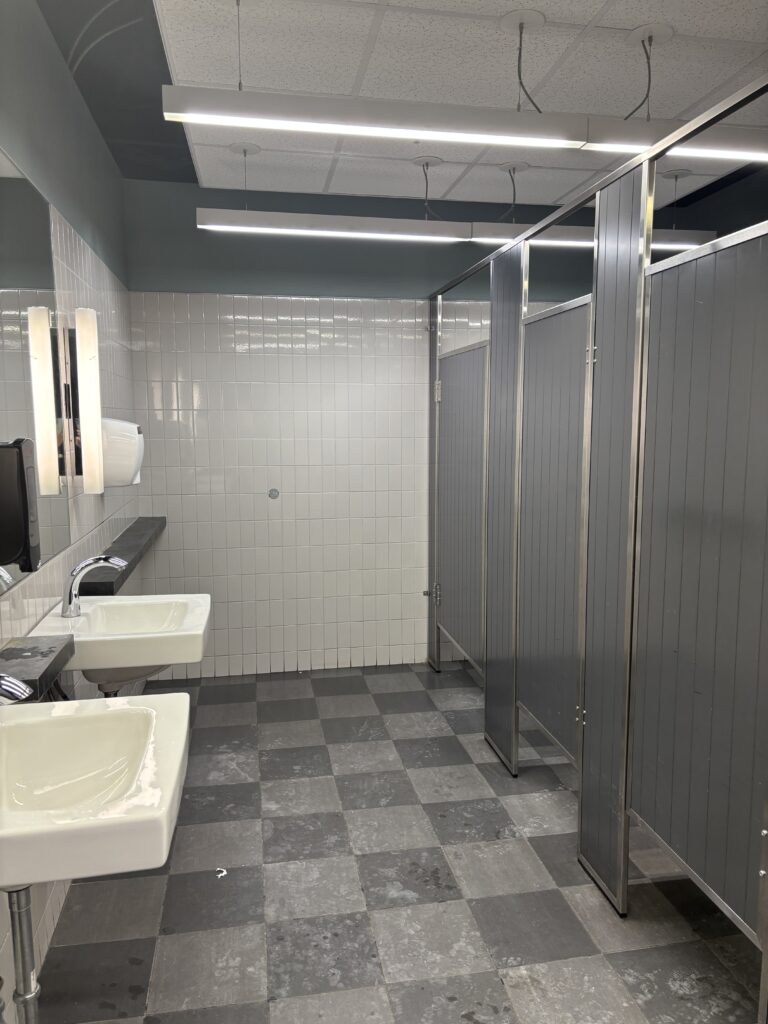
The sweeping new law has even created challenges for Idaho police who are concerned about how to make gender determinations without engaging in investigative actions that could be deemed inappropriate.
Featured image: Photo by Margaret Hetherman
On Thursday, March 30, six transgender Idaho residents filed a lawsuit in federal court, challenging a sweeping new law that severely restricts use of bathrooms not aligned with the user’s sex assigned at birth. They are requesting that the law be declared unconsitutional and that it be blocked before the it goes into effect on July 1, 2026.
The new legislation would render offenders guilty of a misdemeanor punishable by up to one year in prison. A second offense within five years would be a felony, punishable by up to five years behind bars.
In response, the American Civil Liberties Union (ACLU) and its Idaho-based affiliate, along with Lambda Legal, filed the lawsuit in Boise, with an assist from private firms Tolles & Olson and Alturas Law Group. The plaintiffs are Diego Fable, Amelia Milette, Daniel Doe, Peter Poe and Zoey Wagner, and Emilie Jackson-Edney, a 77-year-old transgender woman and lifelong Idahoan who has used women’s restrooms in public for the last 20 years without issue.
Related: Idaho Targets Trans People Using Private Business Bathrooms – New Law, Prison Possible
As GO previously reported, on March 25, Idaho passed a bill (HB 752) that criminalizes the use of bathrooms, locker rooms and changing rooms that do not conform to the user’s gender assigned at birth. The law, as the current filing notes, is “one of the most punitive and broadest-sweeping laws in the country to restrict restroom use by transgender people.”
It’s not news that bathroom bans have been a focal point for conservatives intent on pushing trans people out of public life. About 20 states ban trans people from using bathrooms aligned with their gender identity, typically public facilities and schools. But HB 752 goes beyond those laws in that it criminalizes usage in “private businesses” open to the public, in addition to “public accommodations.” Private businesses include spaces like airports, shopping malls, libraries, hospitals and gas stations.
The sponsor of the Idaho bill, State Representative Cornel Rasor, told lawmakers in March: “It prevents discomfort and voyeurism escalation and assaults, while preserving single-user options and narrow exceptions so no one is denied access for emergency aid.”
Rasor’s statement is highly questionable. In fact, the law doesn’t address actual voyeurism or sexual assault, and puts law enforcement in the difficult position of determining an individual’s biological sex.
As noted in the filing, the bill is deemed so “ill-conceived and counter-productive” that even The Idaho Fraternal Order of Police testified to lawmakers that it presents significant practical enforcement challenges for law enforcement. “Officers responding to a complaint would be placed in the difficult position of determining an individual’s biological sex in order to enforce the statute,” Idaho Fraternal Order of Police President Bryan Lovell testified in writing during legislative consideration before the bill was passed. “In many circumstances, there is no clear or reasonable way for officers to make that determination without engaging in questioning or investigative actions that could be viewed as invasive and inappropriate.”
Plaintiffs’ attorneys argue that trans individuals who are forced into using bathrooms that are not aligned with their gender are at increased risk of violence and harassment and negative impacts to their physical and mental health, safety, dignity, and quality of life.
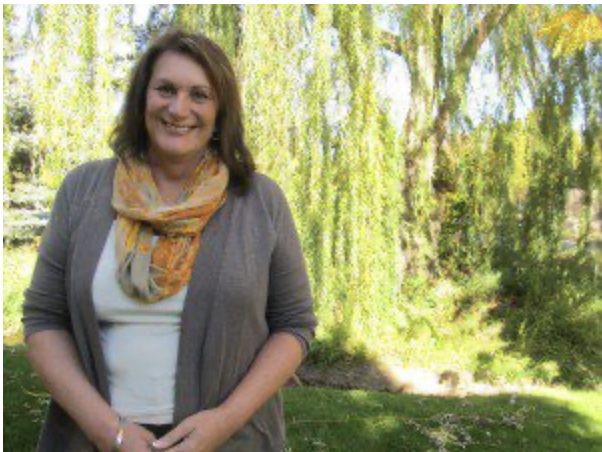
“Trans people must continually deal with the cultural assumption that they are somehow intrinsically flawed or disordered,” Emilie Jackson-Edney said in a Pride Foundation profile in 2013 that still resonates today, particularly given the state-sanctioned onslaught against trans people. “Demonstrating gender traits or identity that challenge expectations inevitably evokes the reaction that something is wrong with them. Most people are not equipped and are uninformed about how to deal with someone who is differently gendered. They just don’t know what to do with us.”
Image: Emilie Jackson-Edney, courtesy of Pride Foundation (2013)