

Haley Kiyoko’s ‘Girls Like Girls’ Finally Hits the Big Screen After Defining a Generation of Sapphic Fans
The stars and creator of Girls Like Girls discuss first love, self-discovery, and why queer audiences deserve more stories that celebrate lesbian
For more than a decade, Girls Like Girls has lived many lives—song, music video, novel—and now, at last, it arrives on screen as a sapphic coming-of-age story that has already shaped a generation before ever becoming a film. What started as a song and accompanying groundbreaking music video then became a novel and, at long last, will make its way to the screen this weekend, introducing a new audience and generation to a story of sapphic first love, heartbreak, and self-discovery in a beautiful and moving film that has “modern lesbian classic” written all over it.
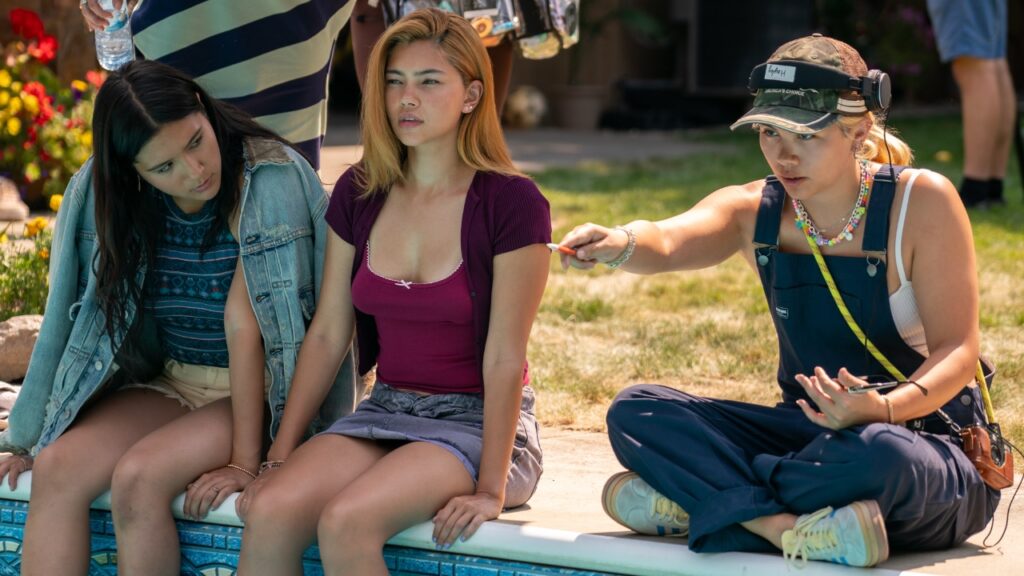
Girls Like Girls follows the budding romance of Coley (Maya da Costa), 17, who, following the passing of her mother, has relocated to a new town and is living with her father for the first time. She quickly finds herself falling in with a crowd of local teens and forms an instant connection with Sonya (Myra Molloy). Their friendship rapidly evolves into something more romantic as lingering gazes and brushed knees eventually turn into stolen kisses, all of which is complicated by both girls’ journeys of self-discovery and their evolving identities.
The film, which marks Kiyoko’s directorial debut, is powerful because it has an air of authenticity that comes from Kiyoko’s own lived experiences as a queer woman. “My dream with this film has been to authentically represent sapphic women and people who are experiencing … self-love and questioning their identity and discovery,” she tells GO.
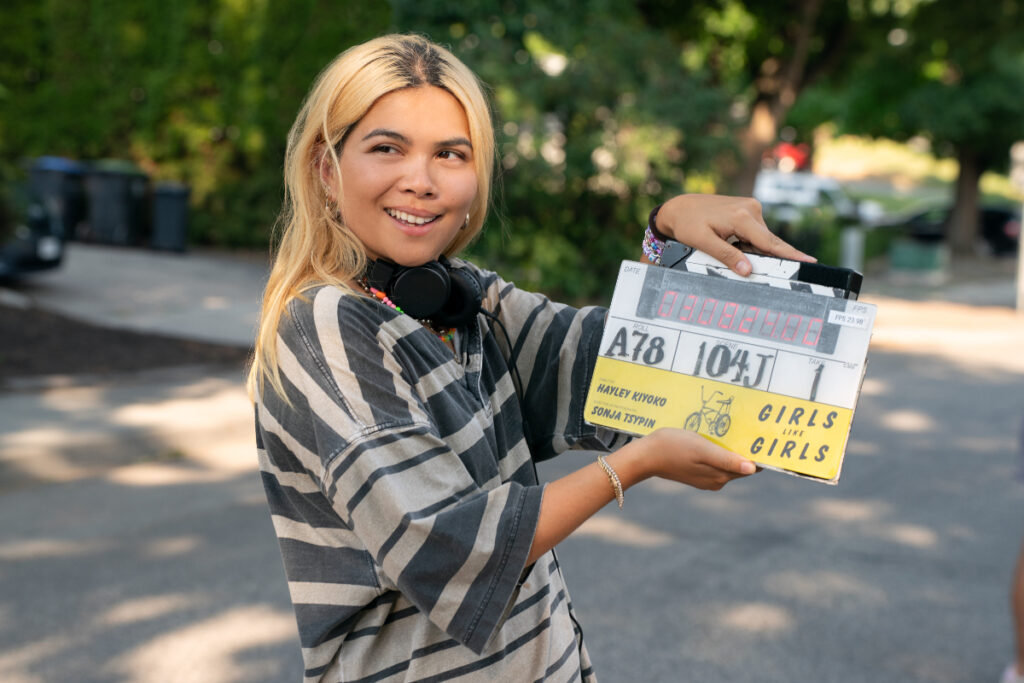
No question, the film will ring true for many who remember the thrill and the fear that comes with any first love, and Kiyoko hopes it might uncover memories and feelings long forgotten, too. “I hope people, when they see this film, maybe there are certain parts of their heart that they abandoned or left behind that they feel healed by or feel embraced by,” she explains.
It’s for these reasons, among many, that Kiyoko fought for a decade to tell this story. And the fact is, Girls Like Girls is just as needed today as it was a decade ago, when our stories being told still feel too few and too far between. “We should be able to name 10 sapphic films that we’ve seen in theaters in the last 10 years, and it’s really hard to do that,” says Kiyoko.
While Kiyoko has been the driving force behind the scenes, in front of the camera Girls Like Girls comes to life through the performances of da Costa and Molloy, who share tremendous chemistry and for whom making the film was revelatory. “Even just working on the material untangled so much within myself and just opened me up to be bolder and more proud of myself,” da Costa tells GO. Her hope is that audiences, particularly the sapphic audience, have a similar experience with the film. “I hope that it makes people less scared. I hope that it inspires them just to live their life as authentically and as fully as they can,” she says.
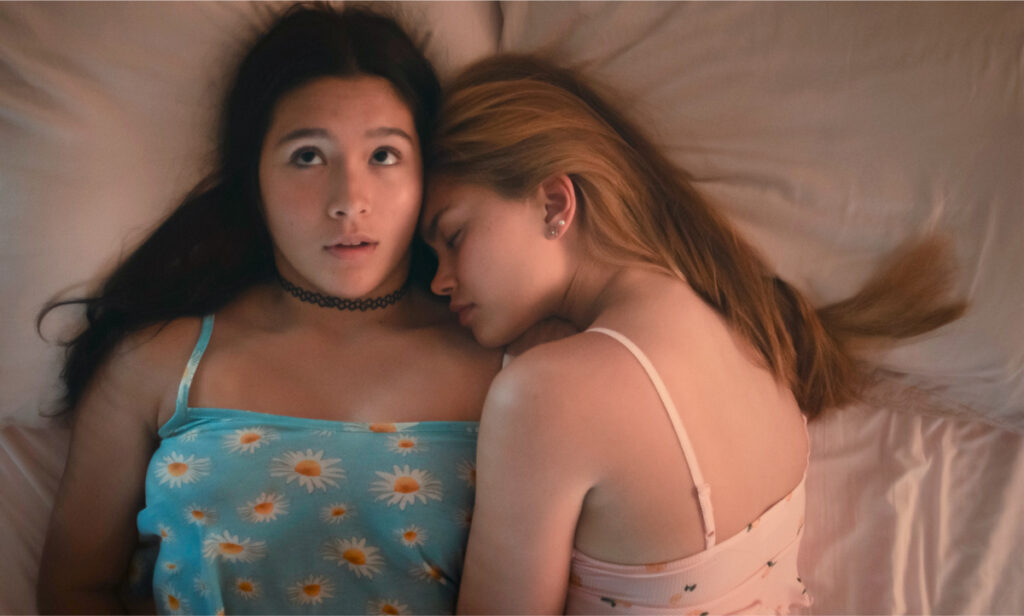
For Molloy, being seen through the film was a very emotional experience. “I always say to be seen is to be loved,” she tells GO, adding, “when I saw the trailer, I felt so seen. I was bawling like a baby.” And she hopes the audience is just as moved. “I hope you see parts of yourself in it and leave a little changed, leave a little more inspired, and leave a little more loved and joyful,” she says.
The mark of a great story is a desire to spend more time with characters, and to wonder what happens next. Kiyoko has spent a decade telling this chapter of Coley and Sonya’s story; it is an open question as to whether or not she would want to continue it. “I’ve been so focused on the present,” she says. “It’s taken so long to get here, through the music video to the book to the movie… Right now, we’re in Girls Like Girls land, forever and always.” While she hasn’t ruled out future chapters, she is intent on continuing to be a storyteller in various forms. “My dream and goal is to continue to direct hopeful queer love stories.”
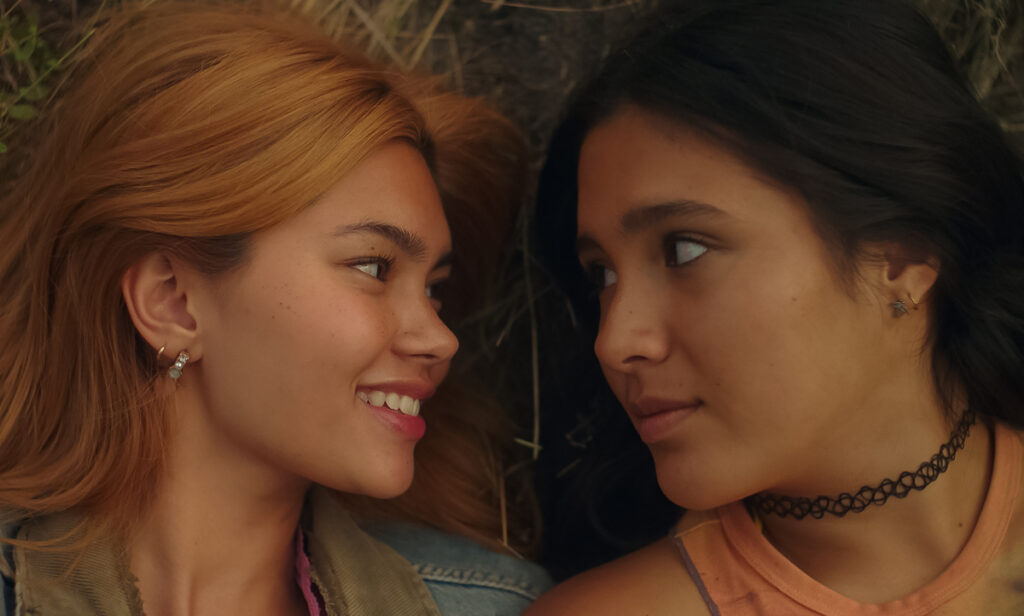
This is great news, regardless of what form that takes. One thing is certain: Kiyoko knows how to capture the imagination and hearts of her audience. After 10 years, Girls Like Girls continues to be relevant and beloved by her audience, and this film feels less like the end of the story than it does a culmination. And it couldn’t come at a better time, when the need for stories that, while not shying away from the struggles and the pain that come with a first lesbian love, really center that joy, that thrill, that excitement, and most of all the hope that comes with not only falling in love with someone, but finding yourself and loving her too.