

Avalon Fast Is Rewriting the Rules of Lesbian Horror With ‘Camp’
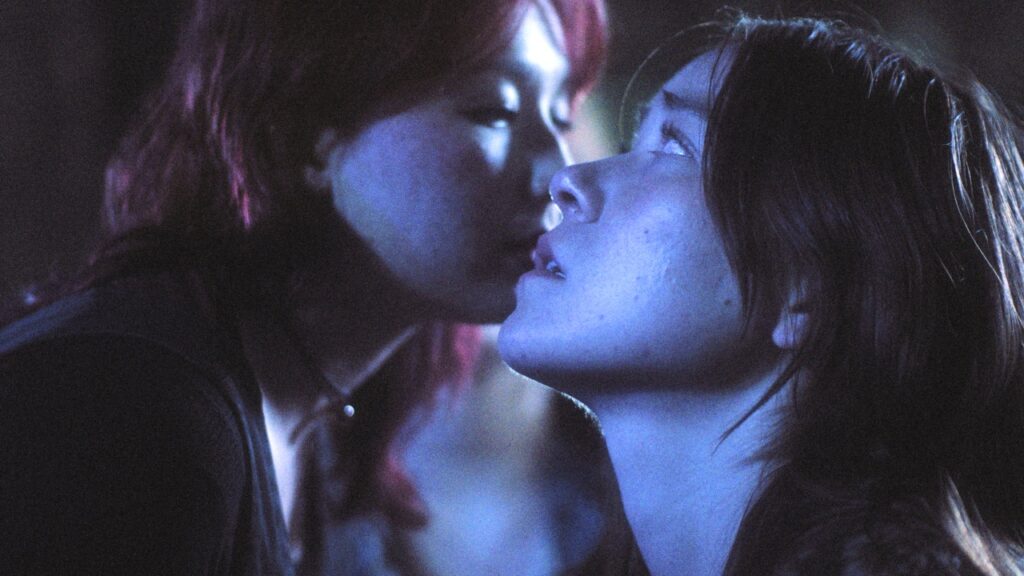
‘Camp’ reimagines witchy horror through a distinctly sapphic lens, embracing queer desire, female friendship, and the messy magic of girlhood.
There is something intrinsically sapphic about witchy horror films. It’s for that reason that movies like The Craft and Practical Magic have held a special place in lesbian hearts, despite being textually straight. That’s one of the many reasons why Camp, the sophomore effort from queer filmmaker Avalon Fast (Honeycomb), is such a refreshing change of pace. Rather than alluding to or teasing queerness, lesbian desire and love are central to the story. “It wasn’t something that I decided to add in later on… I knew that there was going to be that romance, and it had to be gay,” Fast tells GO. This is just one of the ways Fast is rewriting the rules of genre filmmaking, one “girl horror” movie at a time.
In Camp, we are introduced to Emily (Zola Grimmer), a young woman whose life has already been shaped by two devastating tragedies, leaving her convinced she is cursed. Struggling with grief and guilt, she takes her father’s suggestion to accept a position as a counselor at a camp for troubled youth. Once there, she quickly falls in with a group of young women who initiate her into their coven. While she initially finds solace in this newfound sisterhood—and romance with Clara (Alice Wordsworth)—some of their rites take increasingly darker turns, leaving Emily with a choice about which path to follow.
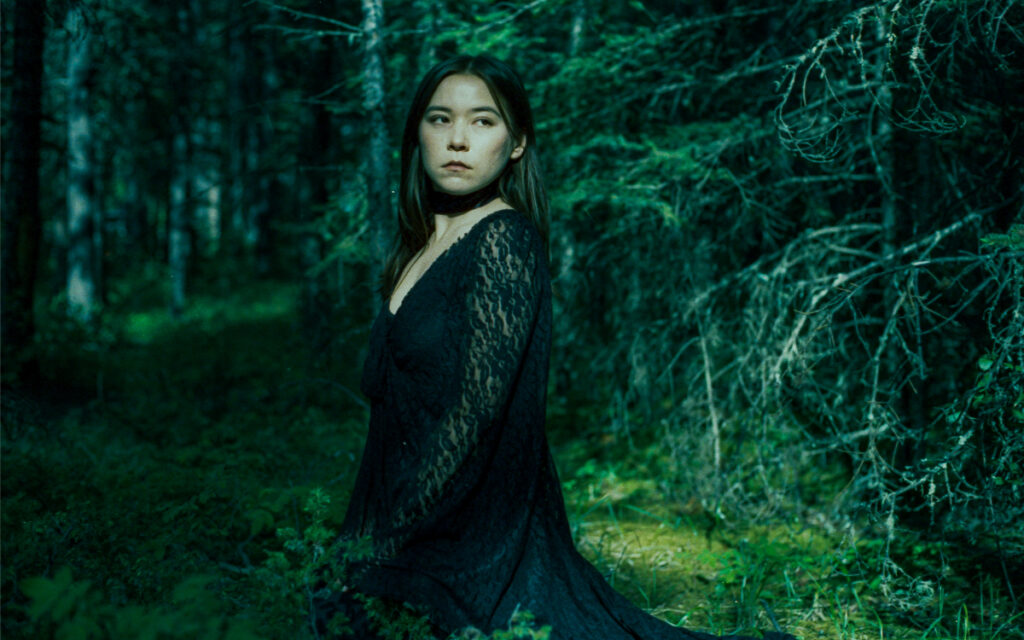
The film is languid, lyrical, erotic, cathartic, and unapologetically sapphic. Fast imbues the world the girls inhabit with dreamy visuals and pops of animation. It’s a unique aesthetic that ties into her self-described subgenre, “girl horror.”
What is “girl horror,” exactly? Even Fast is still figuring it out.
“It really just started with a way for me to describe what Honeycomb was… I think it can mean youth in general, so coming of age. But then, obviously, girl horror does refer to the horrors of growing up female, or just being female in general, or femininity in general,” says Fast.
“To me that’s kind of the epitome of it—that moment you start bleeding, and whether or not… how you feel about that,” she adds.
What it doesn’t mean, however—and something that differentiates it from films like The Craft—is an exploration of hostility between women. While the girls in Camp are no angels, what they are is unfailingly good to one another, which separates girl horror from the more traditional witch narratives.
“I kept seeing these similarities to The Craft, but they’re very different,” they say. “Those girls ultimately were mean to each other… the girls in Camp aren’t perfect, but they’re definitely not mean to each other. Almost never—not to each other.”
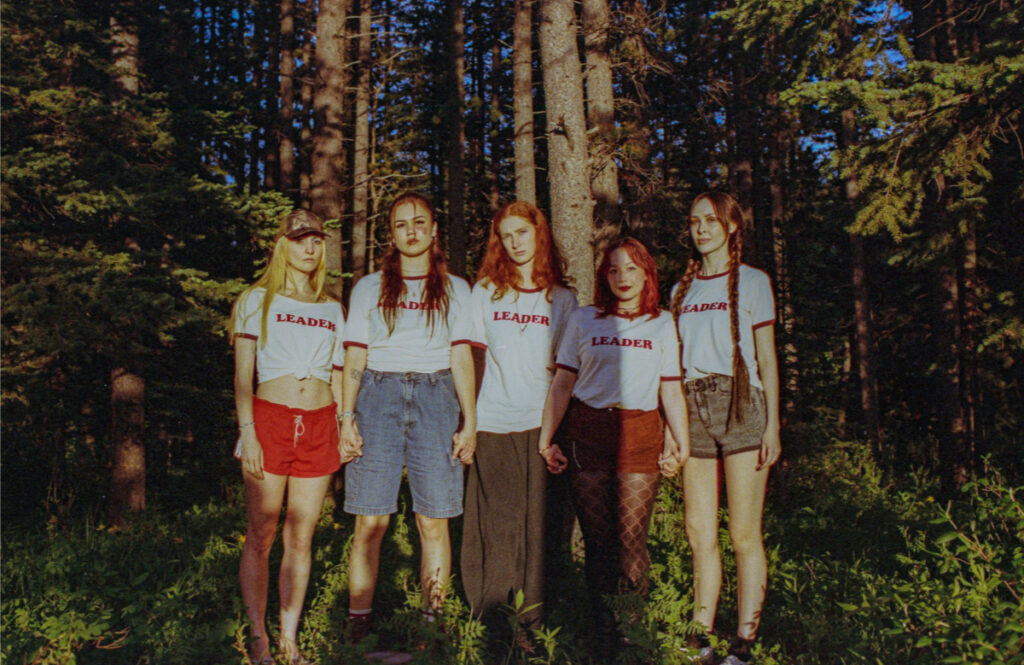
That choice makes the film especially interesting because it sidesteps some of the misogynistic undercurrents that can creep into these narratives. While many witch-centric stories are framed as feminist empowerment fantasies, they’re often still invested in moral absolutes and punishment. Fast’s film is less interested in adjudicating those tired binaries than in exploring what exists beyond them.
Instead, it presents the audience with a coven of morally ambiguous women. Over the course of the film, we see them doing things that are transcendently kind and shockingly evil. When asked if she sees them as villains, heroines, or something else entirely, Fast demurs. “I love when people hate them, and I love when people love them,” she says, adding, “I’m so curious what other people think.”
One thing is certain: Camp will make you think and linger on questions of what it all means. It’s a movie that invites you to engage, explore, and get caught up in its misty, magical world.
Camp arrives on digital platforms July 10. Check out the trailer below.