

At The Center Of It All

For more than four decades, The Lesbian, Gay, Bisexual & Transgender Center has touched nearly every corner of queer life in New York. The Center serves the city with the largest queer population in the world, offering over 30,000 essential, life-saving services. Meet some of the dedicated team behind this vital work.
Featured Image: Keegan Stewart
A transfeminine support group, a Keith Haring mural, a social group for 20-somethings, a public speaking workshop, a COVID test—people come to The Center for different reasons, but they all stay for the same one: community.
Nestled in the tree-lined streets of the West Village, New York City’s Lesbian, Gay, Bisexual & Transgender Community Center is a space where the darkness and hostility of the world fade. Here you can exhale, be the truest version of yourself, and feel at home.
Since opening its doors in 1983 at the height of the AIDS crisis, The Center has evolved to continuously meet the needs of over 700,000 LGBTQ+ New Yorkers, making it possible for the community to not only survive, but thrive. As the second-largest LGBTQ+ community center in the world, The Center hosts almost 4,000 people weekly with over 400 groups spanning education, culture, health, addiction services, art, and advocacy.
“Whether it’s a young person finding community, a survivor accessing safety and support, or someone walking through our doors and realizing they don’t have to navigate life alone, that’s what matters,” says Dr. Carla Smith, CEO of The Center. “Seeing the looks on the faces of individuals who come through our doors for the first time and who feel at home and safe, sometimes for the first time in their lives, reminds me why this place is so important.”
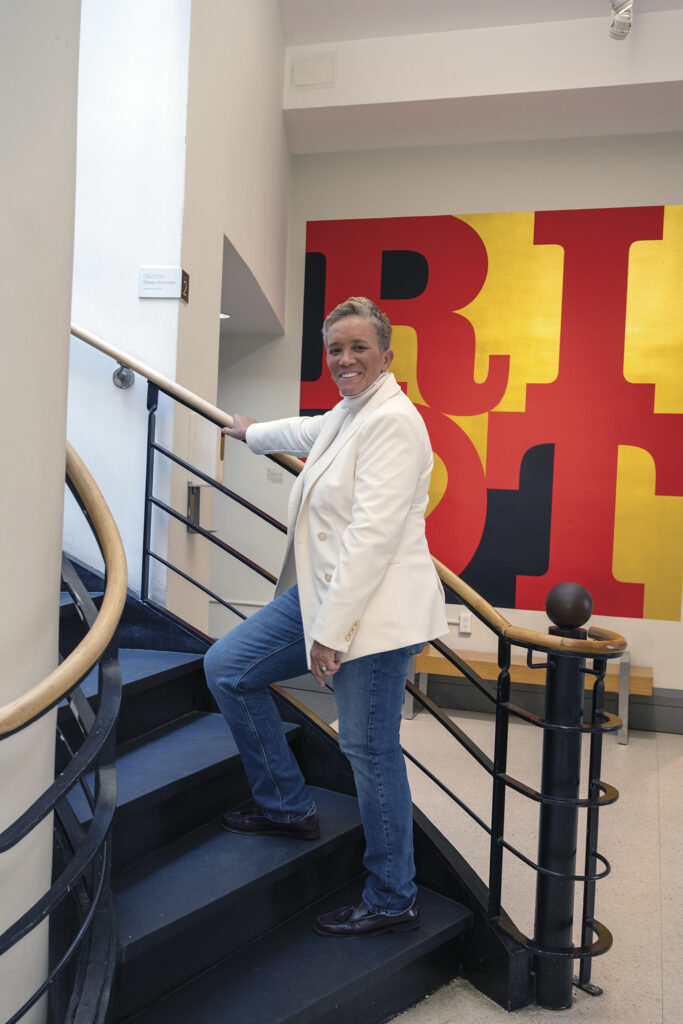
Dr. Smith, who stepped up to lead the organization in February 2024, is the first Person of Color to ever hold the position. She knew that this job wasn’t just about leadership, it required her to lean on her lived experience. “It reinforces my commitment to ensuring that inclusion is not selective; that we are creating space for all of who we are, especially those who have historically been pushed to the margins, including transgender and gender nonconforming people, People of Color, and individuals navigating multiple intersecting identities.”
The Center has long been dedicated to providing services, spaces, and groups for every corner of New York’s queer community—offering the very resources its staff once needed in their own journeys. When Director of Youth Services Peter Karys was a teen in the early ’90s, he remembers how the lack of safe spaces for young people created shame and isolation that made self-acceptance difficult. Once his high school started a GSA, his life changed. “Having that space to be around other youth exploring their identities along with allies and supportive teachers provided me a sense of belonging and made me feel more confident and comfortable throughout my own journey of coming out,” Karys says.
When you walk through The Center’s youth drop-in space, it is clear that self-expression and acceptance are not only encouraged but nurtured. Open from 11 am to 7 pm daily, the space is comfortable with broken-in leather couches, a full bookshelf of queer literature, and walls filled with handmade art. During the week, the youth center hosts discussion groups, queer art talks, sex education, gaymer nights, karaoke time, and much, much more.
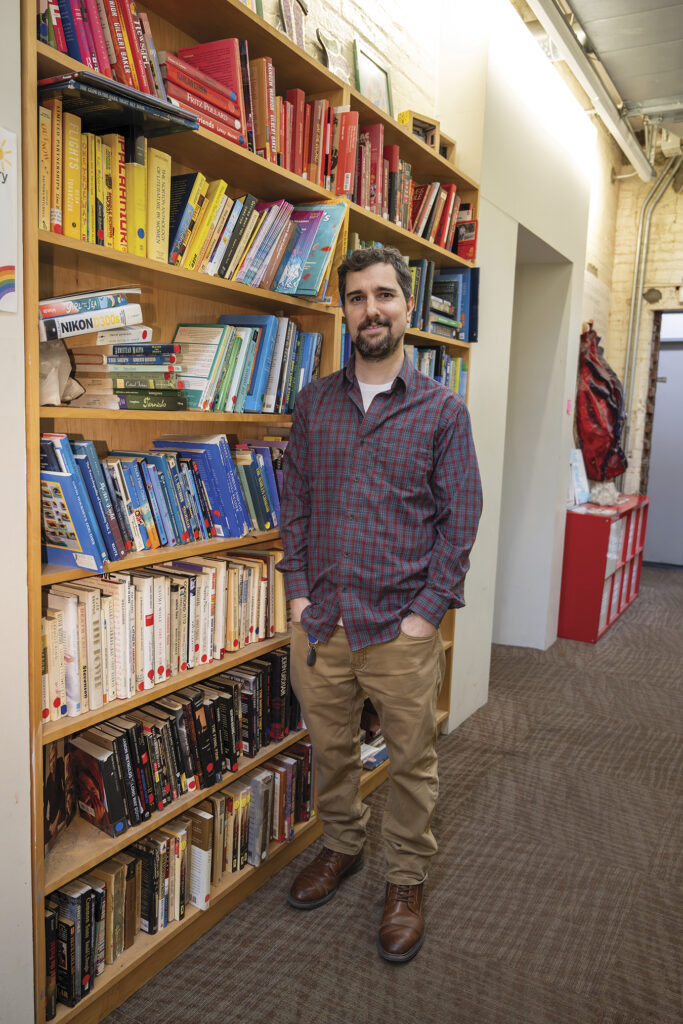
Over his 13 years at The Center, Karys has gotten to see youth participants grow into adults who go on to lead and contribute to the community—some have even become his colleagues at The Center. “Having the opportunity to join [The Center’s youth program] felt like a full circle moment, to now be in that position and support the youth in the community the way that I felt supported as a teenager,” he says.
It isn’t just the youth wing whose walls are draped in art, the entire building is plastered with paintings, writing, and images of the movements and activists that shaped the community. The Center features a permanent collection of paintings curated in 1989 to commemorate the 20th anniversary of the Stonewall Riots. Fifty artists came to The Center and were given walls to paint directly on. Keith Haring, prolific artist and activist, took over the four walls of the men’s bathroom. In what would become one of his last pieces before dying of complications of AIDS, Haring painted “Once Upon A Time,” an erotic, political, and moving mural capturing the beginning of the HIV epidemic. The mural stands untouched today and is open for public viewing.
Alongside the permanent collection are exciting rotating exhibits featuring work from queer artists. Behind the current curations is Yohon Tatum, The Center’s community events coordinator. One of his recent curated exhibits Transcendent Reflections: Where The Body Speaks, features work from trans, nonbinary, and gender nonconforming artists who created life sized self-portraits using body mapping.
“Having navigated spaces where visibility, access, and affirmation were not always guaranteed, I carry a strong sense of responsibility to help create environments where people feel seen, supported, and valued from the moment they walk through the door,” says Tatum.
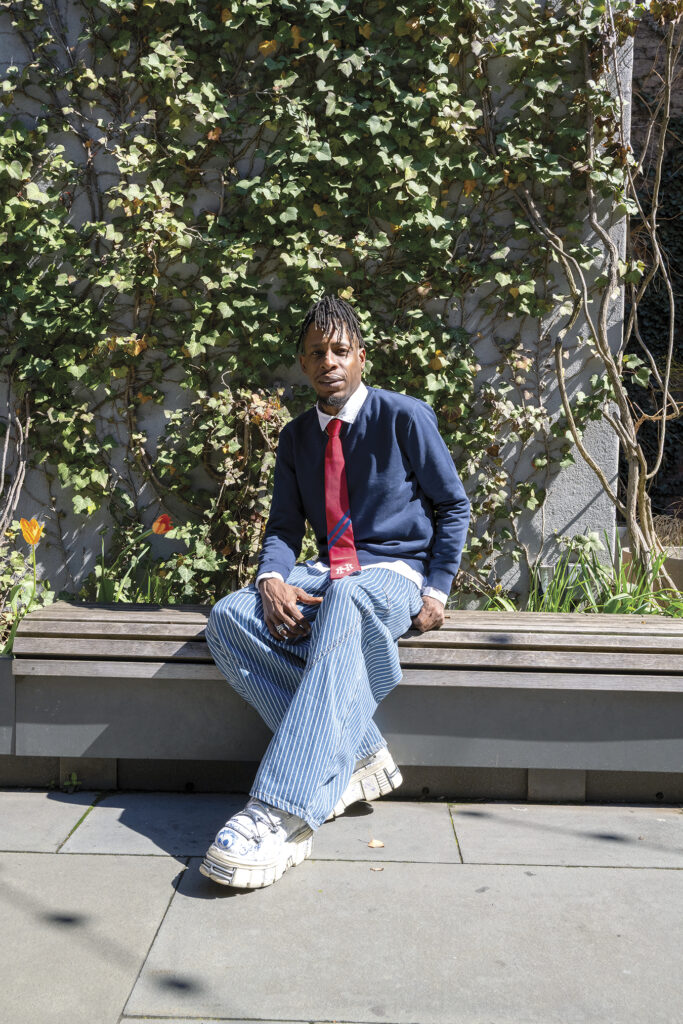
In addition to curation, Tatum is responsible for planning the events that engage the full LGBTQ+ community. At this year’s Transgender Day of Visibility celebration, Tatum received a proclamation from the Public Advocate’s office for his dedication to community work. Tatum sees his work as a part of a bigger lineage of community advocates—Bayard Rustin, Marsha P. Johnson, and James Baldwin. “Their lives continue to inspire me and affirm that my work is part of something much larger than myself.”
The Center’s events take a village to put on, but they have an eager team ready to work. Aynsley Leonardis, special events manager, is grateful to have the teammates she has at The Center. “Putting on an event of any size takes incredible teamwork and dedication, and I’m lucky to work with colleagues who are collaborative, supportive, and passionate about our shared goals,” Leonardis says.
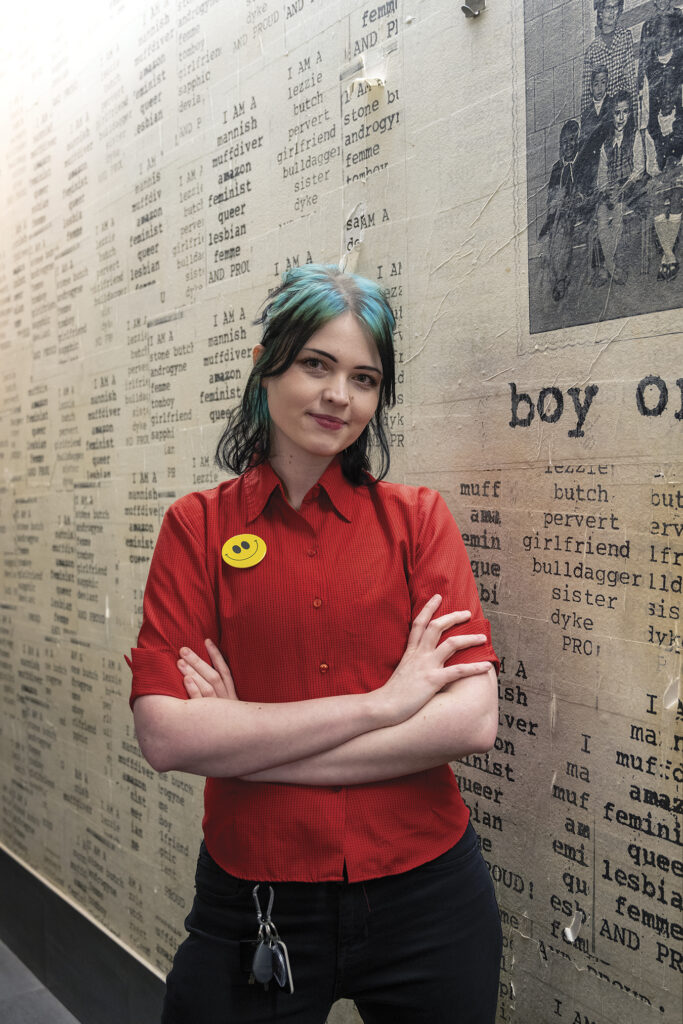
“But the real highlight for me is being present with our community at the events themselves—whether it’s a fundraising gala for 800 people or a dance night for 100,” Leonardis says. Being both nonbinary (she/they) and queer, Leonardis has always searched for community, whether that’s at My Chemical Romance shows, the Brooklyn Independent Comics Showcase (the convention that they co-founded), or at The Center. “I’ve always believed in the power of community to make the world feel a little brighter, especially during challenging times,” Leonardis says.
With all of the events, programs, and services The Center provides and produces, the money fundraised by the community must be efficiently managed—enter Arlu Gomez. When the accounting manager of accounts payable found his way to The Center in 2024 to see the Keith Haring mural, he left thinking about the warmth of the people he encountered at the front desk, visited The Center’s website, found a serendipitously timed job posting, and the rest is history.

While his position involves less face time with the community, he feels honored to do the unseen work that upholds the institution. “Whether it’s improving processes or supporting the team behind the scenes, it feels meaningful to help create the conditions for the organization to do its best work in the community,” Gomez says.
Beyond community outreach and programming, The Center is also committed to advocacy work, leading and organizing a statewide coalition called RiseOut. The group works with more than 50 LGBTQ+ organizations from all over New York State to advocate for those most impacted by systemic oppression.
Vladimir Martinez, a New York City native and son of an immigrant family, grew up watching how policy decisions, made far from his neighborhood, affected his community’s access to healthcare, housing, safety, and opportunity. “There were moments when systems failed people I love, not because solutions didn’t exist, but because there wasn’t enough advocacy ensuring those solutions reached us,” says Martinez.
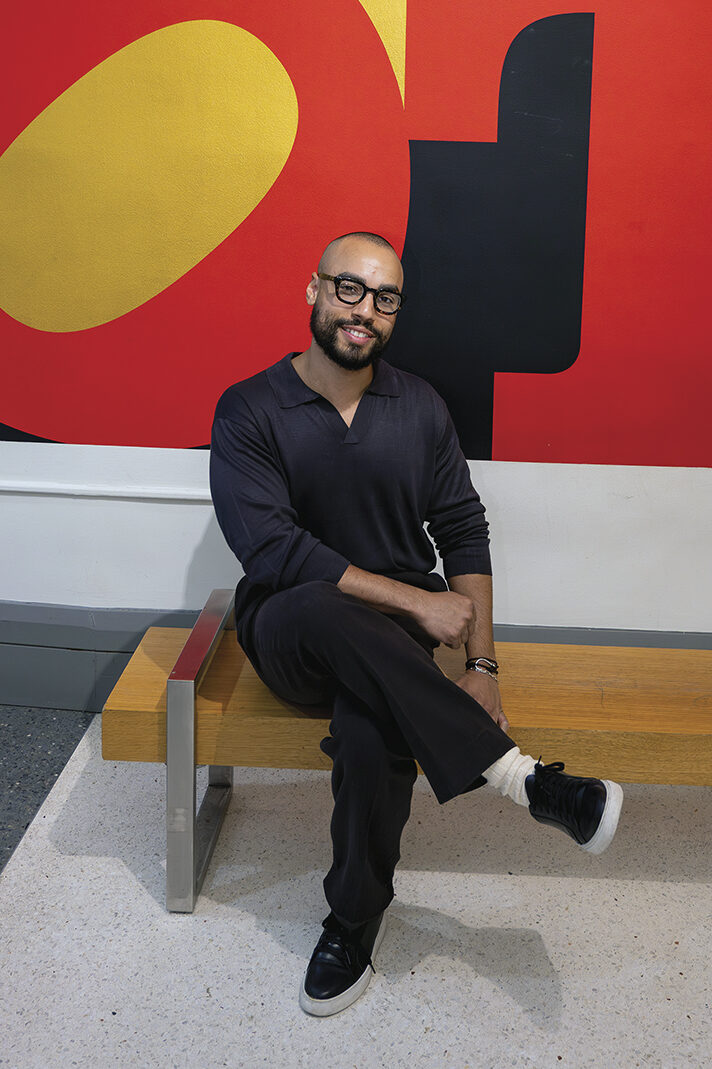
Joining The Center as the managing director of government and community affairs allowed him to operate at the intersection of government, community, and strategy to advocate for actionable policy that creates tangible outcomes for all New Yorkers. “Ultimately, what inspires me is the opportunity to shift systems—so that the next generation doesn’t have to fight as hard for the same dignity, care, and recognition,” Martinez says.
Recognition is a huge piece of The Center’s mission. Whether it’s reflecting the needs of marginalized community members in advocacy work, building responsive programming, or creating healthcare programs by and for gender nonconforming people, The Center wants every person who walks through the doors to see themselves reflected, catered to, and understood.
Lisa Donahue, The Center’s medical director, saw herself reflected in a transfeminine support group she attended at The Center before her transition, helping her find both community and the inspiration to start transitioning. Since then, she has worked to create a culture of care that is “clinically strong and fully affirming, where people feel seen without compromise,” Donahue says. From counseling and legal support for victims of intimate partner violence to over 50 life-saving 12-step programs that center on harm reduction and flexibility, The Center’s services meet the community where they are; anywhere that might be.
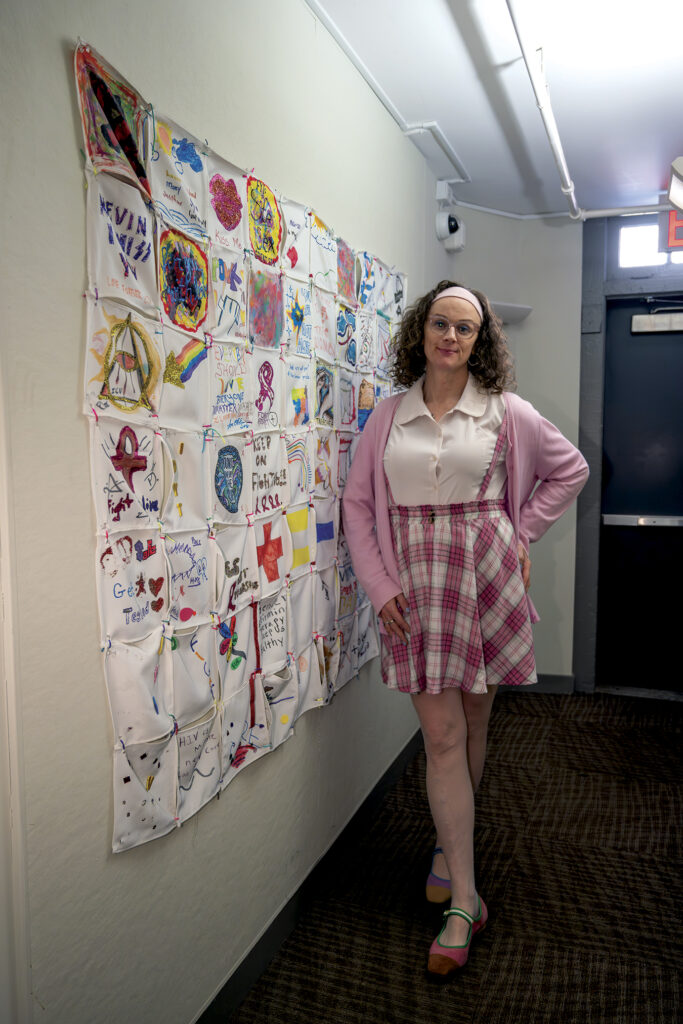
Donahue finds that her identity as a trans woman can help clients feel more affirmed and safe in their own gender expression. “One of the most meaningful parts of my work is when a client feels safe enough to share their gender identity for the first time. Being able to create that space as an openly trans clinician is a real privilege,” she says.
Across the beautiful courtyard from the medical wing and up the stairs is one of the most significant collections of LGBTQ+ history in the country, The National LGBT History Archives. Accessible through the Pat Parker/Vito Russo Center Library located on The Center’s third floor, the archive is a testament to queer history, preserving the stories, organizing strategies, and lived experiences that have shaped the present.
Martinez finds that the archives are key to moving through the tumultuous and terrifying political moment that we are in. “There are lessons in those materials about how communities organized under pressure, how they built political power, and how they navigated moments of backlash. Knowing that history helps ensure we’re not repeating mistakes, but instead building on proven strategies,” he says.
As LGBTQ+ rights face renewed threats across the country, The Center and its resilience as an organization should serve as proof that the queer community has survived before and will continue to do so. “This is an institution born out of crisis, created at a time when our community was being abandoned and sustained by people who refused to let each other disappear,” Dr. Smith says.
The Center is located at 208 West 13th Street and is open Monday-Saturday from 8 am to 10 pm and Sunday from 8 am to 8 pm. Find out more about The Center’s services, programs, and events at gaycenter.org or on Instagram @lgbtcenternyc.
GO’s Senior Associate Editor, Abbie Thompson, is a journalist based in NYC. Her work focuses on all things queer entertainment and human-focused LGBTQ+ stories.