

Be Gay, Do Crime: How ‘Monster’ Turns Lizzie Borden’s Lesbian Desire Into Rebellion
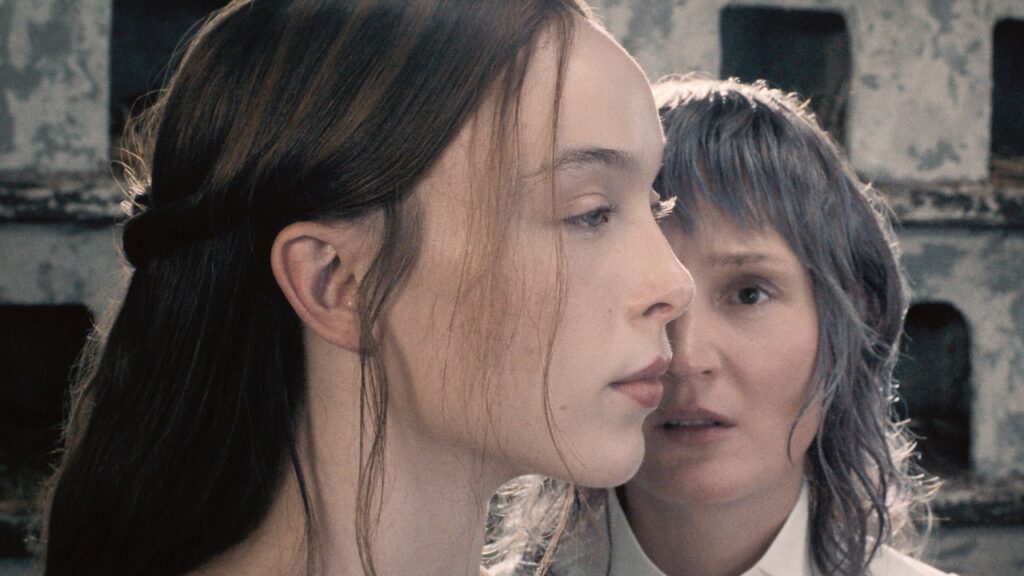
Ella Beatty, Rebecca Hall and Charlie Hunnam discuss the lesbian relationship, abusive family dynamics and “monstrous” women at the center of Netflix’s new series.
In a world designed to control women, desire can be dangerous. It might even make you pick up an axe and kill your oppressors with 40 whacks.
It’s a provocative idea, and one that Monster: The Lizzie Borden Story, explores in an equally poignant and camp fashion. Loosely based on the real-life story of Lizzie Borden, an American woman who became infamous after being tried and acquitted for the 1892 axe murders of her father, Andrew Borden (Charlie Hunnam), and stepmother, Abby (Rebecca Hall), her story has been the subject of countless adaptations, many of which have hinted at her rumored lesbianism.
Here, Lizzie’s sapphic awakening isn’t just about discovering desire. It offers a glimpse of freedom from the extremely repressive life she is living, both in Victorian society and within the walls of her home, where Abby rules with a cruel iron fist and her father, Andrew, seethes with misogynistic resentment. But when Bridget (Vicky Krieps), a new maid whom the family insists on calling Maggie, enters Lizzie’s home, she brings with her a worldliness and sense of all-out rebellion. For the first time, Lizzie gets a glimpse of a different life: one of freedom, power, independence and, yes, lesbian desire.
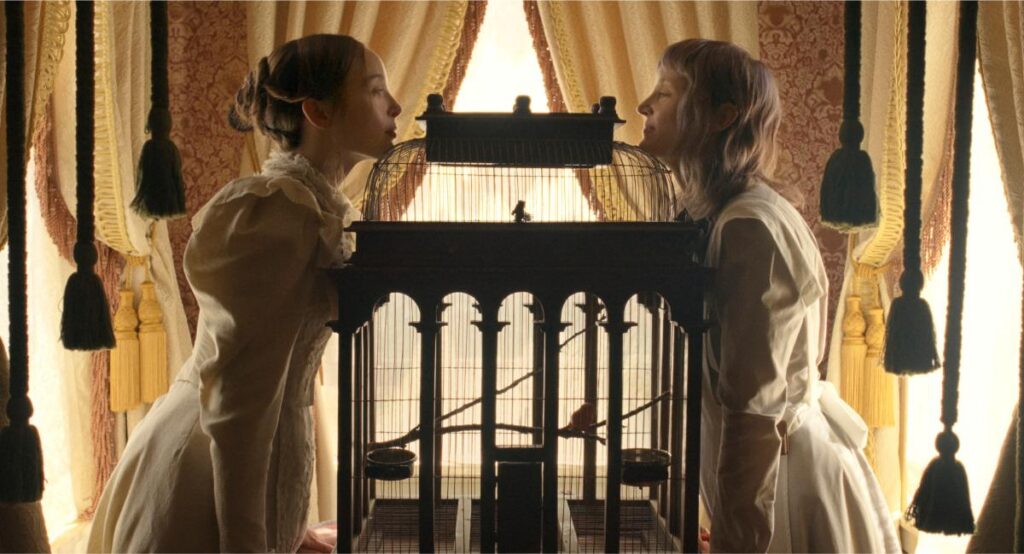
Ella Beatty, who stars as the titular Lizzie, recognizes how powerful self-discovery can be for someone, particularly if they have been sheltered and oppressed their whole lives. “[It] can really reorganize the chemicals of our brain and body and spirit,” Beatty tells GO. “Vicky’s character changes [Lizzie’s] entire worldview and scope of her own life … and her coming into herself as a woman and as a sexual person … frankly, it is complicated and rage is a big part of it.”
Transformation from meek and mild into a woman with (albeit murderous) agency is absorbing to watch, but Bridget is a deeply fascinating antiheroine whose allure is obvious and whose motives are suspect in a way that demands to be unpacked. It bristles with eroticism and humor—a steam-powered dildo straddles (pun not intended) that line perfectly. The show weaves together a tapestry of the monstrous feminine through history, painting a transgressive, irreverent and often punk, deeply feminist tale of villainy through the ages. It’s compulsively watchable as it knits together the sumptuous joys of a lesbian period piece with the wickedly addictive pull of a true crime story.
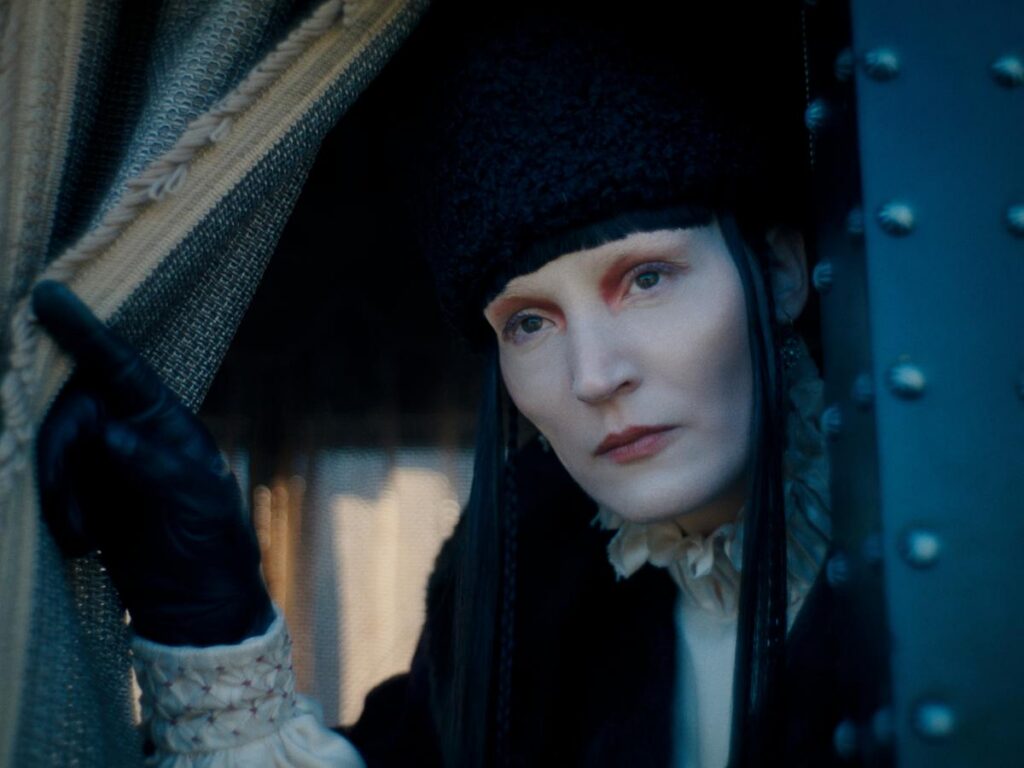
Despite the bloody legacy of Lizzie’s story, in Monster, the beating heart of the show is the relationship between these two women. Beyond desire, in Bridget, Lizzie finally finds someone who treats her with kindness and respect, and that proves to be not just meaningful but revelatory.
“Bridget is a person who is completely unconfined by the kind of societal rigid standards and oppressive weight that Lizzie has been so familiar with, and she’s someone more than anything who treats her with a kind of soft touch,” explains Beatty. “That can be such a transformative experience to be really loved and really seen. It can really change you.”
But understanding what is possible in the abstract, and what is possible for Lizzie if her life continues as it is, under the thumb of two abusive parental figures pushing her inevitably into a loveless and equally controlling marriage, are two very different things. And in the tension between those two opposing fates, and one very cruel incident, is the spark that leads to violent rebellion. Because Bridget doesn’t just represent love or desire to Lizzie, but freedom, by any means.
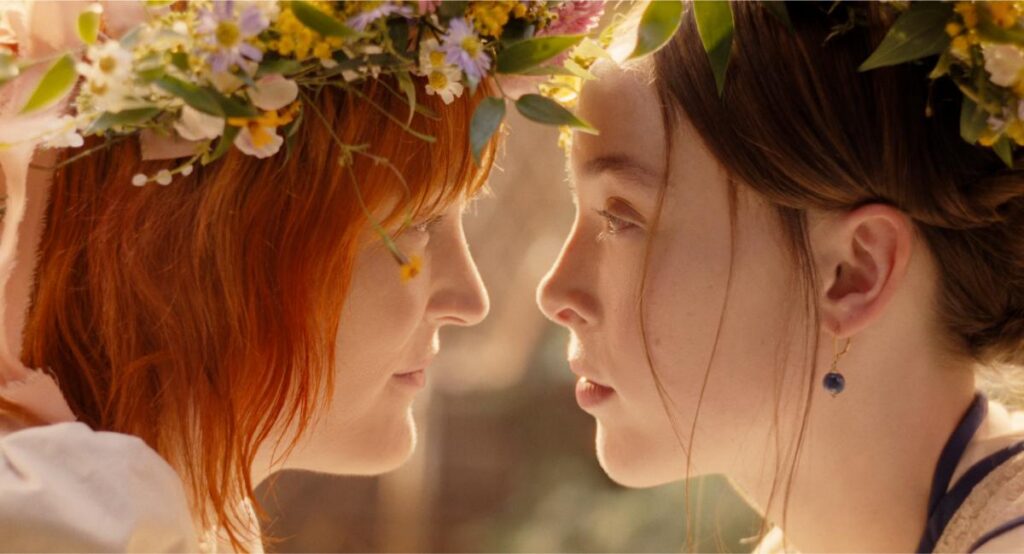
It’s a theme that runs throughout the series, as Hall points out: “you have like a series of women in various different cages and pressure cookers all like exploding in different ways from different types of abuse,” she tells GO, adding, “the oppression and repression of women is right at the center of this.”
In this adaptation of the story, Abby is a complicated, if deeply cruel, woman. She is both mustache-twirlingly evil in one moment, gleefully cutting down her stepdaughter or destroying the thing she holds dearest, and tragic the next, when you see how she, too, is trapped in a gilded cage and unable to connect with anyone in her life in a real way.
“I also think both [Abby and Lizzie] desperately want something from each other, and they can’t get it right,” Hall explains. “Lizzie desperately wants a mother, and Abby just wants people to pay attention to her… there is a sort of tragedy there that the two of them want so much from each other and they can’t get it.”
“Two things can be true,” she adds.
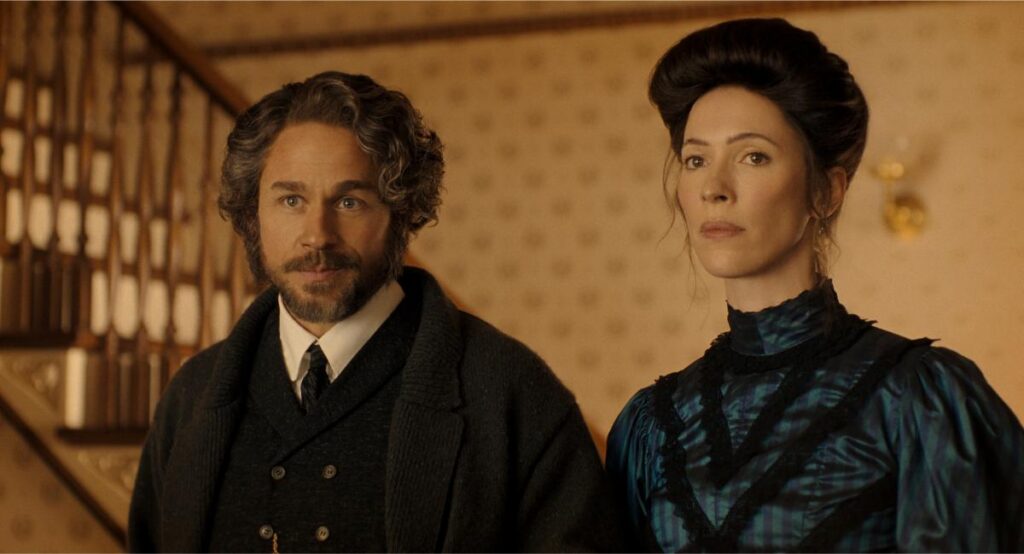
This idea of competing truths extends to Andrew. Patriarchy may afford him far more freedom than the women around him, but in Monster, it has left him trapped in his own particular cage. A widower remarried in a loveless marriage, he is surrounded by women and literally seething with resentment over his lot in life, despite living in a time and place, and with the means that should provide him with absolute freedom. His cage is different from those of the women in his life, but it is a trap nonetheless.
“He just finds himself a prisoner of his own grief and rage and resentment, and bleeds that out over everyone close to him,” Hunnam tells GO. “It was a marriage of convenience that he was unequipped to raise the two surviving daughters from his first marriage… It was motivated by fulfilling a need to have a mother figure and somebody to run the household and to raise these daughters. But it was not the way to enter into matrimony, and ended up just being this broiling, melting point of resentment and hatred towards each other.”
Against that backdrop, Bridget’s arrival becomes the catalyst for something in Lizzie that has been waiting to break free. She awakens parts of Lizzie she never could have fathomed and offers her a glimpse of a life unyoked from abuse, obligation and repression. Once Lizzie has seen what freedom might look like, what follows feels almost inevitable, if not justifiable.
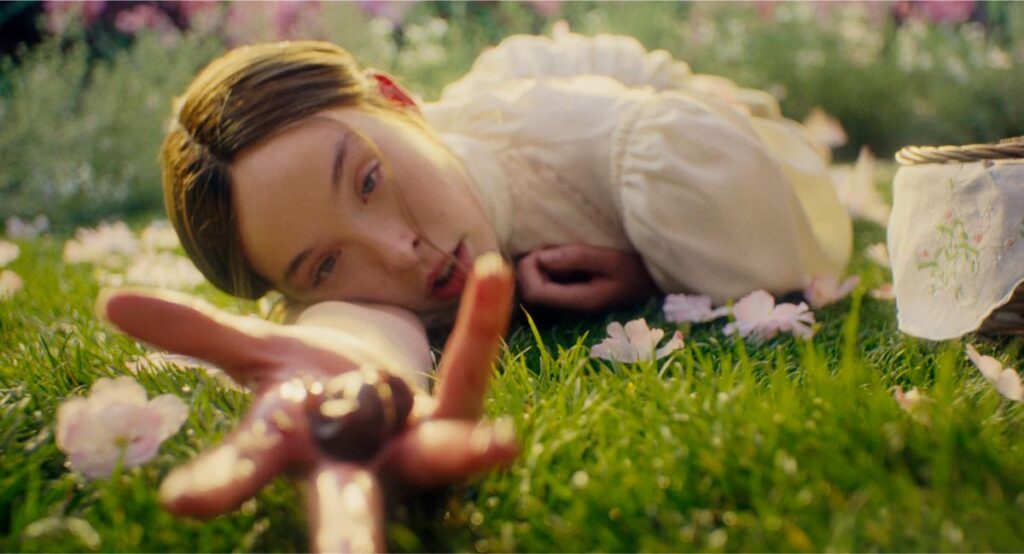
And that brings the series back to the question Monster has continually returned to over the course of its four seasons: What makes a monster?
For more than a century, Lizzie Borden has been branded a monster. While the show doesn’t seek to adjudicate whether or not that’s true, it does raise fascinating questions about what might drive a person to behave monstrously—and whether understanding the forces that shape a person can change the way we see them. That, Beatty says, is ultimately the point.
“There’s a big evolution in that question from something like Dahmer to Lizzie Borden. Those seasons are asking really different questions,” she notes. To Beatty, this season is an exercise in compassion and empathy. “[The] why is really important, and obviously still so relevant to us. Interrogating Lizzie Borden’s story still feels really relevant to a lot of people, so I think we’ll keep asking those questions probably forever,” she concludes.
Monster: The Lizzie Borden Story is streaming now on Netflix. Check out the trailer below.