

Beyond the Headlines: Exploring LGBTQ+ Minneapolis and St. Paul
ICE came to the Twin Cities, but didn’t freeze Minneapolis and St. Paul’s LGBTQ+ communities. That same spirit welcomes visitors today with the unapologetic Pride and fierce sense of community the cities are known for.
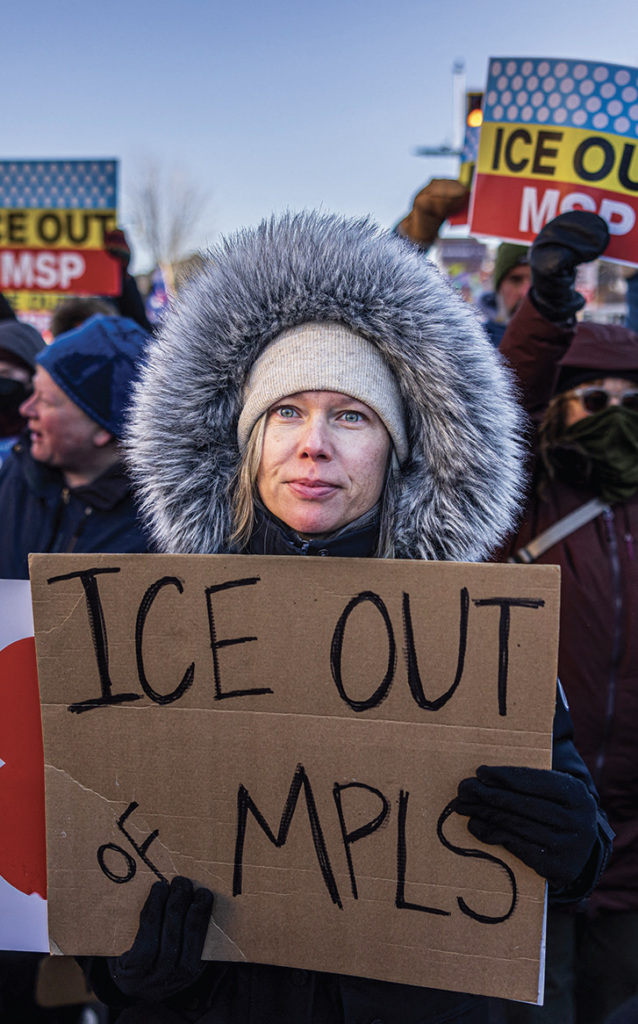
Minneapolis made international headlines last winter during a large-scale federal immigration enforcement operation that brought an intense and highly visible ICE presence to the city. On snow-blanketed streets, two civilians were killed in separate encounters with federal agents. The deaths of Renee Good, a queer poet, spouse, and parent, and Alex Pretti, an ICU nurse, were deeply felt across the community.
In the months since, residents have shown up for one another in ways that were far more powerful than the images that dominated the news. Minnesotans became the defining example of how to support neighbors, gather in community spaces, join together in protest and song, and keep daily life moving forward.
Now, as the seasons have shifted, visitors may find themselves newly curious about a place they saw in the news. What you’ll find in Minneapolis and St. Paul is more complex than that—and it always has been. Beyond the region, these cities have long been defined by a snowy reputation, but recent events have revealed something more. The Twin Cities are communities where neighborliness is a daily practice, even under pressure—something best understood in person.
Some of the clearest examples of that neighborliness came from small businesses, many of them queer-owned or staffed. At A Bar of Their Own, Minneapolis’s women’s sports bar, the response was immediate. When schools closed and families needed somewhere to go, the bar opened its doors to them. This casual neighborhood hangout became a community hub. Across the city, other businesses stepped into similar roles. Smitten Kitten, the sex-positive shop, became a donation center, organizing mutual aid efforts and redistributing resources. In St. Paul, Mischief Toys & Games, a toy store on Grand Avenue, took a public stance and continued operating despite being targeted for it. In South Minneapolis, Post Modern Times—formerly Modern Times Cafe—began operating on a donation-based model and serving meals at no cost. It’s now transitioning to become a fully nonprofit organization.
A Bar of Their Own owner Jillian Hiscock says the bar opened its doors to families because she wanted to create a safe place for everyone “to kind of take a collective deep breath,” she told GO. The bar also hosted food and supply drives, helped with mutual aid, and handed out whistles used to warn people when ICE officers were nearby.
“I think it’s not a surprise to anybody that it’s women- and queer-owned businesses that continue to lead the way,” Hiscock says. “We are folks that are used to having to stand up to oppression [in] a lot of different ways, and this was quite simply just another way for us to flex those muscles.”
The Twin Cities are generally safe, requiring the same level of awareness you’d bring to any major metro. The large federal presence that defined much of this past winter has since scaled back, and while demonstrations continue, they look different from what you may have seen on the news. While there’s no haze of smoke or constant sirens, there are visible gatherings of people showing up for one another and making their voices heard. Over the summer, large, peaceful rallies drew hundreds of thousands of people, alongside smaller ongoing efforts to support communities as immigration enforcement continues at a lower profile.
Across Minneapolis and St. Paul, that spirit of solidarity shows up everywhere from bookstores and bars to parks, galleries, farmers markets, and late-night dance floors—many of them having served as anchors for the LGBTQ+ community. Together, they present a different way of looking at the Twin Cities than any travel guide could.
Where the City Gathers
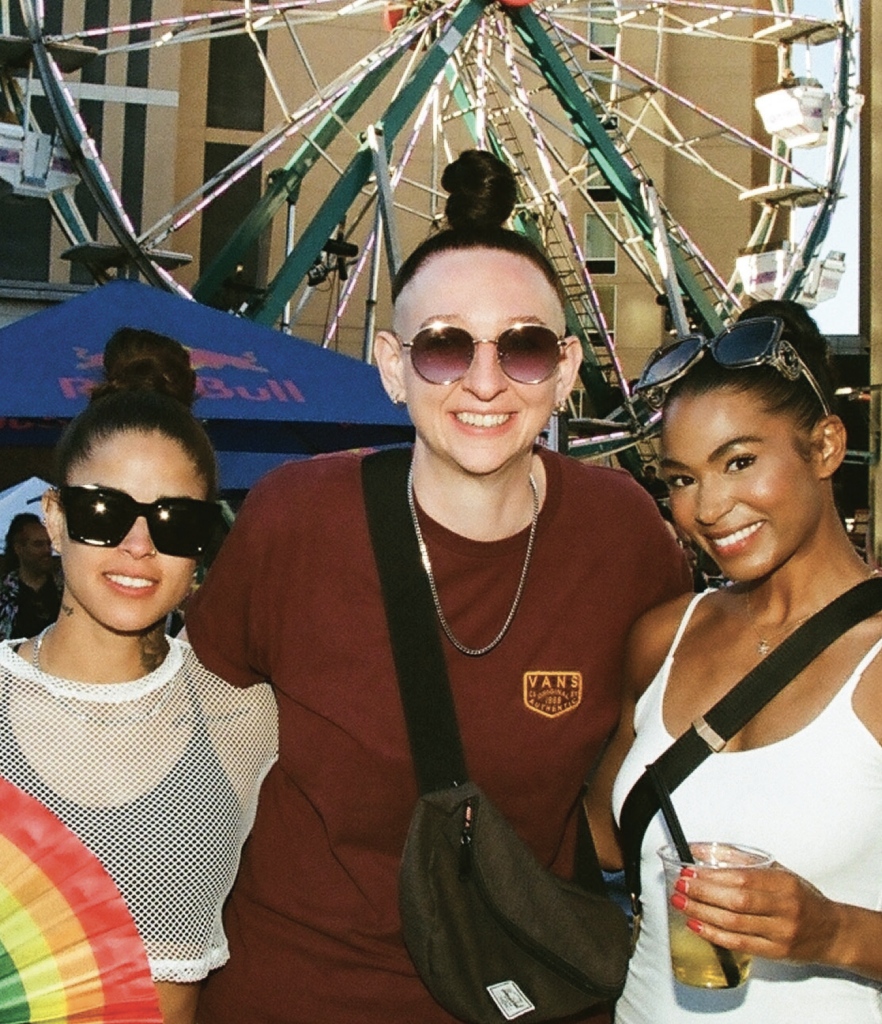
Each June, the Twin Cities Pride Parade marches along downtown Minneapolis’s central artery, Hennepin Avenue, before spilling into leafy Loring Park, where drag performances, beer gardens, dance parties, food vendors, and families stretch across the grass and transform the city center into a giant public gathering space. Pride here carries a distinctly different energy than some of the larger coastal celebrations. It’s large enough to feel electric but small enough to run into people you know. It has less corporate sheen—especially after a very public split with one of its major sponsors in 2025—and more homegrown charm.
When the ICE surge in Minneapolis started, “there wasn’t a hesitation” before the organizers turned the Pride Cultural Center into an emergency food pantry that fed more than 10,000 families and gave the community a safe space to gather. “To a fault sometimes, we don’t always assess the risk, and we just jump in and do and battle it out as it comes,” says Twin Cities Pride Executive Director Andi Otto.
This year’s Pride celebration was in the unique position of offering a comforting place for the LGBTQ+ community to come back to after a challenging year. “I think that is one of the unique things about our festival in particular,” Otto says. “It’s always been about bringing community together, and it’s what this community needed. [It] was a place to come together in celebration, not mourning or a battle. This year, to see the smiles and just the joy on people’s faces was pretty incredible.”
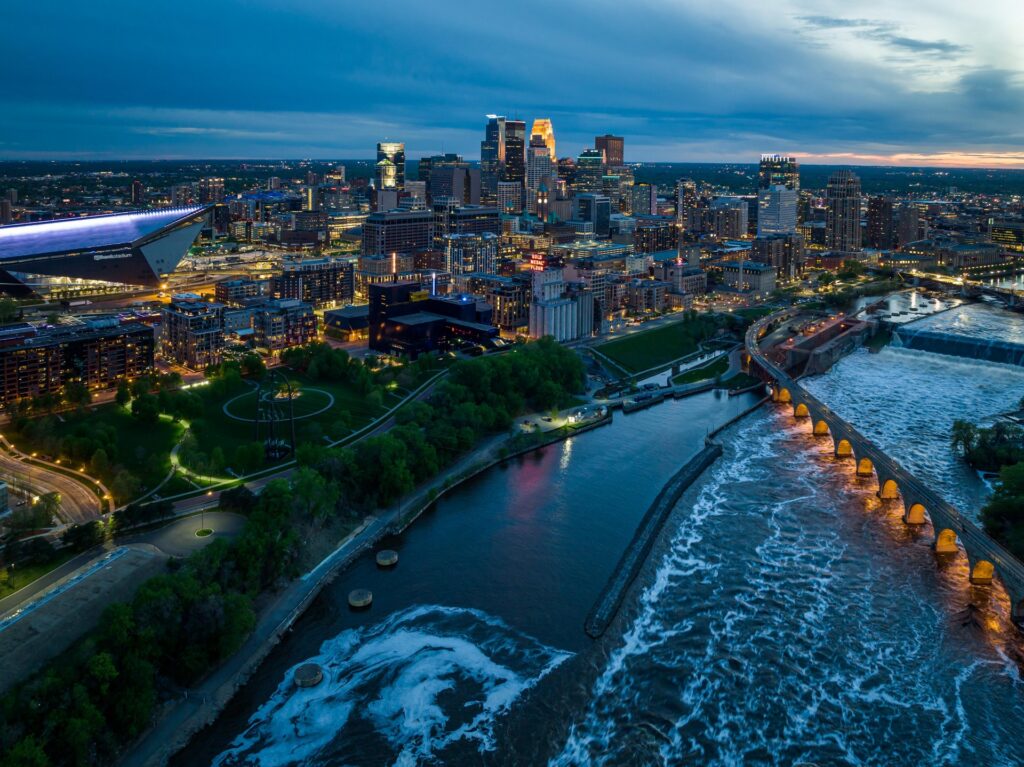
There are so many ways to gather in community, well beyond Pride weekend. On summer Saturdays, crowds pack the Mill City Farmers Market overlooking the Mississippi River and the glorious Stone Arch Bridge, roving among flower and produce stalls and prepared food stands with iced coffees in hand. Among the rotating lineup of vendors, Chef Shack—one of the city’s pioneering food trucks, owned by a sapphic couple, Lisa Carlson and Carrie Summer—has become a local institution.
Women’s sports have become another major center of lesbian public life in the Twin Cities. The aforementioned A Bar of Their Own regularly fills with fans watching Lynx games beneath televisions dedicated entirely to women’s sports, with beer on tap and a life-size cutout of Billie Jean King standing watch nearby. At Target Center, Minnesota Lynx games often feel less like sporting events than reunions, with rainbow flags, LGBTQ+ couples, longtime season ticket holders, and entire families filling the stands. The community-owned Minnesota Aurora FC has built a similarly devoted following at TCO Stadium, while the Minnesota Frost’s 2025 Walter Cup championship cemented the city’s deep attachment to women’s hockey.
But the biggest gathering of them all has to be the Minnesota State Fair. The “Great Minnesota Get-Together” is one of the country’s great democratic crossroads, where musicians, butter sculptors, crop artists, suburban families, and farmers all somehow coexist over buckets of cookies and deep-fried food each August. The fun doesn’t stop when it’s cold either. St. Paul’s Winter Carnival brings residents outdoors, deep in winter, for ice palaces, parades, burlesque, and royal celebrations that are a testament to hardy Minnesotans’ winter grit.
When the sun goes down, nightlife in the Twin Cities tends to spread outward rather than collect in one central district. Some nights start with ice cream and cocktails at Fletcher’s, the Northeast Minneapolis hangout. Others drift toward dive bars, where karaoke holds forth as one of the city’s most enduring forms of nightlife, and meat raffles are really a thing. Yes, it’s a raffle, and yes, the prize is raw meat. (If you’re playing in warmer months, bring a cooler to preserve your winnings.)
If you do want to dance, there’s plenty of that, too. The legendary gay bar Saloon has been serving the Minneapolis community since 1977 and LUSH Lounge & Theater hosts drag performances almost every night of the week. Parties like GRRRL Scout and Mature Content create spaces centered specifically around queer women and trans communities. Mature Content, an early-evening dance party geared toward folks who don’t necessarily want to stay out until 2 a.m., takes place at a South Minneapolis restaurant just steps from the intersection where Pretti was killed this winter. On any given night, people around that corner might move between his memorial site, a neighborhood restaurant, and a crowded dance floor within the span of a block.
While ICE and Border Patrol were roaming the streets, gathering together felt dangerous because a “conflict with ICE officers was at the forefront of our minds,” GRRRL Scout founders and operators Kristen and Jack say. But they haven’t let that fear stop them from providing a fun and safe place for the LGBTQ+community to come together. “In many ways, continuing to gather there became an act of quiet rebellion—we would not be pushed into hiding,” they say. “Being together reminded us that queer joy, community, and visibility are forms of resistance. In a moment when so many felt untethered, creating space to reconnect felt incredibly important.”
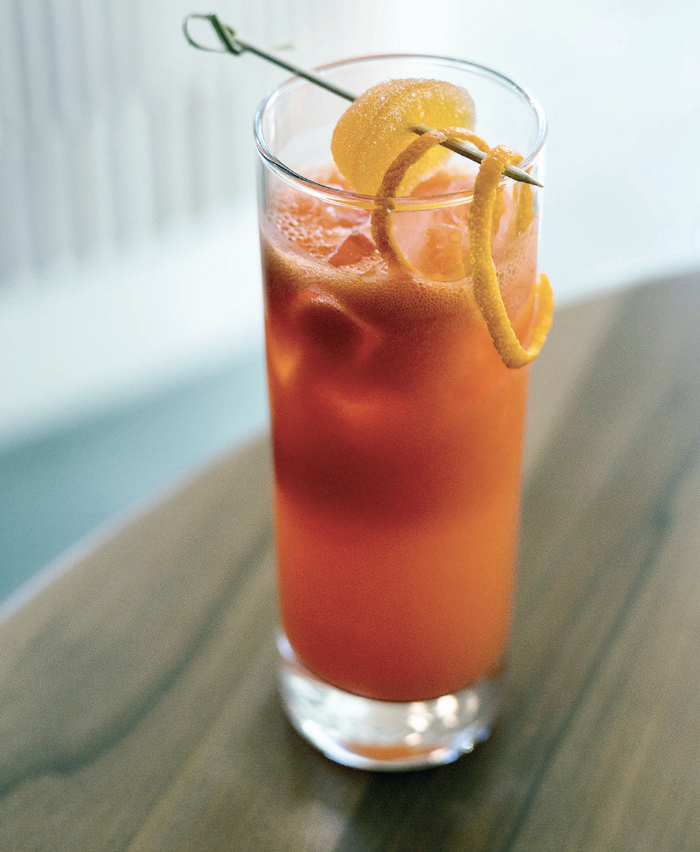
Queer and trans-owned Minneapolis adult toy shop Smitten Kitten also launched a grassroots fundraising effort to raise money for families in need and teamed up with GRRRL Scout to give people an escape with their Dildo Bingo events. “They mobilized quickly, collecting and distributing funds directly to people who needed immediate support, ensuring resources reached the community without delay,” Kristen and Jack say of Smitten Kitten. “They were our partner for Dildo Bingo, and the event wouldn’t have been the same without their support.”
Where Creativity Blooms
Art in the Twin Cities doesn’t stop at museums and theaters, though the city’s major cultural institutions are excellent places to start.
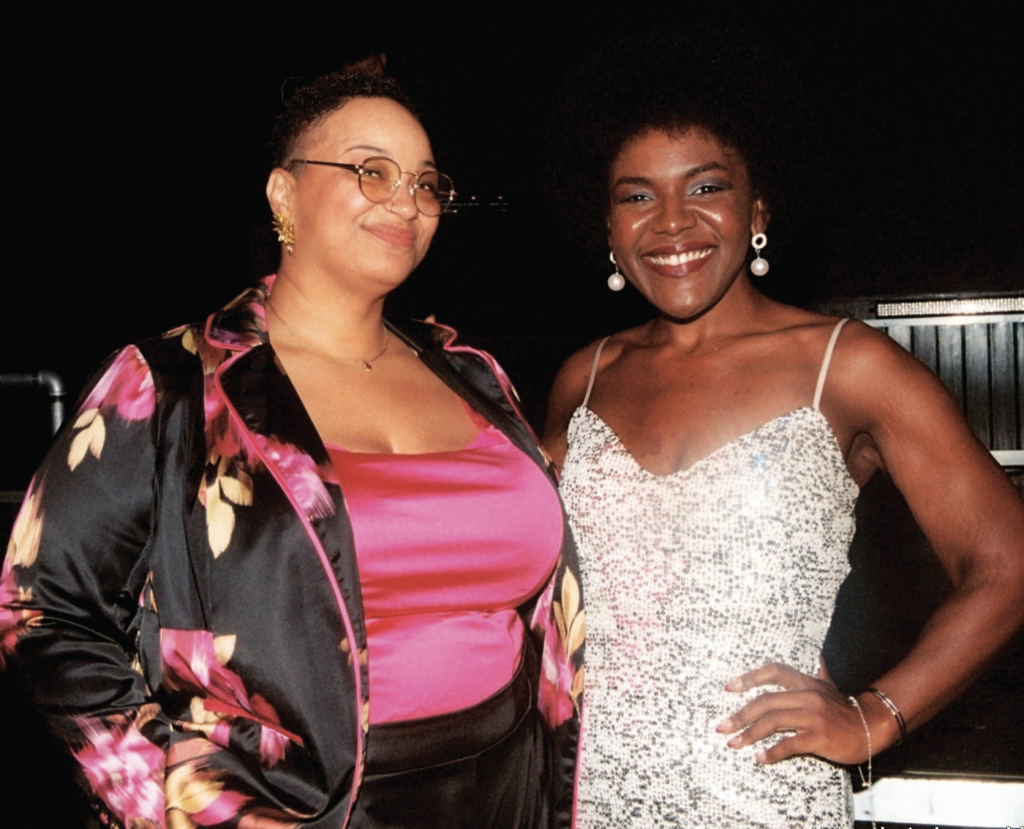
Along the Mississippi riverfront, you’ll notice the imposing silhouette of the Guthrie Theater, one of the country’s most important regional theaters, which last summer produced an acclaimed run of Cabaret starring New York-based actor Jo Lampert.
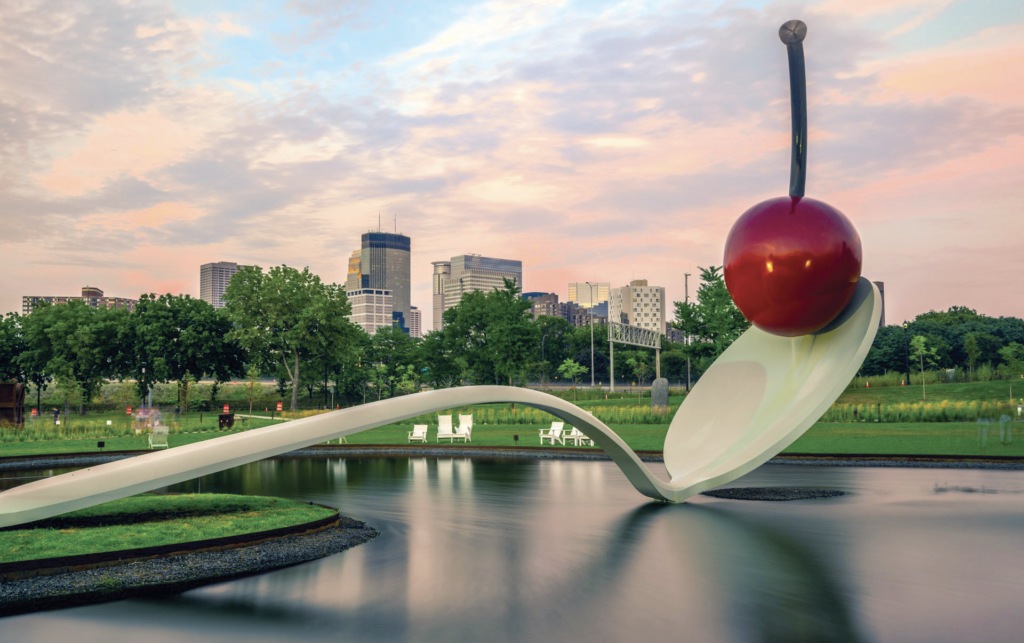
The Walker Art Center regularly hosts screenings, queer-focused talks, and exhibitions including a widely discussed installation that recreated the first Black-owned gay bar in San Francisco inside the museum itself. Just outside, the Minneapolis Sculpture Garden is one of the city’s most iconic public spaces. The Spoonbridge & Cherry sculpture is a required stop, (spoiler: it’s much bigger in person).
Music venue First Avenue—its exterior covered in silver stars honoring legendary performers—is central to the city’s music identity, decades after Prince helped make it internationally famous. When Bruce Springsteen wrote an anthem about the winter of ’26, “Streets of Minneapolis,” this was the first place he performed it live.
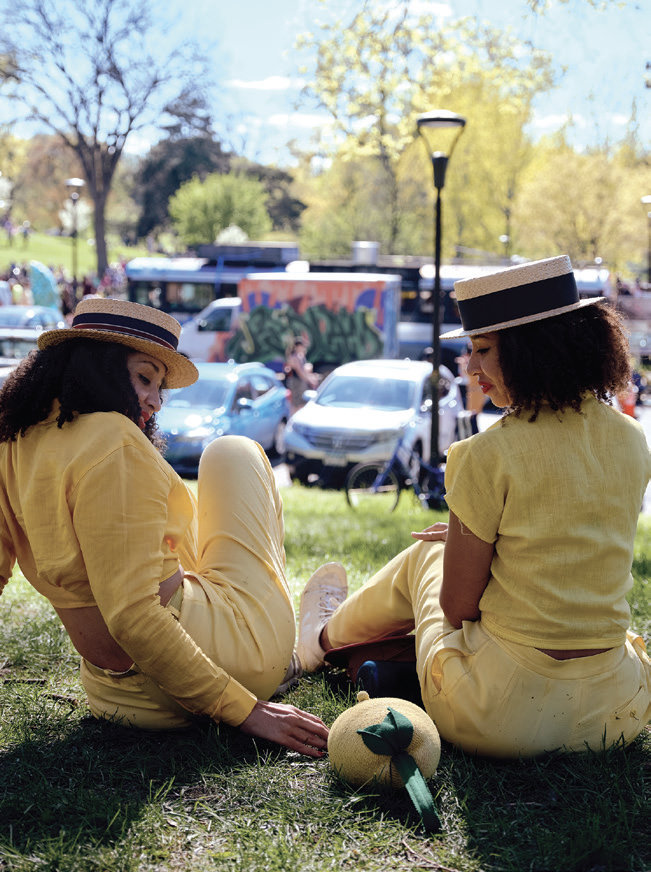
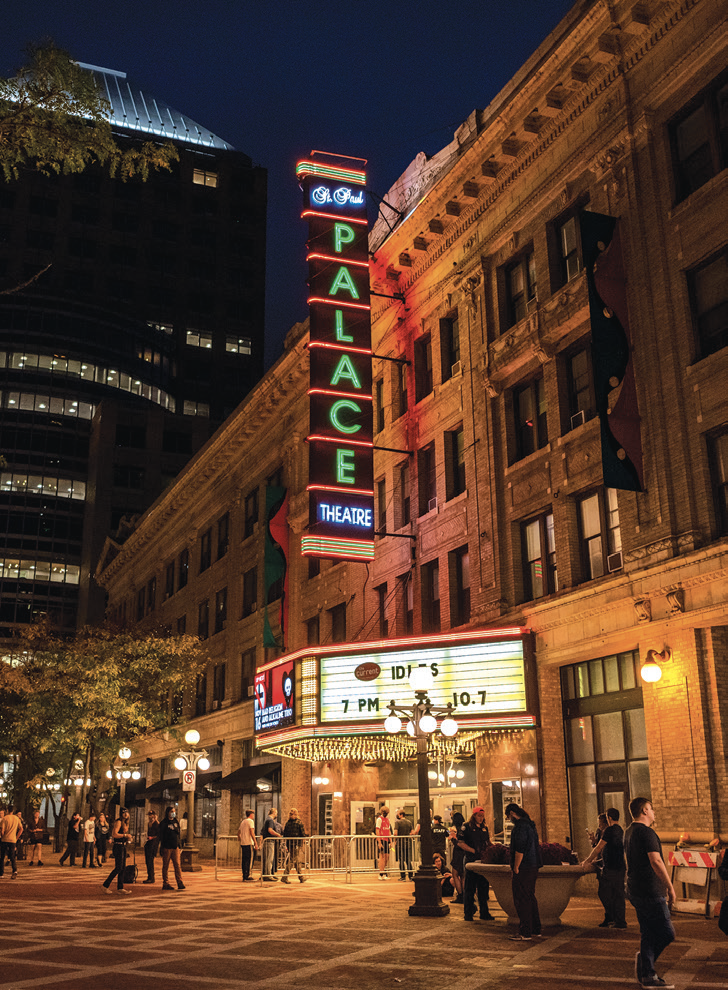
In St. Paul, the Palace Theater and Fitzgerald Theater anchor much of the city’s live performance scene, while Amsterdam Bar & Hall hosts drag shows, concerts, and dance nights.
Outside the city’s larger institutions, creative life often takes shape through smaller neighborhood spaces. Birchbark Books, the Indigenous-owned bookstore founded by Louise Erdrich, reflects the region’s deep Native literary and cultural roots.
Each summer, the Uptown Art Fair fills one of Minneapolis’s busiest commercial corridors with artists, makers, musicians, food vendors, and crowds moving between booths, beneath the trees, and around storefronts of Hennepin Avenue. In South Minneapolis, the annual Mayday Parade and Festival blends giant puppets, activism, performance art, and community celebration into one of the city’s most distinctive public rituals.
Powderhorn Park, where the festival unfolds each spring, also hosts protests, concerts, art fairs, and neighborhood gatherings throughout the year.
Elina Kotlyar, the executive director of In The Heart of the Beast Puppet and Mask Theatre, says that Minneapolis has a “rich, thriving artist community” that came together to support the community and protest as ICE’s presence ramped up earlier this year. “During the ICE occupation, artists not only gathered in solidarity by making and bringing puppets, music, and their energy to the streets,” she says, “but also organized and provided mutual aid to neighbors in need, raised money for legal and rental assistance, and connected for emotional support.”
This intersection of creativity and activism is a reminder that art is far from frivolous, and joy can be an act of resistance. “Joy gives you energy to move forward, art gives us hope, and being with other people shows us that we are not alone,” Kotlyar says.
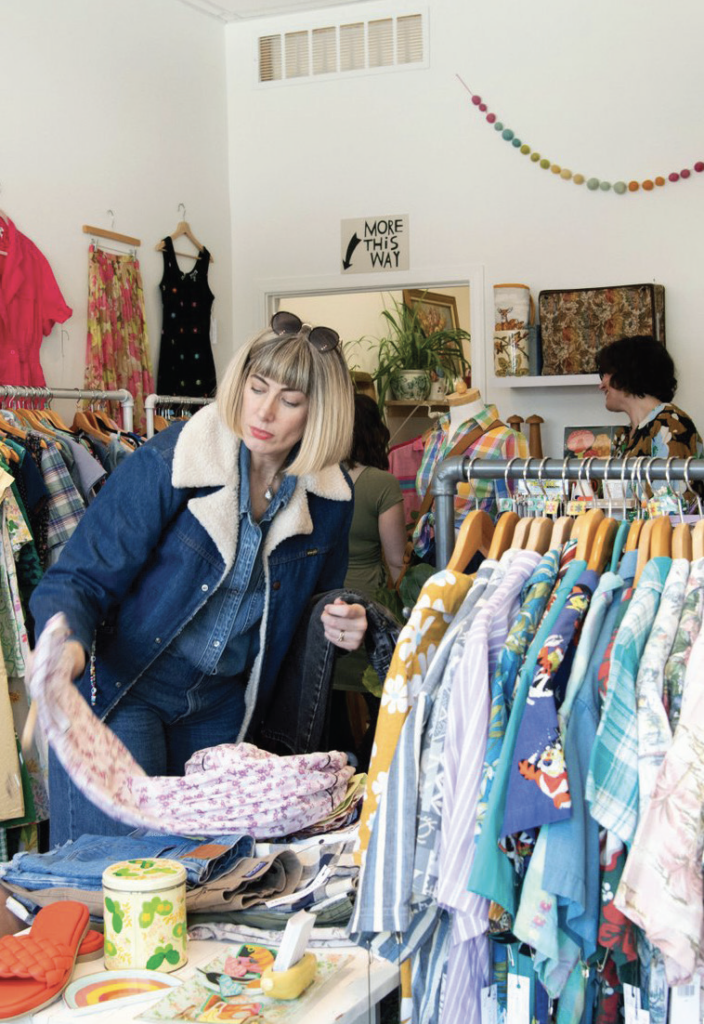
In the spring, Art-A-Whirl transforms Northeast Minneapolis into a massive open-studio weekend, with hundreds of artists opening warehouse workspaces and galleries to the public. What began as a local studio crawl now spills across entire blocks filled with food trucks, breweries, live music, and rotating exhibitions inside former factories.
Where Neighborhood Life Takes Shape
Some neighborhoods felt the impact of this winter’s ICE surge more acutely. At 34th Street and Portland Avenue, an art-filled memorial to Renee Good remains surrounded by flowers, notes, candles, and ongoing acts of remembrance months after her death.
Memorial caretaker Fabiola Rodriguez was the first person to place a cross at the memorial and has been working tirelessly with her 8-year-old son to plant flowers so that it becomes a permanent site of remembrance. She has been tending to the memorial—which she calls a “safe haven”—since its creation and sells her own wooden artwork to pay for the more than 2,500 plants she’s added to the site and surrounding area.
An immigrant herself, Rodriguez has done this despite her son’s fear that his mother might be arrested or killed by ICE, even though she is in the country legally. “I feel like I didn’t have an option,” she says. “It was either let them see your fear and let them stab you or just get a whistle out when you see them.”
Rodriguez also lives near where Pretti was killed—she even met him while he was patrolling the area prior to his death—and felt a calling to help her community. “I have a big pain in my heart, so I say, we are not criminals, we are human, we come here to work, we come here to do things better,” she says. Rodriguez hopes that the space offers solace to a city that is still grieving, much like she is. “I was heartbroken, I was devastated, I deeply feel the pain [of] the way that she passed away,” she says.
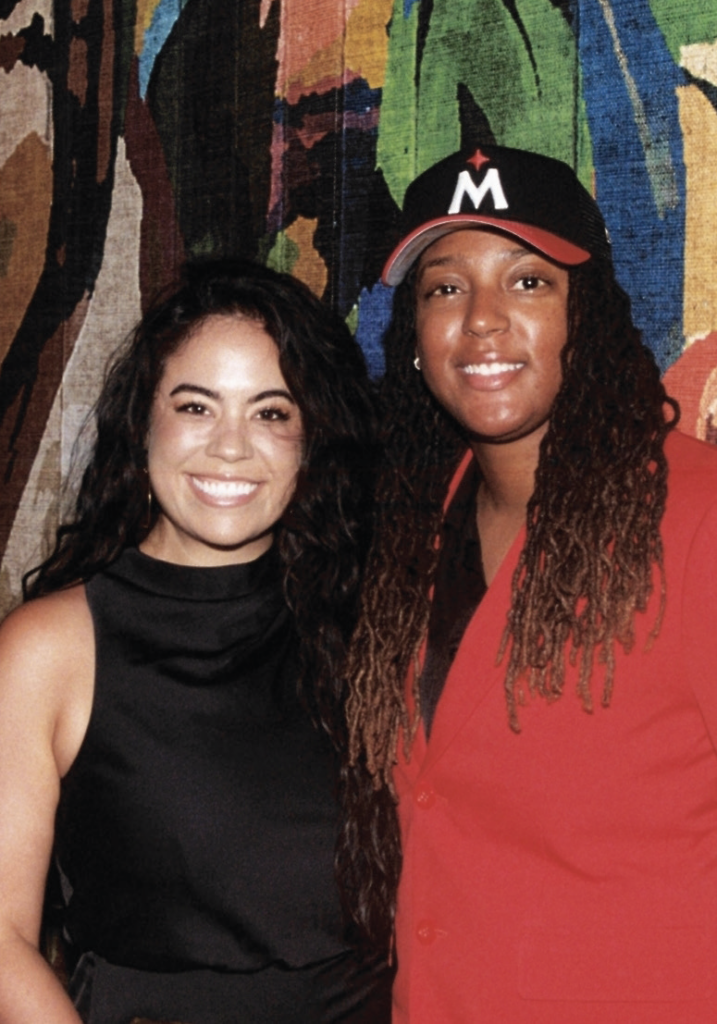
Many neighborhoods and small businesses navigated disruptions and uncertainty this winter, and they’re still hurting. Showing up now—grabbing food, browsing shops, putting a little extra thought into where you spend your time and money—goes a long way. Immigrant-owned businesses, like those along Lake Street, are especially worth seeking out.
Independent restaurants are the soul of the city’s food scene. In a few short blocks in Northeast Minneapolis, for example, you can walk from fine dining at Diane’s Place and an acclaimed Mexican shrine to masa at Oro by Nixta to authentic fish and chips at The Anchor and award-winning Southeast Asian cuisine at Hai Hai.
This corridor of largely immigrant-owned restaurants, bakeries, and small businesses happened to be the place where federal agents killed Pretti. In the immediate aftermath, businesses opened their doors to offer warmth, food, and a place for protesters to regroup. Today, places like My Huong Kitchen and the Copper Hen Cakery & Kitchen continue welcoming visitors who first heard about them in national coverage of the protests, while Glam Doll Donuts—the pink-and-punky neighborhood institution just steps from Pretti’s memorial—draws lines out the door.
Many restaurants are deeply embedded in the communities that surround them. The longtime diner Post Modern Times, known for its breakfast and vegan donuts, transitioned to a free, donation-based model, serving meals as a form of mutual aid and community care. May Day Cafe serves pastries just steps from Powderhorn Park. For something delicious with impact, All Square is a grilled cheese restaurant and social enterprise run by formerly incarcerated individuals, which pairs comfort food with a mission of equity and reintegration.
St. Paul’s dining scene also makes room for community-focused LGBTQ+ spaces. The Black Hart of Saint Paul, a soccer bar in the Midway neighborhood, has become a hub for drag shows, karaoke, and soccer watch parties, welcoming everyone from sports fans to theater kids. When it comes to craft beer, the queer women-owned Urban Growler stands out as a neighborhood staple, known for its inclusive vibe and excellent selection of house-brewed beers in a welcoming setting. And for a white-tablecloth experience in charming Highland Park, head to Joan’s in the Park for a refined tasting menu led by a couple.
Shops also take a unique and local-first approach. Independent businesses often serve as informal community spaces, especially along Minnehaha Avenue and Lake Street, where vintage stores, bookstores, coffee shops, and artist-run spaces sit side by side. Time Bomb Vintage draws treasure hunters looking for one-of-a-kind finds, while Tandem Vintage centers LGBTQ+, BIPOC, women, and nonbinary makers. The Future, a self-described “Aquarian lab,” stocks tarot decks, zines, gifts, and astrology supplies in the city’s “Witch District.” Across the river in St. Paul, Mischief Toys & Games is a darling retail shop on Grand Avenue that was fearless in its criticism of ICE.
Queer owner Abigail Adelshein-Marshall and her employees at Mischief Toys & Games gave away thousands of whistles and zines explaining how to use them to warn people when ICE was spotted, and raised $42,000 selling anti-ICE yard signs, which they donated to local nonprofits, legal funds, and mutual aid groups. “It was really magical because everyone was trying to do their part to help, whether that was delivering groceries to our neighbors who were sheltering in place, who couldn’t really be out in public at the moment, or fundraising for soup kitchens, or doing whistle trainings or legal advocacy; everyone was really doing what they could to help,” she says.
This made their store a target, and when Adelshein-Marshall spoke out against ICE on ABC News, the Department of Homeland Security showed up at their door and served her with an audit notification, a legal issue they are still grappling with today.
“We knew it would put us at risk, but we really believe that, especially for white cis-passing people, it is important for us to put ourselves at risk when we are not the ones being targeted,” Adelshein-Marshall explains. “That is the only way we can achieve change.”
Beyond the headlines, the Twin Cities continue to offer the same things that have long drawn people here: public parks filled all summer long, fiercely loyal queer communities, independent businesses that double as gathering spaces, and the sense that people are still willing to show up for one another. Whether you come for Pride, the lakes, the arts scene, or simple curiosity after a winter of national attention, Minneapolis and St. Paul reward time spent getting to know them.
S.E. Jackson hails from the Northeast U.S., but has lived in the Midwest the last dozen years and is proud to call the Twin Cities her home. She especially enjoys the lakes, the museums, the theater, the family-friendly activities, and, of course, the Minnesota State Fair.
Ariel Messman-Rucker is a Bay Area born and raised journalist who now calls Montana her home. When she’s not writing about politics, sex, and queer pop culture for publications like Out Magazine, The Advocate, and Pride.com, she can be found reading, hiking, or talking about horror movies as the co-host of The More Deadly Podcast.