

How To Tell The Story Of A Trans Icon: Inside The Jackie Shane Story
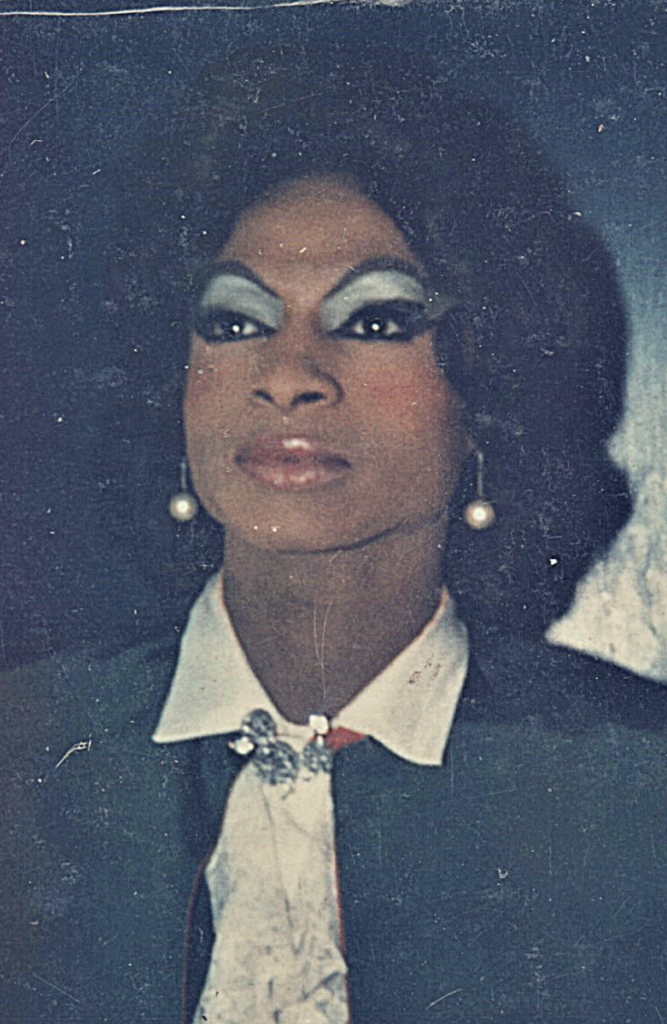
Fillmmakers Michael Mabbott and Lucas Rosenberg-Lee talk to GO about how their 2024 documentary explores the life, legacy, and disappearance of Black trans blues singer Jackie Shane.
Featured Image: Jackie Shane in ‘Any Other Way’; Courtesy of Micheal Mabbott and Lucah Rosenburg-Lee
During a time when trans lives are being debated like policy talking points instead of lived realities, trans art continues to do what it’s always done—persist, insist, and take up space anyway. Not politely or quietly, but undeniably.
That’s the pulse of Any Other Way: The Jackie Shane Story, now screening at the Sebastopol Documentary Film Festival in Sebastopol, California (and available to stream on platforms like Amazon and Apple TV). The film traces the life of Jackie Shane, a Black trans blues singer who lit up the 1960s with a voice you couldn’t ignore—then stepped away from the spotlight just as quickly, leaving behind questions, rumors, and a legacy that refused to disappear.
And to understand Jackie Shane is to understand the stakes. This is the early ’60s: pre-Stonewall, peak segregation, a cultural landscape where being Black, trans, and visible wasn’t just rare—it was dangerous. Blues itself was already a language of resistance, a way of naming pain and pleasure in a world that tried to flatten both. Jackie didn’t just participate in that tradition—she bent it, queered it, made it entirely her own.
Built from years of recorded phone calls, never-before-seen archival footage, and unreleased music, the documentary feels less like a standard biopic and more like a careful reconstruction—one that insists on Jackie’s full humanity, not just her mythology.
Director Michael Mabbott began the project with that intention, and following Shane’s passing, brought in Lucah Rosenberg-Lee, a Black trans filmmaker, to help shape the film with the care and perspective the story demands.
This interview has been edited for clarity and length.

Lucah Rosenberg-Lee
GO Magazine: Given that there was only a single two-minute clip of Jackie Shane performing, how did you build a visual language using Black trans actors and rotoscope animation (a technique used in animation to trace over live-action motion picture footage frame by frame) to fill in those archival gaps?
Lucah Rosenberg-Lee: When Michael first told me there was only one clip of Jackie, I was honestly a bit worried because I had never had to build a story like that before. But it ended up becoming one of our greatest challenges and ultimately one of our biggest successes. When we finally see that clip in the film, it becomes so much more meaningful than if we had been working with a large archive of footage.
The idea to use rotoscope animation was something Michael had been thinking about for a while, even when Jackie was still alive. But after she passed, we made the decision to use actors. Early on, the fact that they were trans wasn’t even top of mind—we just wanted people who were right for the role and who could bring beauty and truth to the performance.
It was through conversations with musicians and collaborators that we started to focus more intentionally on Black trans performers.
GO: Before this film, you directed Passing (2015) and produced For Nonna Anna (2017), both of which engage with identity in nuanced ways. How did those earlier projects shape your perspective going into a story as layered as Jackie Shane’s?
LRL: They shaped how I thought about this project a lot. I think it’s very important to tell stories about trans people that are unconventional, and that offer a different take on the trans experience. When I made Passing, I specifically wanted to look at the intersections of Blackness and transness from the male perspective, which is something I also got to explore in Jackie—this overlap of her race and her gender, and how that shaped her outlook and upbringing.
With For Nonna Anna, I loved that Luis wrote the script from the point of view of having a supportive family, something that isn’t talked about a lot in trans discourse. That was something I was really drawn to in Jackie’s story as well, that her mother was so supportive and encouraged her to live authentically. So when I was working on this film, I really wanted to bring all of those elements together: intersectionality, support, and a fuller, more human story.
GO: Your background includes analyzing audience behavior—did that influence how you approached accessibility and engagement in this film?
LRL: It definitely did. A big part of my filmmaking is wanting stories to resonate with a wide audience. Creating Passing, I wanted it to be belief-shifting—not just for trans people or Black people, but for everyone.
That same thinking carried into this project. We wanted Any Other Way to resonate across identities—musicians, cis and trans audiences, Black and white audiences, young and old. That was very intentional in how we approached storytelling.
Some of the most rewarding screenings were the ones where we saw nine-year-olds and ninety-year-olds sitting in the same theater together. That’s when you know something is working.
GO: As a Black trans director, how did your identity shape your approach to telling Jackie’s story?
LRL: It shaped it in so many ways. It’s incredibly rewarding when Black trans people tell me that they love the film—that it made them feel seen, safe, and inspired. That was my personal goal from the beginning.
I told Michael early on that I didn’t want to make a sad story. No matter how difficult parts of her life were, it was important to weave in joy, accomplishment, and her full humanity. I didn’t want the story to be reduced to just her transness.
Without that perspective, it would have been very easy for Jackie’s story to become another narrative about a trans woman who died alone. And while that may be part of the truth, her life was so much more expansive than that.
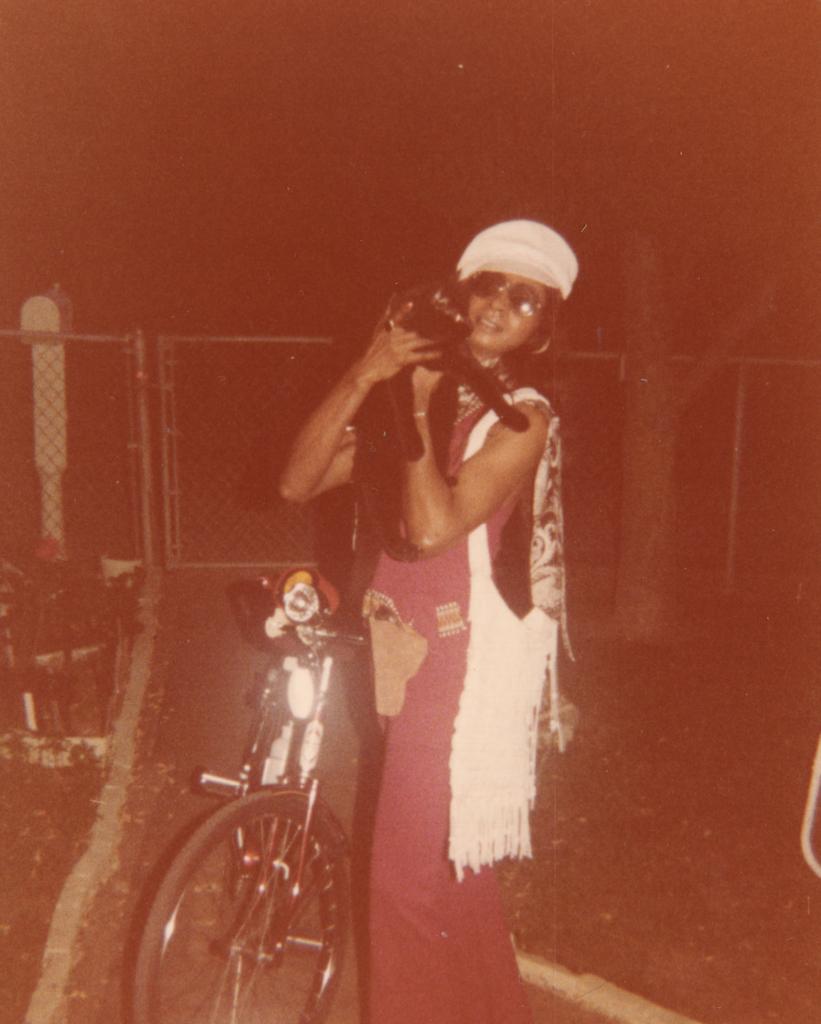
GO: How did you navigate telling a story about erasure at a time when trans people are still experiencing it?
LRL: I’m used to the ways trans identity is misunderstood and erased, but there were still things that surprised me. When Michael told me that Jackie had nieces who didn’t even know she existed, I couldn’t wrap my head around it at first.
But as I dug deeper, I began to understand how families can erase someone because of their gender identity or expression. And that kind of silence can carry for generations.
What’s challenging now is that even though people may understand what a trans person is, there’s still resistance to the idea that someone should be able to live authentically. We’re in a moment where, personally, I sometimes feel afraid to disclose my identity depending on the situation.
That’s why stories like Jackie’s matter so much. They remind us that trans people have always existed. This isn’t new, it’s part of human history.
GO: With so much history, how did you decide what to prioritize?
LRL: It was one of the hardest parts. We had over 30 hours of audio recordings and so many possible narrative threads.
We had to really flesh everything out and make difficult decisions about what to include and what to leave behind. Some ideas were cut early, others much later in the edit.
This is Jackie’s story. Everything had to center her. And we also wanted to make sure audiences got a sense of her personality and her musical talent.
GO: What was the process of tracking down archival material like?
LRL: We actually wrote most of the story before seeing her archive. It was locked away in Nashville, so we had to build the narrative without it.
When we finally got access, it completely opened things up. We found so many unexpected details—like that she had been married to a man named Dan, and that the woman she referred to as her mother was actually her aunt.
As an adopted person myself, that really stood out to me. It adds another layer to her story and shows how love can exist beyond traditional definitions of family.
GO: What were some of the ethical considerations in telling her story?
LRL: One of the biggest was how to navigate her past and how she presented at different points in her life. Many trans people don’t want images of their past selves shown.
But Jackie kept certain things intentionally, and we felt that what she preserved was fair to include. It was important to strike a balance between honoring her authentic self and acknowledging the complexity of her life.
We took that responsibility very seriously.
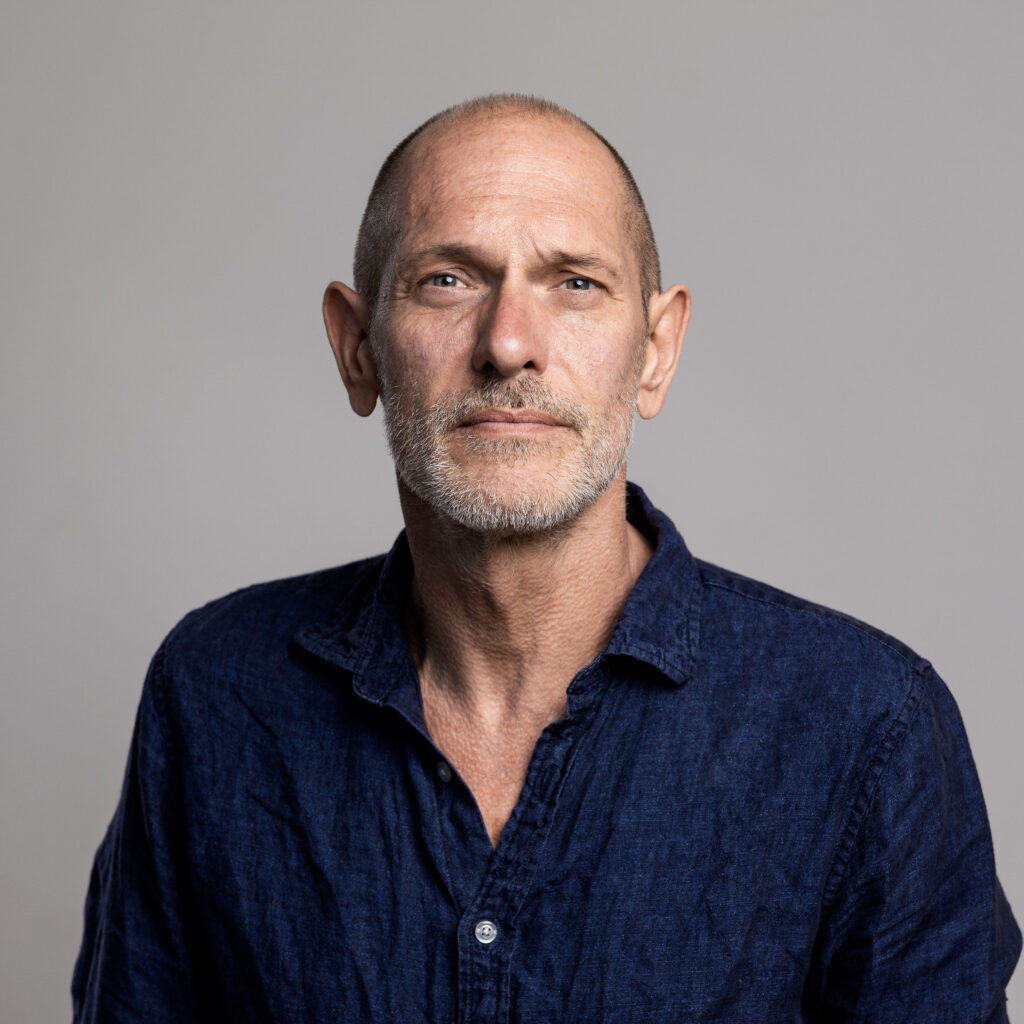
Michael Mabbott
GO: Your work spans music-driven storytelling, from writing original songs for the comedy Guy Terrificoto to now exploring Jackie Shane’s musical legacy—what draws you to stories where music plays such a central narrative role?
Micheal Mabbott: Throughout my career, I’ve been obsessed with the things that connect us as humans like the parts of the Venn diagram where we overlap that reveal our similarities and define our differences. Jackie’s music soothed my soul, as if she was talking directly to me.
I wanted to explore how that connection works. But to be honest, the answer still eludes me. It’s bigger than my understanding and yet it still has such great power. I suspect that Jackie’s ability to connect with her audience had something to do with what she was connected to. It was deep, ancient and spiritual.
Making films about great and beautiful artists gives you so much great and beautiful material to make a film work. In the case of Jackie—the script was essentially provided by her in our phone conversations, and her voice told her story. She was brilliant, charming, tremendously funny and stylish; and left us her wardrobe and stage outfits, which created the visual tone of the film.
GO: Looking back, what part of the filmmaking process challenged you the most, and what part felt the most rewarding?
MM: Jackie’s death was one of the most challenging and heart wrenching periods of my life, personally and professionally. For so many years the plan was to make this film together. After she passed away…there was a long time where I didn’t know if I could do this without her.
We had spent so much time talking. I missed her so much. This may sound bonkers but..after she died, I called her number a few times.
There have been so many rewarding parts to this process. Being in screenings with young trans kids weeping at her story and even more importantly, laughing with Jackie, has been incredible.
Being with Jackie’s family at screenings at Hot Docs and in Nashville at the Country Music Hall of Fame and Museum, hearing from them that they love the film meant so much more than words can describe.
GO: This project began with years of recorded phone conversations between you and Jackie. How did working with that kind of intimate, audio-based archive shape the emotional tone and structure of the film?
MM: Her voice was our north star. The story is told in her own words, in a very intimate way, rather than through traditional interviews.
Jackie was also a film scholar and historian—shaping the film herself through those conversations. She would talk about structure, tone, even specific films we should watch.
In many ways, she was directing this film alongside us from the very beginning and, honestly, even beyond that.
The film will screen at the Sebastopol Documentary Film Festival from April 9–12. Learn more at sebastopolfilm.org.