Opinion: We Cannot Go Back
We cannot sink into despair and useless rage, but rise, rise, rise like the generation of the 1960’s and 70’s into a purposeful, dedicated national movement.

 The Cultural Roadmap for City Girls Everywhere
Emily L. Quint Freeman is the author of the memoir, “Failure to Appear: Resistance, Identity and Loss” (2020, Blue Beacon Books), as well as many non-fiction essays.

We cannot sink into despair and useless rage, but rise, rise, rise like the generation of the 1960’s and 70’s into a purposeful, dedicated national movement.

One glance at Wegener’s erotic art featuring sex between females shows you that she was very familiar with lesbianism – the happiness, wit and charm of her relaxed drawings suggest that she herself had sex with women.

Their art and lives must tell their story now, as Lamorna has slumbered back into obscurity.

Cooling emerged as an artist in the late 1970s, a time of struggle and fundamental change for women, the LGBTQ+ community, and lesbians in particular.

Much like the women he painted, Lautrec was always an outsider.
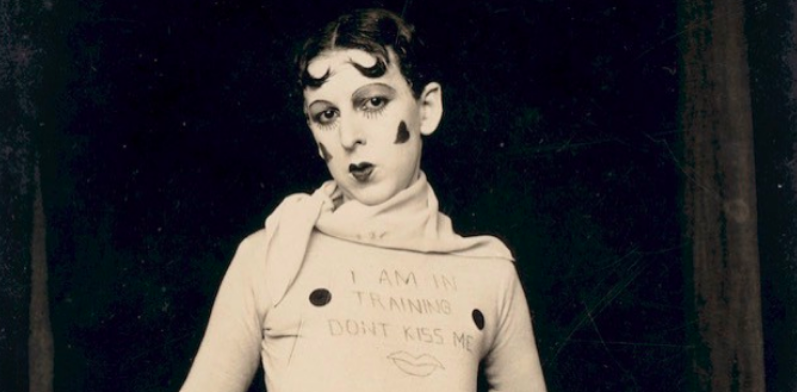
“Masculine? Feminine? It depends on the situation. Neuter is the only gender that always suits me.”
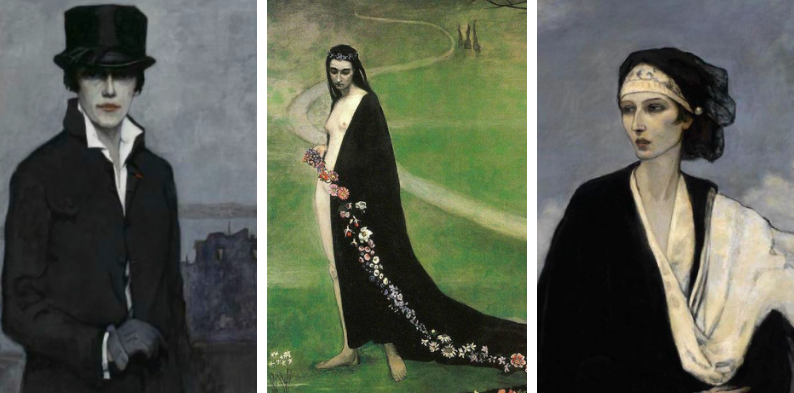
When I look at her self-portrait, I connect with the bohemian Paris of her day, to the lesbian artist who lived and loved. I am reminded that my present is what it is because of those who came before, and that I too am a small link to our queer, and hopefully freer, future.
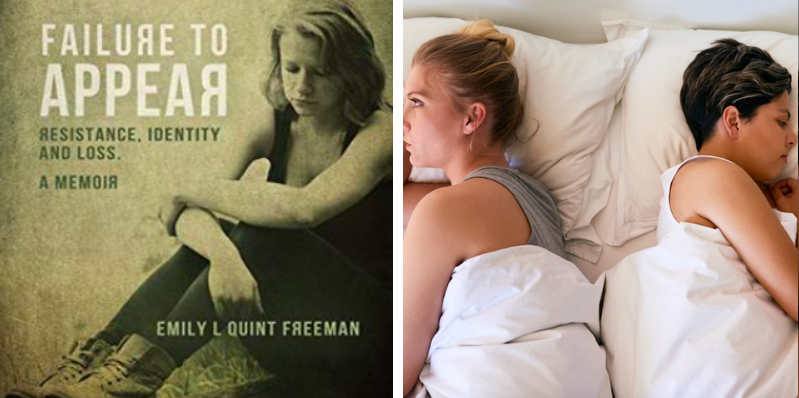
I became Emily Alexa Freeman, my third alias, with a fairy tale for a backstory. I had one overriding rule: tell no one.
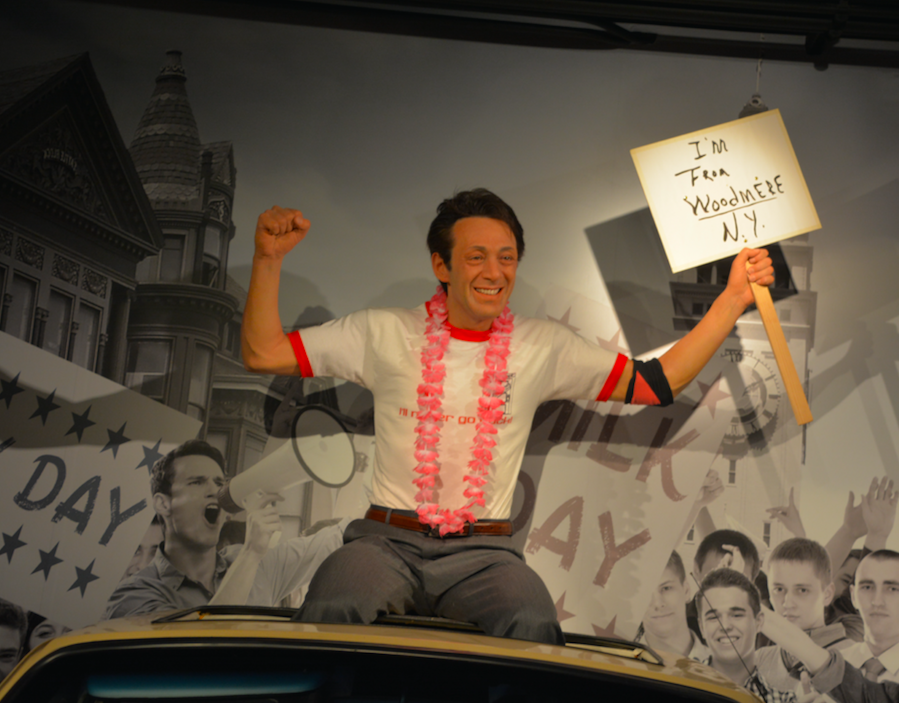
A tall drag queen with mascara running in a jagged line down her cheek sang in a rich baritone. I knew the song well, the same one I sang with a maverick group of angels, as we surrounded a pyre of burning draft files in 1969, gripping our fear, as the police sirens approached. We shall overcome. We shall overcome someday.

We must never forget how far we’ve come, how much these women have risked, and how far we still have to go.



Sign up to receive GO's weekly newsletter!