

The LGBTQ Films To Watch At Sundance 2026
With Sundance preparing to leave Park City, this year’s lineup reflects the breadth of contemporary queer cinema.
Featured image: ‘Lady’ via Sundance Institute
As Sundance prepares for its final year in Park City before moving to Colorado, the 2026 festival arrives with an exciting slate of LGBTQ+ storytelling. Sundance has long been a proving ground for queer cinema, especially work made outside the commercial mainstream. This year’s queer lineup is no different, with films that look backward at erased histories, sit with the ache of family and faith, and imagine new ways of surviving and loving in the present.
Below is a first look at some of the queer films premiering at Sundance 2026 that we’ll be watching out for in the coming year.
Barbara Forever
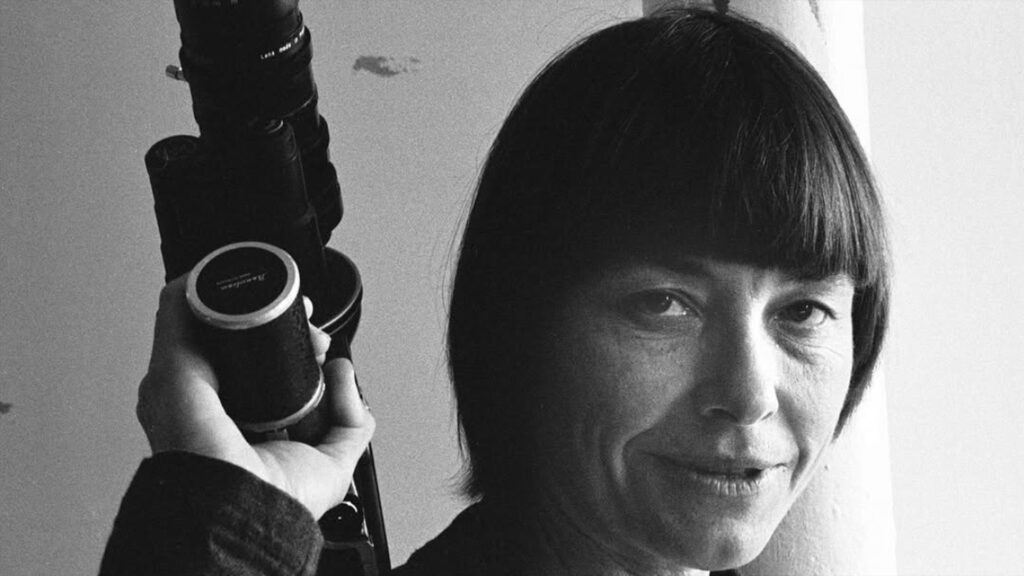
Brydie O’Connor’s documentary honors the life and work of pioneering lesbian filmmaker Barbara Hammer. Drawing from Hammer’s extensive body of experimental work and her candid reflections on art, sex, illness, and love, the film situates her as both a singular artist and part of a queer lineage. It also follows her partner, Florrie Burke, as she manages Hammer’s archive after her death.
Big Girls Don’t Cry
Set during a sweltering New Zealand summer in 2006, Paloma Schneiderman’s debut feature captures the confusion and intensity of early adolescence. Fourteen-year-old Sid is a tomboy desperate to belong, experimenting with attraction and self-invention as she trails after cooler, older teens.
The Brittney Griner Story
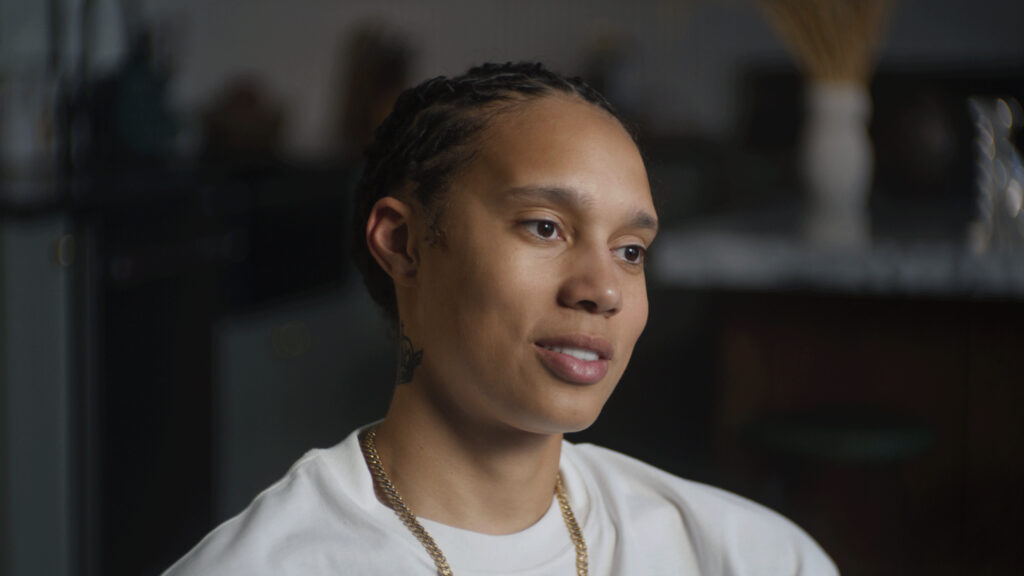
This documentary explores the forces that led basketball star Brittney Griner to play overseas and the harrowing consequences that followed with her detention in Russia. Director Alex Stapleton centers Griner’s own voice alongside that of her wife, Cherelle, and her family. Rather than replaying headlines, the film focuses on endurance and advocacy, highlighting Griner’s continued commitment to those still wrongfully detained.
Related: These Totally ’90s Lesbian Movies All Came Out Of Sundance. How Many Have You Seen?
Public Access
Director David Shadrack Smith’s documentary revisits the unruly, often forgotten world of New York City public access television, when the airwaves briefly belonged to anyone brave enough to show up with an idea. Moving from the early 1970s through the culture wars that followed, the film traces how radical freedom of expression collided with censorship, lawsuits, and moral panic. Of particular interest is the role public access played for LGBTQ communities, from early gay talk shows to AIDS education during the height of the epidemic.
Tell Me Everything
Written and directed by Moshe Rosenthal, this intimate drama examines the long shadow cast by secrecy and shame within a family. Split between 1987 and 1996, the film follows Boaz, first as a 12-year-old who accidentally witnesses his father with another man, and later as a young adult still struggling to process that moment. Set against the backdrop of the AIDS crisis, the film examines how fear curdles into distance, anger, and unresolved grief.
TheyDream
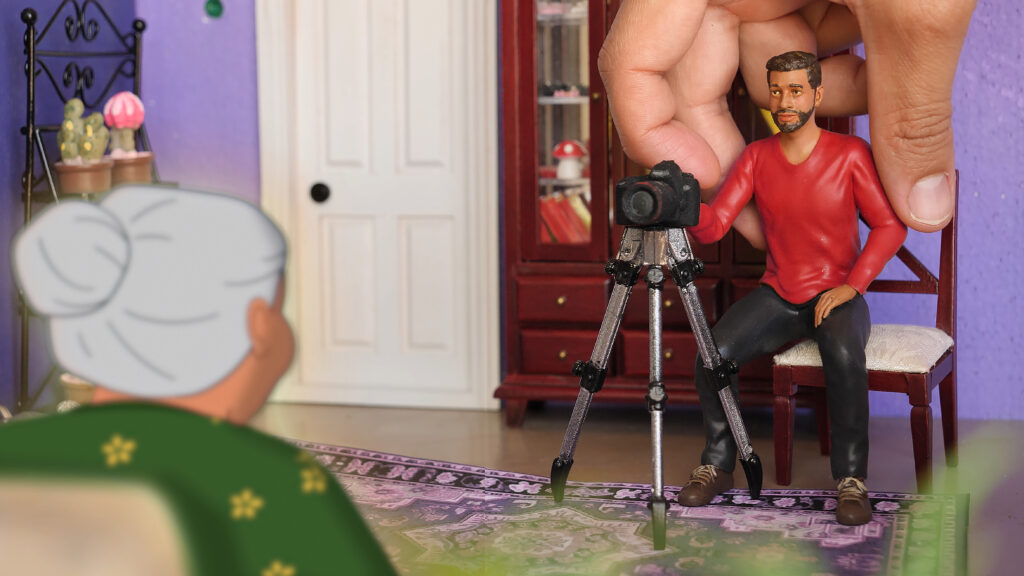
William D. Caballero’s debut feature blends animation, miniature sets, and home video to tell a deeply personal story about family, memory, and care. Centered on Caballero and his mother, Milly, the film moves through illness, loss, and creative inheritance. The tactile nature of the filmmaking stands out, especially in moments where mother and son collaborate onscreen. Caballero has described his artistic mission as championing a world in which “brown-skinned nerds and LGBT geeks feel empowered to tell their own stories.”
Give Me the Ball!
Directed by Liz Garbus and Elizabeth Wolff, this documentary revisits the life and legacy of Billie Jean King, tracing how her fight for equity in sports reshaped culture far beyond the tennis court. Through archival footage and candid interviews, the film examines the sacrifices that accompanied King’s victories, including the toll on her private life. The result is an intimate portrait of a queer icon whose refusal to stay silent changed what was possible for generations that followed.
Related: Hollywood Erased Lesbian Activist Sally Gearhart: New Documentary ‘Sally!’ Corrects The Record
Jaripeo
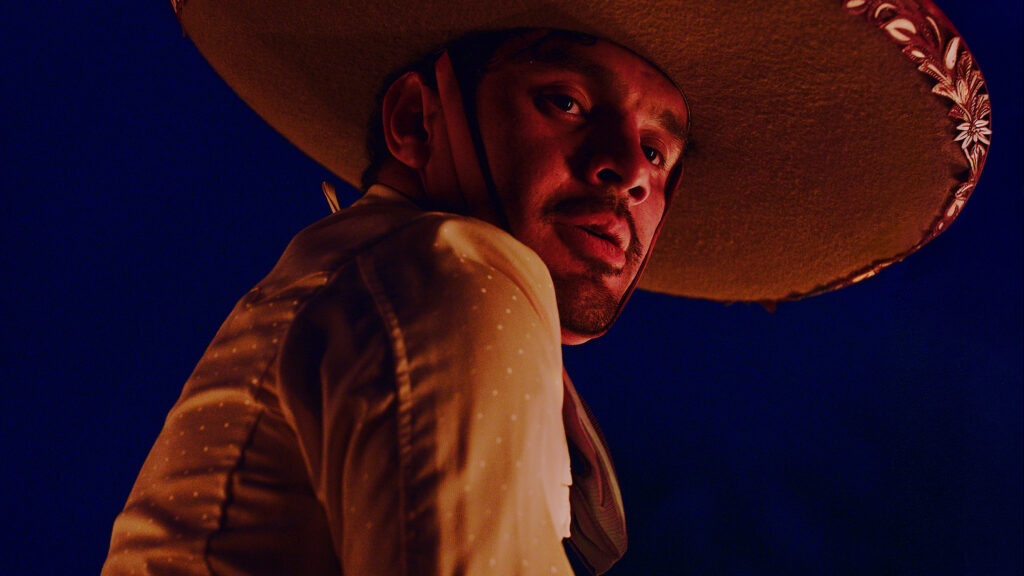
Set within the hypermasculine world of Mexican rodeos, this documentary moves fluidly between memory, desire, and place. Through vérité footage and dreamlike sequences, the film explores how queer longing exists within traditional masculine spaces.
LADY
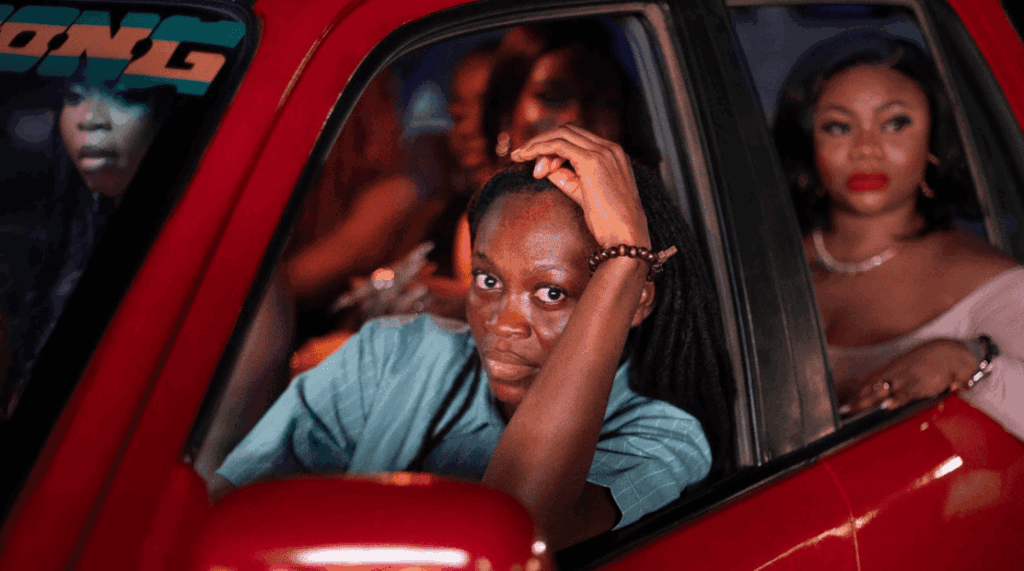
Olive Nwosu’s debut feature unfolds in Lagos, where a fiercely independent cab driver finds her life transformed after connecting with a group of sex workers navigating economic instability and survival. Set against fuel subsidy cuts and a city in flux, the film explores sisterhood, risk, and self-determination.
As the festival marks its final edition in Park City, these films showcase the breadth of queer filmmaking today and the continued need for spaces that support work made outside commercial comfort zones. The slate offers a clear snapshot of where queer cinema is now, and where it may be headed next.
More info about the 2026 festival is available here.