

Shavana Clarke, The First Out Lesbian To Compete In Miss USA, Wants To Reshape Pageantry
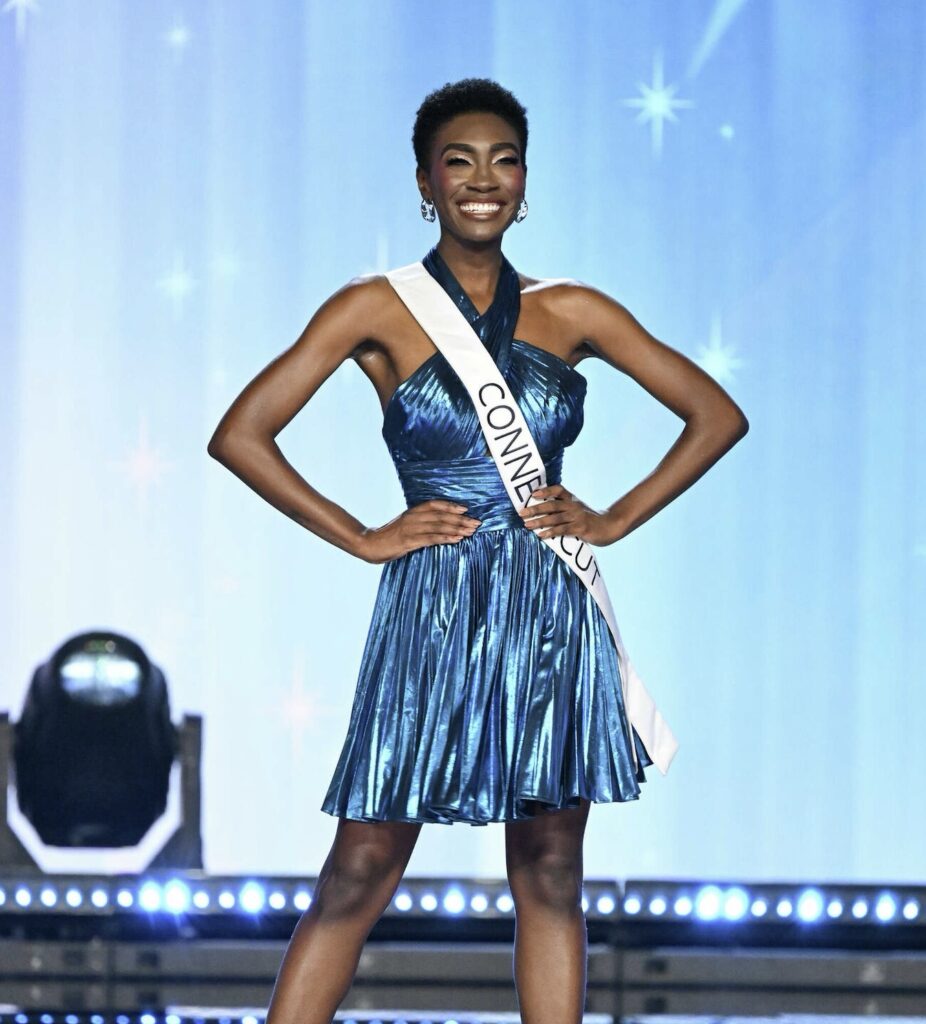
Since being crowned Miss Connecticut USA in 2024, Clarke has been a strong advocate for representation and mental health in the pageant world.
When Shavana Clarke was crowned Miss Connecticut USA in 2024, she made history, becoming the first openly queer titleholder of Miss Connecticut USA and the first out lesbian to compete in Miss USA. But Clarke’s reign is about more than milestones. A former theater kid turned pageant queen, she’s navigating an arena steeped in tradition and patriotism, where femininity has long been defined in narrow terms. Her short hair, proud Jamaican-American identity, unapologetic queerness, and candor about mental health have made her both a symbol and a disruptor, challenging an industry that’s slowly, often reluctantly, expanding its idea of who belongs.
But for Clarke, representation isn’t a buzzword; it’s a responsibility. Her reign was met with overwhelming support, but also with the kind of scrutiny that comes with being “the first.” In a conversation with GO, she reflects on the weight of that visibility, the unexpected ways queerness has reshaped her idea of beauty, and how she’s using her platform to reimagine what a queen, and a pageant, can be.
Related: From Outer Space To Center Stage: Caroline Kingsbury’s Queer Indie-Pop Takeover
GO Magazine: Did you feel a different kind of pressure knowing you’d be the first? And how do you navigate being seen as both a symbol and a person?
Shavana Clarke: I didn’t think about being the first until after I won and saw the reaction. That brought a mix of overwhelming support from Connecticut’s LGBTQ+ community and intense online hate—misgendering me, saying that the pageant standards have gone down because if I can win, “anyone” can win. It’s easy for people to go online and say all these things, and just assume that I only won because I fit all the boxes, or on some fluke, without understanding that I had worked incredibly hard for this moment in my life. I did receive an overwhelming amount of love, but all that bullying really put things in focus for me. I was like, “Wow, this is not just for me. This is for everyone who can see me. Everyone who feels like they can’t compete in a pageant or live their life fully and embrace who they are.” That realization came with a lot of pressure. Before leaving for Miss USA [after I was crowned Miss CT USA], I cried at the airport, not because I was nervous to compete, but from the weight of responsibility I put on myself. When I didn’t place, I felt like I’d let everyone down. It took time to realize that the crown wasn’t just about one competition; it’s about what I do with it during and after my reign.
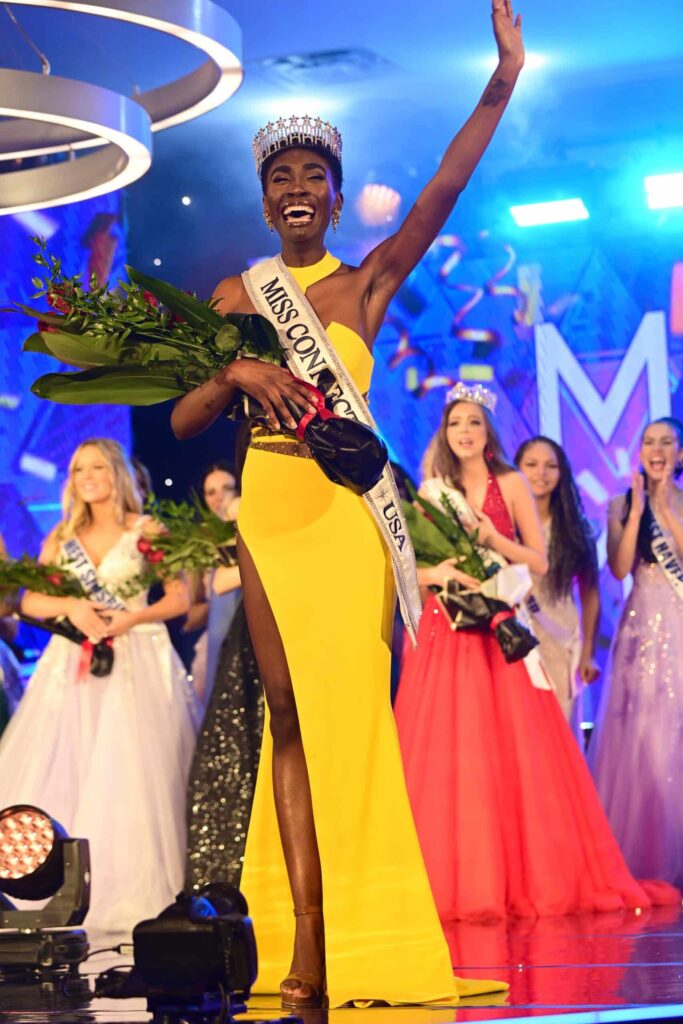
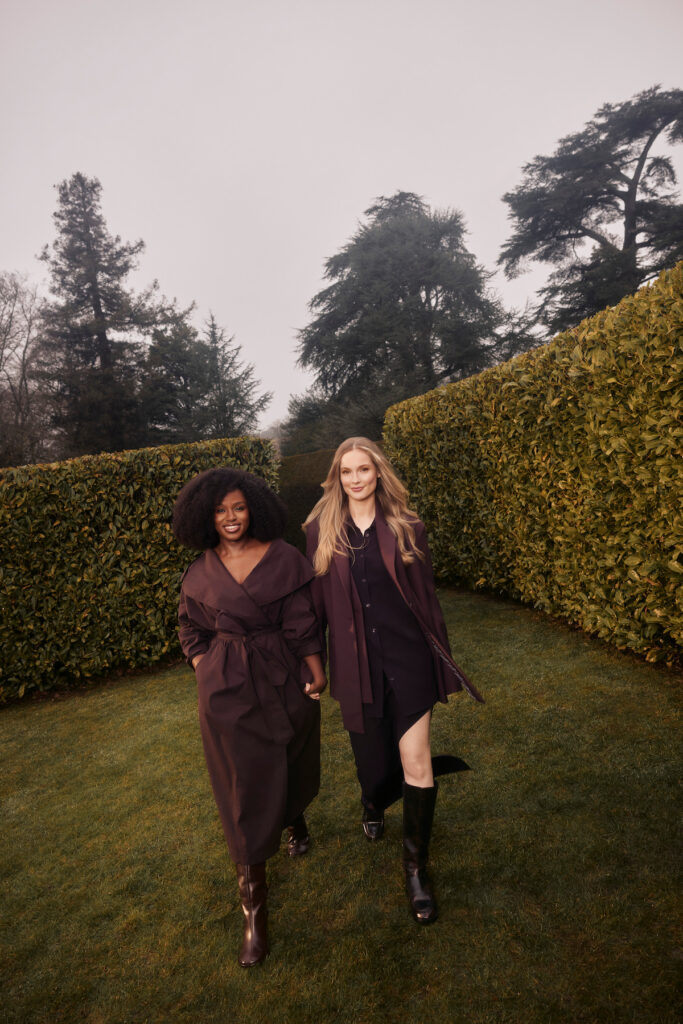
Photo by Mike Chaiken.
You’ve stepped into a role that’s traditionally been steeped in very specific ideals of femininity and patriotism. How do you hold space for your queerness within that framework — and how do you redefine it?
By showing up fully as I am, which took time. When I first returned to competing, I didn’t talk about being queer because I feared it would hold me back or make others uncomfortable. The team that prepared me for Miss Connecticut USA told me to forget what others think. Pageantry is still archaic in many ways, but there’s been slow change: transgender women competing, openly queer titleholders, and more discussions around mental health. My mission is to help reframe who pageantry holds space for. A queen isn’t defined by one race, ethnicity, or sexuality. As a Black woman with short hair who is openly queer and vocal about my mental health, I felt like a colorful girl in a black-and-white world, and that was powerful. The messages I’ve received thanking me for being open about my sexuality and mental health show that visibility matters. The industry is evolving because people now want substance, passion, and authenticity.
What’s your pre-pageant ritual?
Before going on stage, I do a lot of deep breathing and listen to musical soundtracks. Hamilton is my go-to. “My Shot” is my pump-up song because it’s about seizing opportunity, which is exactly what I feel I’m doing when I compete. Before interviews or walking on stage, I put my headphones in and blast that track, reshaping the words to fit the moment. It reminds me that I’m really seizing this opportunity and that regardless of what happens, I’m making a stand—not just for myself, but for everyone I represent.
Related: This South African Bar Is A Rare Queer Diasporic Sanctuary, And You’re Invited
What would you say to those who think queerness and pageantry are incompatible, or who view your win as a disruption rather than a progression?
I’d say you’re so wrong. Many coaches, photographers, directors, and fans in pageantry are LGBTQ+. The industry is rooted in queerness, even if some people prefer it to stay “behind the scenes.” That mindset doesn’t support the industry or the LGBTQ+ community that sustains it.
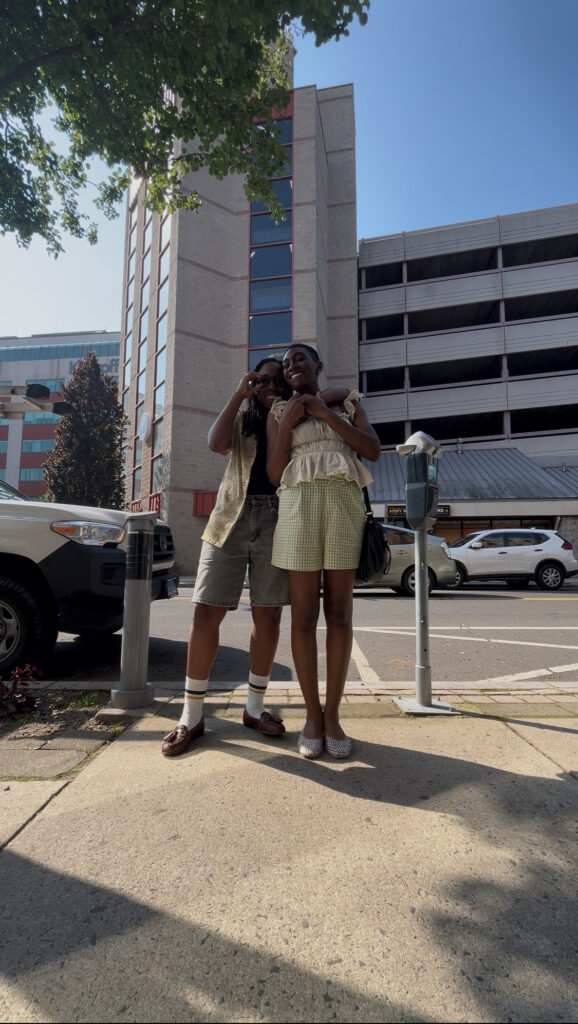
Who did you look to — historically, culturally, personally — as you prepared to occupy this role? And what do you wish had existed for you growing up?
I looked at Zozibini Tunzi, Miss Universe 2019, and previous LGBTQ+ Miss USA competitors. Tunzi specifically. She had dark skin and short hair, and I was like, “She looks like me!” Watching her win was a really special moment for me. It helped push me along my own journey. The queens who came before me set the blueprint, showing resilience in the face of criticism. Being the first Black LGBTQ+ Miss Connecticut USA and first openly lesbian [competitor] at Miss USA was an honor, but it also showed how much work remains. I wish there had been broader representation across race, sexuality, and religion, not just “different” packaged in a familiar way. America is multifaceted; our winners should be too.
Do you see your reign as an opportunity to shift what Miss USA can be, not just for queer people, but for anyone who’s felt outside the pageant world?
Absolutely. Miss USA could be culture-shifting, but titleholders are still treated like influencers with limited freedom. I’ve been vocal about my borderline personality disorder diagnosis, and it’s still weird for people, which I push back against. Why is it weird for me to talk about my mental health when contestants talk about their mental health every year? Because the industry often wants mental health advocacy to be sanitized. After [Miss USA 2019] Cheslie Kryst’s death [by suicide], I believed more than ever that titleholders need real mental health resources, like access to therapy. Cheslie died around the time that I had actually come out of a mental hospital stay, so it really hit home for me and impacted how I show up on and off the stage. Fans are starting to call for these changes, and the industry will have to adapt. I’m actually launching a PR agency to support titleholders and advocates using their platforms for impact. I feel a responsibility to help shape pageantry for the future, even if I never compete again.
Related: Meet Jona Xiao, Marvel’s Newest Superhero Who Is Making History
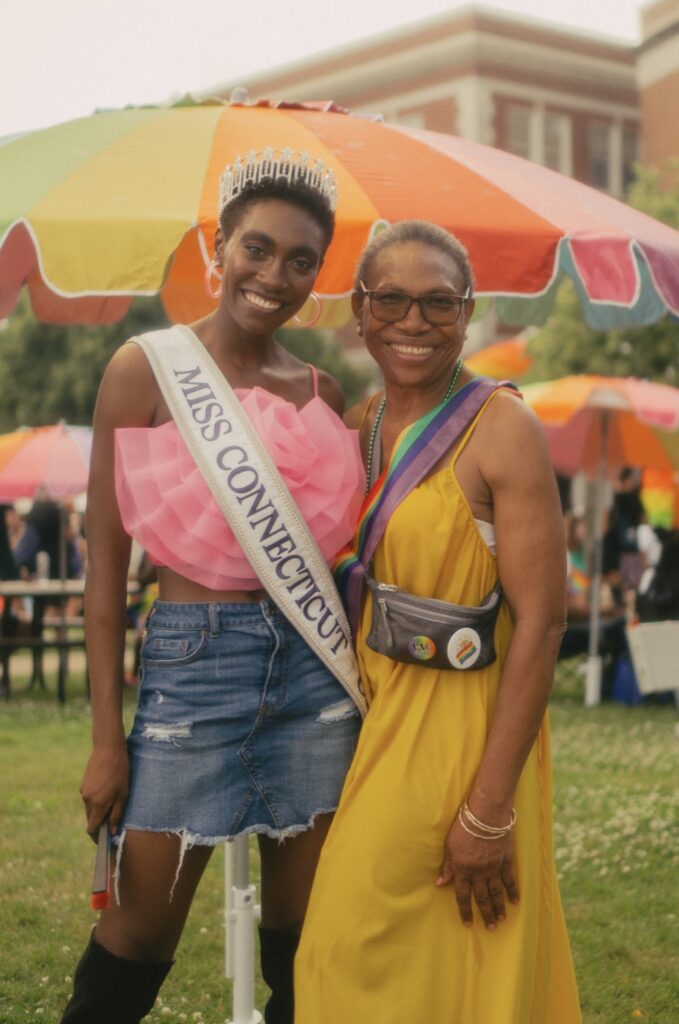
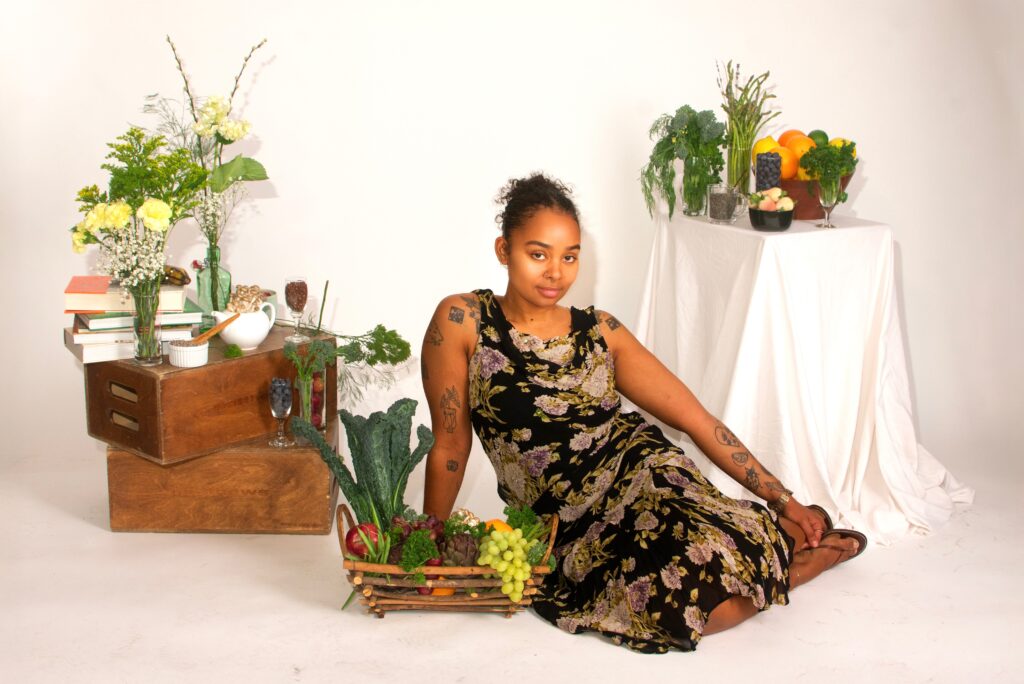
Photo courtesy of Shavana.
What does beauty mean to you now, and how has queerness reshaped that definition?
Beauty is strength, power, and joy—a feeling, not just an appearance. At Pride events, I see beauty in the energy and community. My mom, a devout Christian, has defended me and the LGBTQ+ community fiercely. The other day, we were talking, and she just started crying. She said, “Honestly, I have never seen you as sure of yourself, as brave, as confident as I’ve seen you since you’ve been out and proud…You haven’t self-harmed in years. You haven’t been to the mental hospital in years. You are truly this different person.” How my mom feels about me and our community is how I feel about beauty and queerness.