

Queering The Canon Cinema Retrospective Now At BAM: “We’re Out Here”
This year’s theme shines a queer spotlight on small towns, rural areas and suburbs: “Queering the Canon: We’re Out Here” is playing at BAM, March 26-30, 2026
Featured images: courtesy of NewFest/Queering the Canon
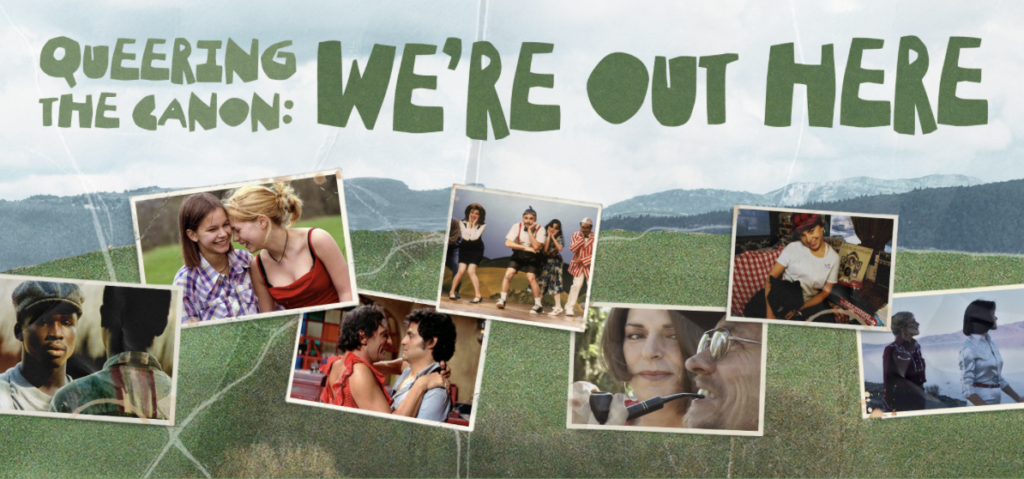
The sixth season of the Brooklyn Academy of Music’s annual retrospective collection is up and running. This year’s theme: “We’re Out Here.” From March 26-30, 2026, the series explores connection and identity with films that “celebrate LGBTQ+ existence, resilience, and perseverance across the map.” From small towns to the ‘burbs to rural areas, NewFest promises romance, friendship, and stories of close-knit communities – across the span of the American West, Midwest, and South to Sweden, Mexico, and Guinea.
Since its launch, Queering the Canon has showcased films that were among the “firsts” in their day—back when putting queer themes to celluloid was new, and sometimes even risky. In their respective decades, such films were among the few theatrical releases to explore queer subject matter and possibly, quite possibly, offer hope of a happy ending. This annual series at BAM exists not only as a throwback for people who were there in the day, but also for the new viewer – keeping the forebearers of our cinematic lineage on our collective radar.
This year’s offerings bring classic restorations, including 35mm prints, to the big screen – plus the chance to hear from legacy filmmakers and guests with several post-screening Q&A’s.
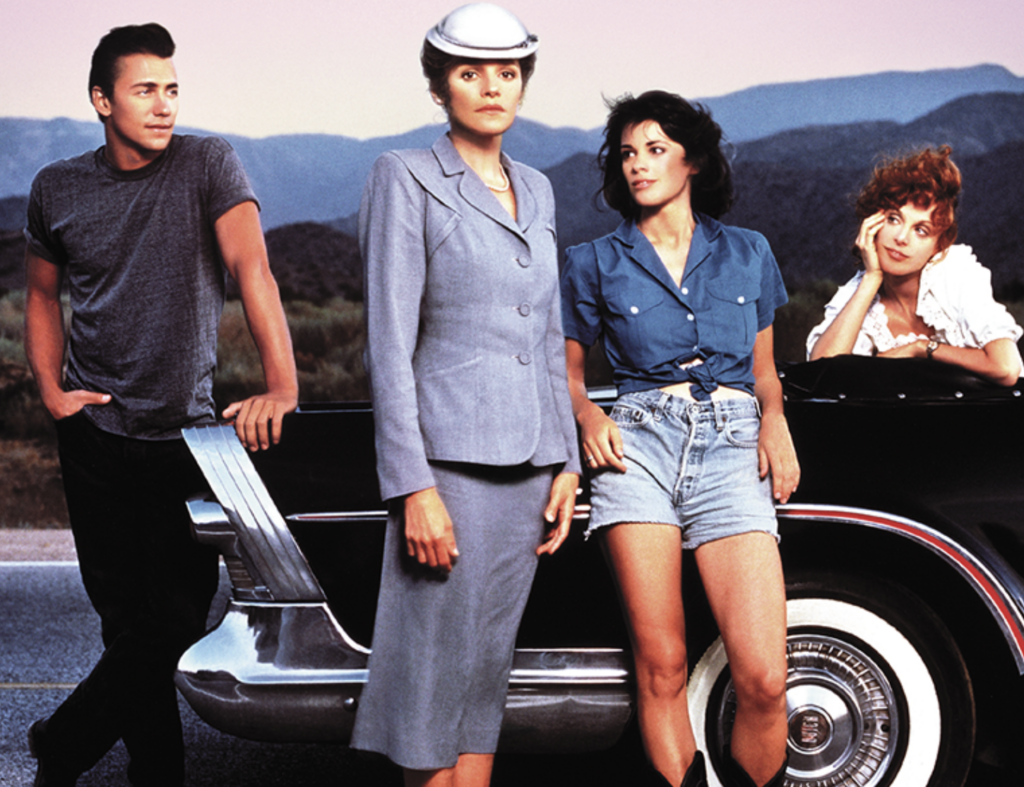
Four decades since its original release, the must-see classic lesbian favorite, Desert Hearts (1985), kicked off opening night and it hasn’t lost a spark. Set in 1959, buttoned-up professor, Vivian Bell, lands in Reno to pursue a divorce. When Vivian meets the free-spirited casino worker/sculptor Cay Rivers, the slow burn begins to unfold. The screening wrapped up with a rare Q&A with director Donna Deitch and actress Patricia Charbonneau.
Like Desert Hearts, Show Me Love (1998), boasts a 2K restoration. Set in the Swedish town of Åmål, this story follows an outsider teen Agnes, who daydreams about Elin — the lively, rebellious sister of the school’s most popular girl. On a bet, Elin kisses Agnes then leaves for a party – which leaves Agnes dejected, naturally. Fear not – paths and energies do eventually intersect. The coming-of-age story has earned praise as a tender journey to self-acceptance, and will be on the big screen on March 28.

Show Me Love – directed by Lukas Moodysson
If you’re in the mood for something from our siblings, Dakan (1997), recognized as the first queer love story from West Africa, tells the story of two young men, Sory and Manga, who can’t deny the intensity brewing between them. After disclosing their feelings to their parents, the two are separated: Sory, to work in his father’s business and Manga, to spend a year with a traditional healer in the backcountry. Set in contemporary Guinea, the film—and the filmmaking itself—defied the convention of the time. Queer resilience is at the heart of both the story and what it took to get it made. Dakan has been praised as a testament to love’s triumph over repression.
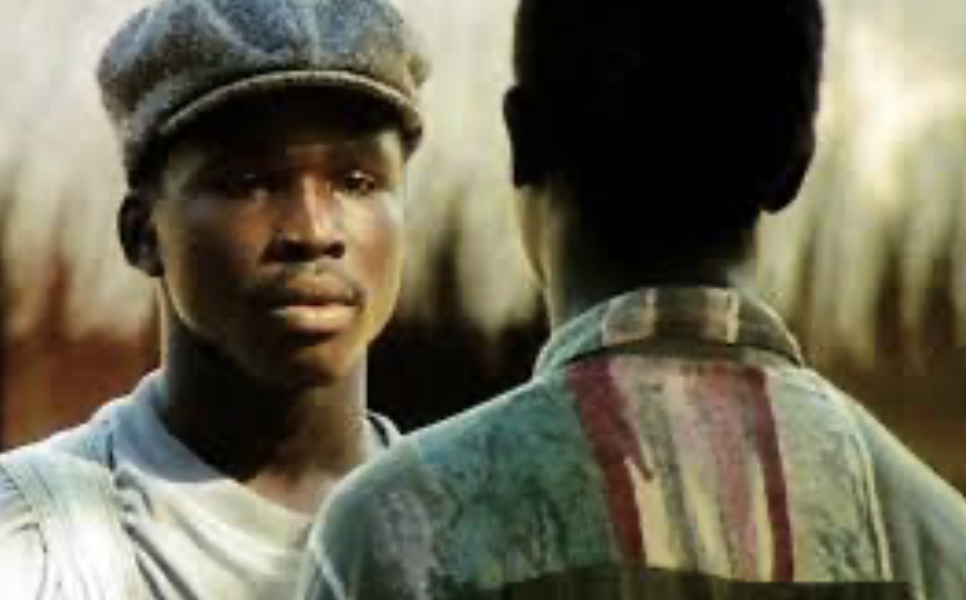
Dakan – directed by Mohamed Camara
On the documentary front, filmmaker Ellen Spiro took her video camera and dog on her travels from Virginia to Texas to the openly gay culture in the Deep South. Greetings From Out Here (1993) is a virtual exclusive at this year’s fest. Filmed at locations that include the Texas Gay Rodeo, Mardi Gras, Dollywood, Miss Miller’s Eternal Love and Care Pet Cemetery and the Short Mountain Radical Faerie sanctuary, you can expect to meet up with a few eccentrics (and the requisite mechanic or two).
Related: NewFest’s “Queering The Canon” Is Back And We’re More Obsessed Than Ever
Sundance Grand Jury Prize winner for best documentary, Southern Comfort (2001), follows the final year in the life of Robert Eads, a transgender man in Georgia, who develops ovarian cancer, and finds doctors will not treat him. Amid the heartbreaking injustice, Eads falls in love with Lola, a transgender woman. Live screening March 29.
Mexican drama The Place Without Limits (1978) centers on Manuela, a gender-fluid (then called “transvestite”) brothel owner, and her daughter. Word is the “tumbleweed town’s fragile peace” gets threatened with the return of an unwelcome visitor to the town of El Olivo. The March 30 screening will be followed by a Q&A with Nicolas Pedrero-Setzer.
Rounding out the retrospective is Waiting for Guffman (1996). As Newfest puts it: Welcome to Blaine, Missouri, and this seminal satire featuring a dynamic comedic ensemble – including Parker Posey and the late great Catherine O’Hara – on a 35mm print.
Each film is allocated one night of in-person screening. All five streaming films are available virtually March 26 at 12 PM through March 30 at 11:59 PM EST. Find the full lineup here.