

Lucy Dacus And Janelle Monáe On Queer Freedom And The Power Of Becoming

From Baptist roots to liberated reinvention, Dacus and Monáe share how queerness has shaped their freedom and their art.
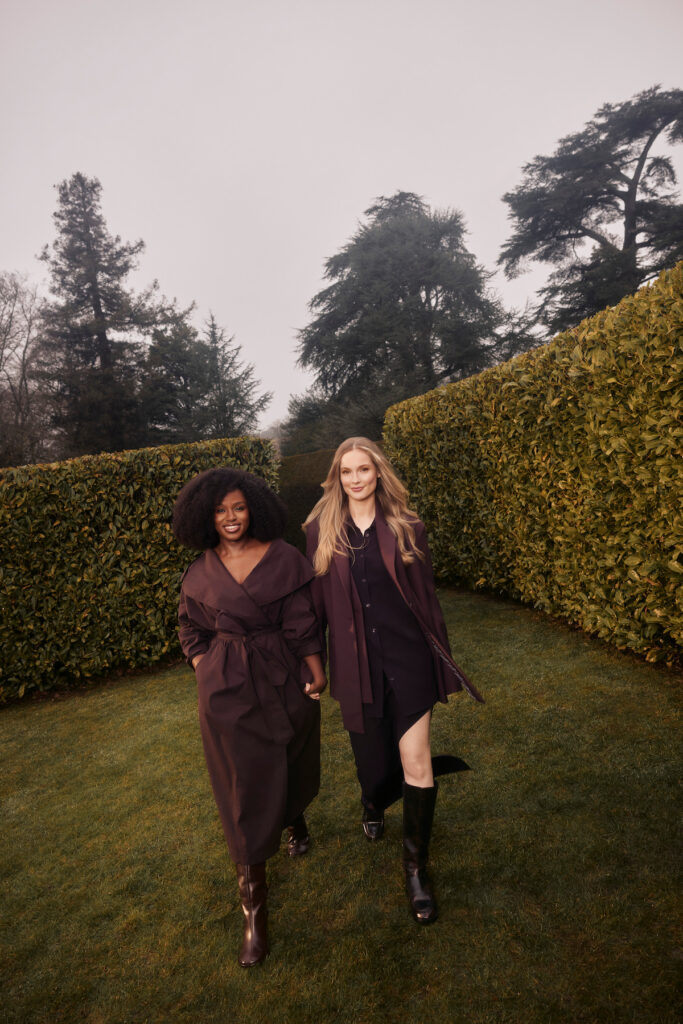
Featured images: Janelle Monáe by OLI SCARFF/AFP via Getty Images; Lucy Dacus by Matt Jelonek/Getty Images
In a recent Rolling Stone conversation, out artists Lucy Dacus and Janelle Monáe spoke candidly about queerness, faith, and creative identity. Their exchange revealed two artists grounded in reflection, navigating what it means to live and work without confinement.
Faith came up early and naturally. Both creative powerhouses were raised Baptist, and both have since had to unlearn lessons that shaped their early ideas of gender and safety. “We could not show skin,” Monáe said. “There were a lot of women in our family who were violated, so they would say ‘cover up’ as a way to protect yourself from men being attracted to you. And I had to unlearn that. My freedom is important. My bodily autonomy is important, and my freedom cannot be choked so that you cannot have urges to want to rape me or molest me or violate my body.”
“It’s not on you,” Dacus answered
Monáe continued, “That’s not my problem. That’s something you need to control.”
For both artists, that process of unlearning has become creative material. When Dacus mentioned Monáe’s topless album cover for 2023’s The Age of Pleasure, Monáe replied, “I guess I’m making up for lost time. I don’t know. But I’m also just honoring my body and saying, ‘I’m sorry.’ I’m sorry that I didn’t know that it wasn’t my fault.”
Related: Janelle Monáe Clarifies That “PYNK” Is A Femme Anthem For ALL Women
Their exchange moved from freedom of the body to freedom of self. Monáe described identity as movement rather than a fixed point. “For just going between — I say water and rock. Soft and hard,” they said. “Being nonbinary, I think of it in energy.”
Dacus related to that fluidity. “If I was told ‘You have to be one way forever,’ I would be like, maybe life’s not for me,” she said. “It’s very important every day to wake up and be like, ‘Is it boy day or girl day?’… I feel more myself in more traditionally masculine clothes. But I want both. I want it all.”
That ease between them extended into their talk about creativity. Dacus noted that her music often unfolds like a film. “An album to me, what makes you not turn it off is thinking about it as a progression through scenes. You have to earn the end of the record,” she said. “So often, my favorite songs are toward the end of the record because it’s like you set up the question and go on the quest and then you arrive at something.”
Monáe agreed. “I don’t lock in to making an album unless I know how I want to start it, the acts within it, and how it’s going to end. I need to know the hero’s journey,” they said. “I need to know the turning point, the call to action, all the things. And I need to get out the messiness of who this person is so you can feel the transformation of them.”
Related: MUNA’s Katie Gavin Gives Lucy Dacus A Shave While Recreating Iconic Lesbian Cover
Dacus described her new record, Forever Is a Feeling, as an exploration of love and loss. “The more I love my life, the more I feel I have things to lose,” she said. “Forever Is a Feeling is a lot about falling in and out of love and having love just wreck your psyche. It changes your life whether you’re ready for it or not.”
Even their talk about technology felt grounded. Monáe recalled reading The Singularity Is Near before making The ArchAndroid: “That was talking about the Turing test and how when AI can trick you into believing that you’re talking to your mother and you’re not, that is when the singularity is going to happen.” Dacus admitted her discomfort with how close that reality feels now. “AI seems like an easy way for people to get out of the dirt and grime of having to coexist.… When actually, it’s through the hardness of being with each other that we find the peace and the comfortableness.”
Monáe agreed. “I feel you. And I am scared too. I’m also hopeful that we will realize, as we have throughout history, that we need each other in real life as well.… Whatever we can do to get our feet in the sand and really connect, I think that will benefit us long term.”
Toward the end of their conversation, they circled back to the creative process. Dacus described how she documents her feelings through songwriting: “Every year, I have a thing [on my phone] called ‘various bits’ — every lyric idea, I put in there.” Monáe revealed she has a similar process for “concepts,” and told Dacus, “This was so magical and wonderful and so peacefully inspiring and creatively fulfilling to be in your presence.”
“I feel like we’re supposed to make movies, too, and we will,” Monáe added.
If that film ever gets made, find us at the front of the ticket line.