

10 Lesbians On What The Word Means To Them
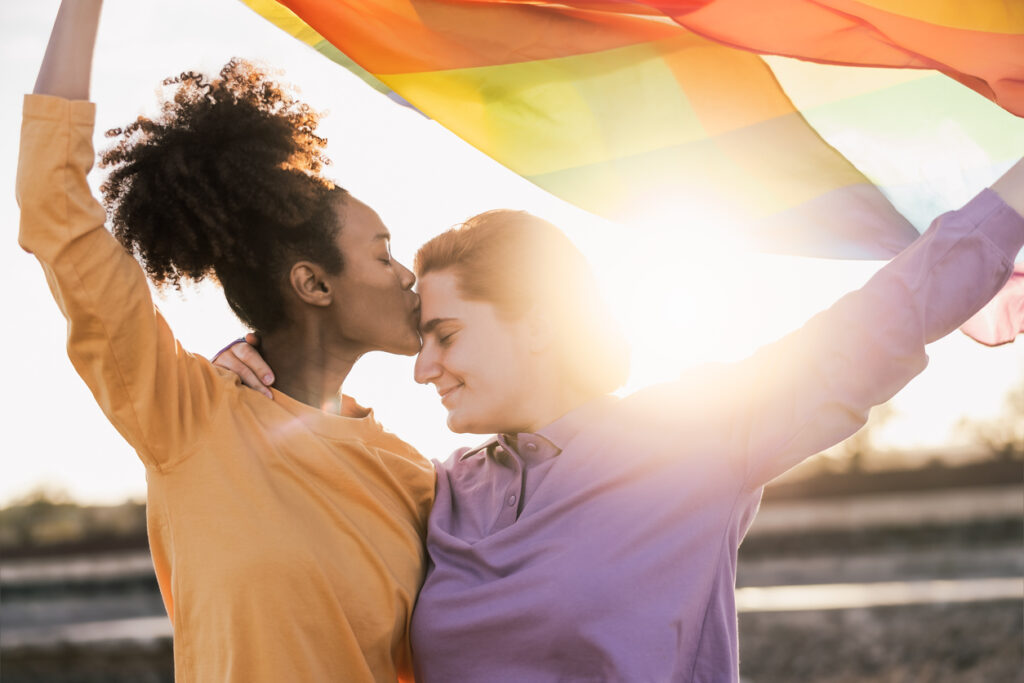
Ten lesbians sat down with GO to discuss their personal connections to the term ‘lesbian.’
If someone were to ask me, “What’s your sexuality?” I would say, “I’m a lesbian.” After a long discussion one night with my lesbian sister and my girlfriend, we came to the conclusion that there is a big difference between responding with “I’m a lesbian” and “I’m lesbian.” We broke down the grammatical and philosophical significance of these phrasings, and arrived on common ground: the word “lesbian” means infinitely more than “women who love women.” It can be a way of life, a purpose, a means of connection, and so much more.
As “lesbian” can be such a vast word that encompasses many different experiences and people, GO Magazine surveyed ten different lesbians on what the word means to them. From a 79-year-old Baltimorean to a 24-year-old living in Orlando, FL, these ten people have one massive thing in common: lesbian. The experiences and understandings that each of these people has with the term sheds light on their personal journeys to self discovery and how lesbianism can transcend only sexual understandings of the word. Here’s what they each had to say.
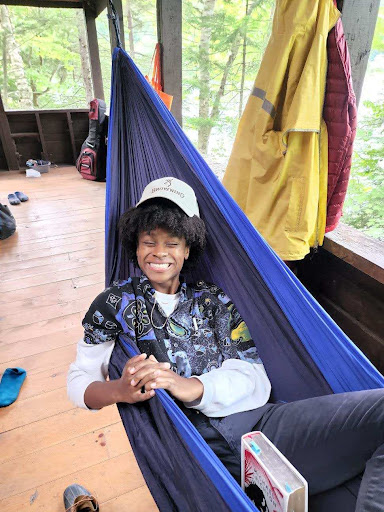
Alana (she/they), 24
When Orlando resident, Alana, first heard the word lesbian as a kid, they said it “always had a more sexual connotation” than other terms describing sexuality, like gay. “ I feel like even other lesbians would always tend to say gay or queer…because of the way lesbians were portrayed in media from the ‘90s to early 2000s.” Alana remarked on how the negative association with the word made them feel “a hesitancy to say the word lesbian because it felt almost inappropriate, but now I definitely don’t think that way- I think it’s such a beautiful word to say lesbian.”
Through getting older and finding lesbian community, Alana’s relationship with the term has changed. “The past few years I’ve been in a lot more outskirt or rural or southern places, so if I hear lesbian around me now it’s definitely more like,‘Oh, yay, there are other lesbians here.’” Alana’s acceptance of the word lesbian brought about a newfound freedom and perspective on life that has allowed her to fully embrace every part of herself. “For me, that kind of joy is just knowing I’m free to dress how I want. I’m free to grow out my body hair. I’m free to wear weird clothes. I’m free to hang out with my lesbian friends in public… knowing it’s okay to be yourself and to be out loud and public.”
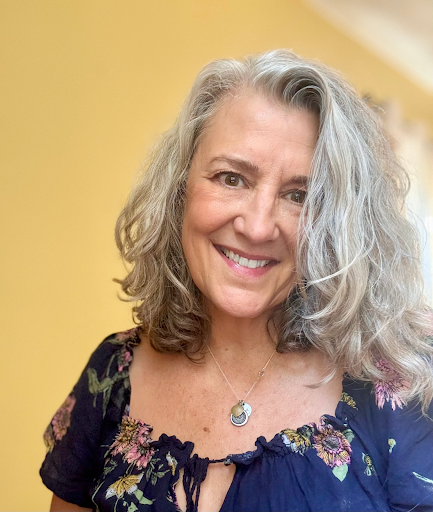
Laura (she/her), 57
Laura reminisces to GO about growing up in the Appalachian mountains of Virginia and the joy of making lesbian third spaces. “We used to have these dances in Norfolk in the mid to late ‘90s that were just all lesbian dances… and I’m thinking I’ve got to do that here… I miss that a whole lot. That’s joyful.” Between the dances, lesbian potlucks, and gay bars, the word lesbian is rooted in a strong sense of community. “Immediately, physically, my chest swelled up.I feel pride…That moniker, lesbian, is a badge of honor.”
And it’s not just a point of pride. To Laura, there is an unmistakably important connection between language, politics, and identity. “Using the word lesbian to describe myself is a political action.” For Laura and many others, the word lesbian can signal an opposition to oppressive structures. “When I’m talking about the patriarchy, I frequently will say that I’m a lesbian, or if I’m joking, I’ll just say, ‘Yeah, I’m just an old dyke.’”
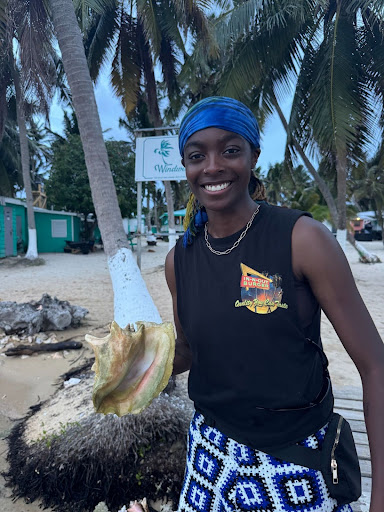
Tee (she/her), 26
Tee, from Oakland, California, joins many other lesbians in the sentiment that the word lesbian fosters purpose and fulfillment in its specificity of experience. “I love that some people don’t like labels, and labels feel restricting to them. But, for me, personally, I love that I can put what I like into words. I feel very lucky for that.” Tee, like many lesbians, feels that their label is a source of freedom, not restriction.
This pride and comfort around the word has grown over time. The secrecy and shame society has enforced regarding lesbian identity can play a huge role in how lesbians feel about themselves. Mainstream society confining lesbian sexuality into something that is only acceptable to experience in private can make it extremely challenging for lesbians to accept themselves. Tee went from “running away from ever having to use the word lesbian, even though I know that’s exactly who I was” to “throwing it around daily.”
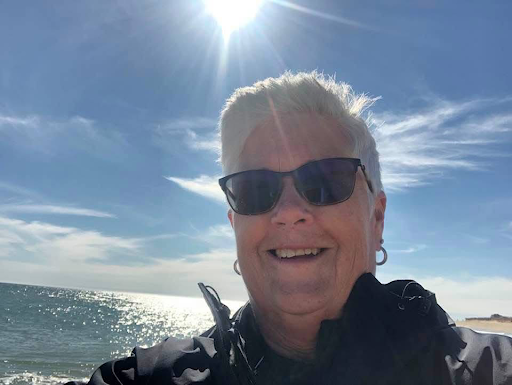
Mary (she/her), 68
Persevering and walking the path of self discovery is an experience that can come with many obstacles, no matter your sexuality. “When I first came out, which was in the ‘80s, there was a lot of discrimination and a lot of hate—not that that’s all changed,” says Baltimore native Mary. “But it was good to be a part of a community knowing I was a woman and joining millions of other women here and around the world.” The word “community” came up for Mary repeatedly when reflecting on the word lesbian, highlighting the strength and connection that is represented in the usage of the word itself.
For many, the word lesbian can signify the joy that is rooted in our community. For Mary, lesbianism is about embracing all forms of love and the power of our relationships through “being with other people that are like you- that are also lesbian, finding your soulmate, whoever that might be, celebrating, and protesting.”
Velvet (she/her), 28
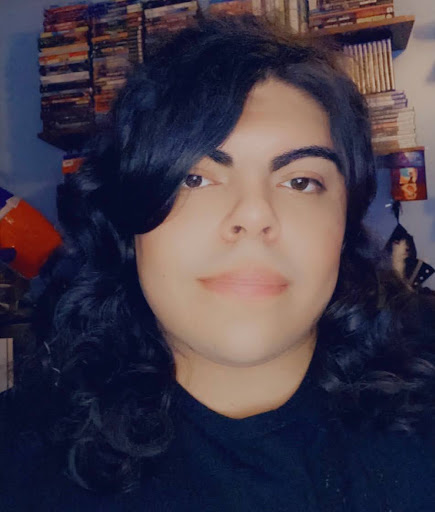
For Velvet from north New Jersey, the word “lesbian” nurtures the sense of coming home and belonging. “I think there’s so much peace and comfort in it…really being settled and at home in that identity and that community.”Across the board, finding language to define the way we love and carry ourselves in the world was both essential to lesbians’ livelihood and joy.
Velvet also underlined the strength and significance of owning your lesbian identity in spite of political and personal agendas to water it down “Especially what’s going on in censorship culture, and like some overall queer conversations, it’s just nice to be in spaces where people will say the word, and don’t have to make it more palatable.” Although the word lesbian can have an unjust reputation for being “dirty” or “shocking,” Velvet brings a new perspective in her authentic love for being a lesbian, saying she “wouldn’t trade being a dyke for anything.”
Aubrey (she/her), 35
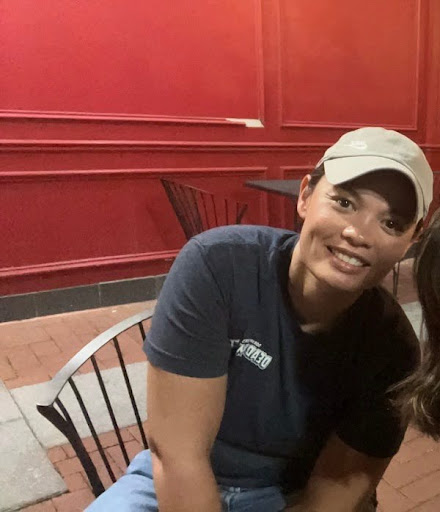
Societal treatment of queer people as separate or outside of ‘normal’ sexuality can also play a big role in the lesbian community’s own perception and feelings around the word. Aubrey from Arlington, Virginia told GO that, “coming up in a time where it wasn’t socially accepted, we didn’t really use the word lesbian that often. We just said that we just happened to be attracted to other women.” Where you grow up and who you’re surrounded by can shape people’s perception of the word lesbian. Even as the term has become more socially accepted, “back then it was kind of derogatory in a way… I was in a small town in Alabama, so it’s even worse.”
Aubrey was able to grow into her own identity by moving to a larger, more accepting city—an experience that is familiar to many others in the community. Now, she says it’s a whole new world. “If people are like, ‘oh, you’re a lesbian,’ I’m like, ‘yeah’… I don’t shy away from that word or avoid that word now.” For Aubrey, being surrounded by other lesbians in a non-judgmental environment helped her safely express herself.
Jo (they/them), 24
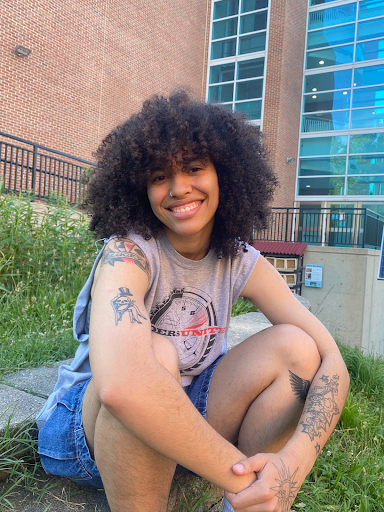
“As I still come into my own as a lesbian, I still feel like the meaning of it expands for me every day as I meet new people and see different communities,” Jo from Washington, DC told GO. Jo says the word lesbian encompasses so many different types of people and allows for so many multifaceted understandings of the identity, all with the common thread being “the ability to be wholly yourself, and surrounded by people who allow you to be.”
Creating your own positive associations with the word lesbian in opposition to shameful colorings of the term was an experience true for them, and many other lesbians. “When it is regarded as this like cursed word if you call yourself [a lesbian] it’s like you’re separating yourself from the history of lesbianism- socially, culturally, you get to kind of remove yourself from it and just like be ‘gay’ and just like women.” While the journey to self-acceptance is different for everyone, Jo says, “there was a finality about being a lesbian, at least it was to me, where it’s like there’s no room, there are no men.”

Qiqi (they/them), 25
For Qiqi, the word lesbian not only speaks to a particular lived experience, it also nurtures the expansiveness of each individual who identifies with it. Qiqi, who is based in Brooklyn, says their gender identity aided their understanding of lesbianism. “It’s been really beautiful understanding and accepting our community, whether it be other lesbians, or nonbinary lesbians, and I felt so much love from all my transbian sisters as well.”
Kinship with other lesbians and the unconditional love embedded in the word lesbian was also extremely apparent for Qiqi. “Sheer unadulterated joy- like when someone tells me that they’re also a lesbian or a dyke, my heart soars, you can see the sparkle in my eyes, so to speak.” To Qiqi, embracing the word lesbian has meant “it’s all about celebration, it’s loving unabashedly- it’s not caring what the world thinks about you.”

Jill (she/her), 61
For Jill from Oakland, CA, the word lesbian emphasizes connection and care beyond just the lesbian spectrum. “I see lesbian joy as being very pro-choice, pro-feminist, pro-humans, like loving women. And in loving women and loving the feminine, loving the earth, and there’s a sort of dancing, potluck, tea drinking, goofy earnestness to it.” For Jill and many others, the word lesbian is associated with a sense of community responsibility for the liberation of all people.
While taboos around the word lesbian can be especially palpable during one’s upbringing, for Jill, however, the shift towards mainstream acceptance has been equally significant. Specifically, looking back on her visceral response to the Ellen DeGeneres episode where she comes out, “it made it concrete that one, I wasn’t supposed to say it out loud… and then also, ‘oh that’s me– how can this possibly be that big a deal?’” Jill told GO that the societal reaction to saying the word lesbian has changed so much during her lifetime. “Before it was sort of living on the edge, and now it’s so sweet.”
Chris (she/her), 79
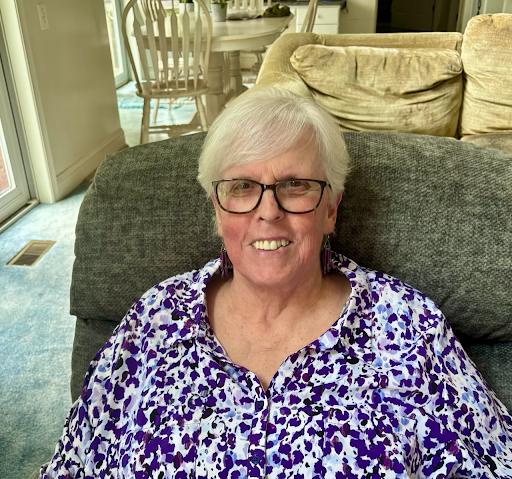
When Cockeysville, Maryland resident, Chris, hears the word lesbian, she reflects on her unique experience of growing up with a mother who was accepting of all identities, while other outside voices were reinforcing traditional heternormative roles. Chris’s mother “was very inclusive,” while Chris was “always what they would call a ‘tomboy.’ I liked sports, I liked sciences… my stepmother was totally appalled that I only had one dress in my closet.” Chris didn’t have any negative associations with the word lesbian growing up, and realized she was a lesbian later on when she was truly contemplating her sexuality and thought, “I don’t dream of men.”
Although she uses the word lesbian to describe herself, Chris emphasizes that we need to remain united and connected in the queer community and beyond. “I don’t think gay joy or lesbian joy or bisexual joy- I don’t think of those as being different,” she said. “I think of them all as just kind of joy.”