

Atlanta’s Trans Housing Coalition Steps In To Provide Much-Needed Resources
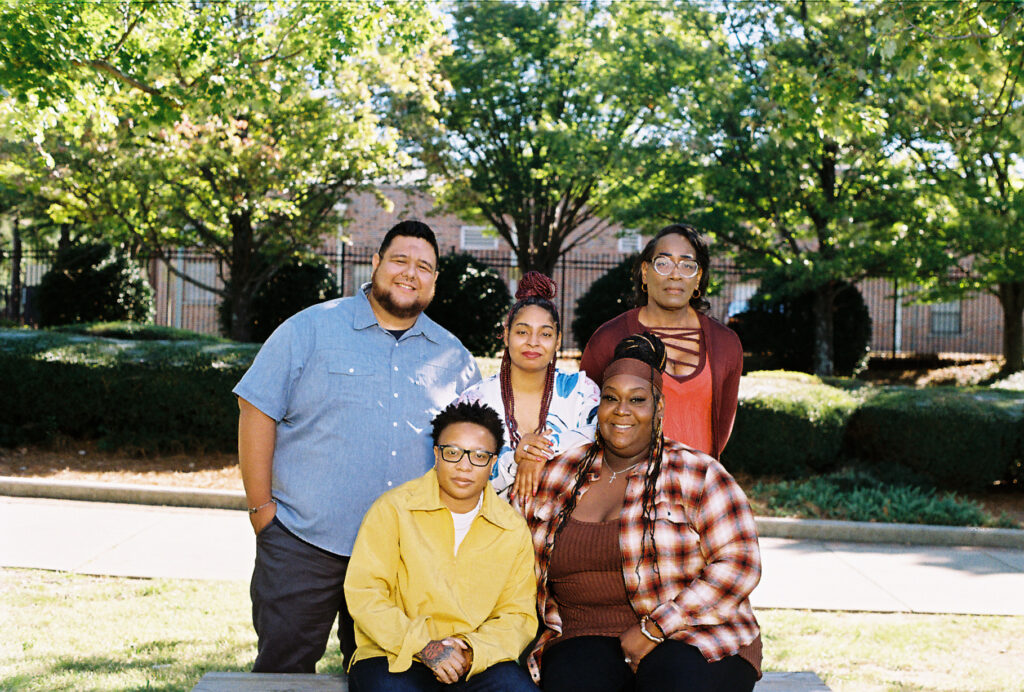
GO spoke the Trans Housing Coalition Executive Director Mary Wilson for National LGBTQ Center Awareness Day.
Featured Image: The Trans Housing Coalition team. Photo courtesy of the Trans Housing Coalition.
In the U.S., trans rights have never truly been protected by the federal government. For decades, these rights were ignored, diminished, and even outright violated. Painfully, that remains true today. In only his first year in office of his second term, President Trump has denounced transgender identities, signing a litany of executive orders that invalidate trans existence and cruelly revoke basic rights. The orders touch every point of daily life and existence, aiming to limit access to gender-affirming care, ban transgender people from the military, and reduce funding granted toward research topics centered around supporting gender diverse people, among many other inhumane restrictions.
Many of these orders are currently being challenged in court, a testament to the validity of trans people and the humanity of allies. Yet, the Trump administration’s pervasive, violent stance on transgender rights forms a near constant newstream. Just last week, he threatened California schools that don’t follow his policies on barring trans athletes from participating in sports according to their gender identity. Trump claimed he would withhold their federal funding in retaliation. This never-ending attack on trans rights from the highest political stage has only stoked the flames of inhumane hatred and fear.
Related: It Takes A Village: Red And Blue States Alike Are Fighting For LGBTQ+ Rights
One of the many ways this inequity shows up is within housing. One in three trans people will experience houselessness in their lifetime, a devastatingly disproportionate outcome. Further yet, 62 percent of currently unhoused people seriously consider suicide, evidencing how housing is a basic tenet of life and healthcare, according to The Trevor Project.
GO Magazine sat down with Mary Wilson, the Executive Director of the Trans Housing Coalition, to discuss THC’s approach to supporting transgender people in this contentious political moment. THC is an Atlanta-based, trans-led non-profit centered on connecting transgender and gender non-conforming people with long-term housing. The coalition specifically supports adults who have faced chronic houselessness. Beginning from a photography project that transformed into a crowdfunding GoFundMe campaign by Jesse Pratt López in December 2019, the coalition has supported over 300 folks in the Atlanta metropolitan area.
The following Q&A between GO Magazine and Mary Wilson has been edited for clarity.
GO: You’ve done some really important work in Georgia. Can you tell us about the basics of the Trans Housing Coalition?
MW: Our mission is to move trans folks and gender non-conforming folks in Atlanta from off the street into permanent housing. We do wraparound services, so that includes full case management. We get them connected to not just housing, but hormone replacement therapy, gender-affirming care, employment services, and any behavior or health services. They’re also able to come to the office to get clothes or any hygiene products. We also assist them with food insecurity and help them with food stamps.
Related: 10 Free Resources For LGBTQ+ Education And Inclusion
GO: Do you think there’s a community born from THC, or is it more of a tactical process?
MW: We have a community. That’s why we have ‘coalition’ in our name. We know we can’t do it alone. Atlanta itself has a huge trans population, so we need resources. We have a great following. We’ve had people who’ve been following us since the inception because it did come from such grassroots organizing to where we are today.
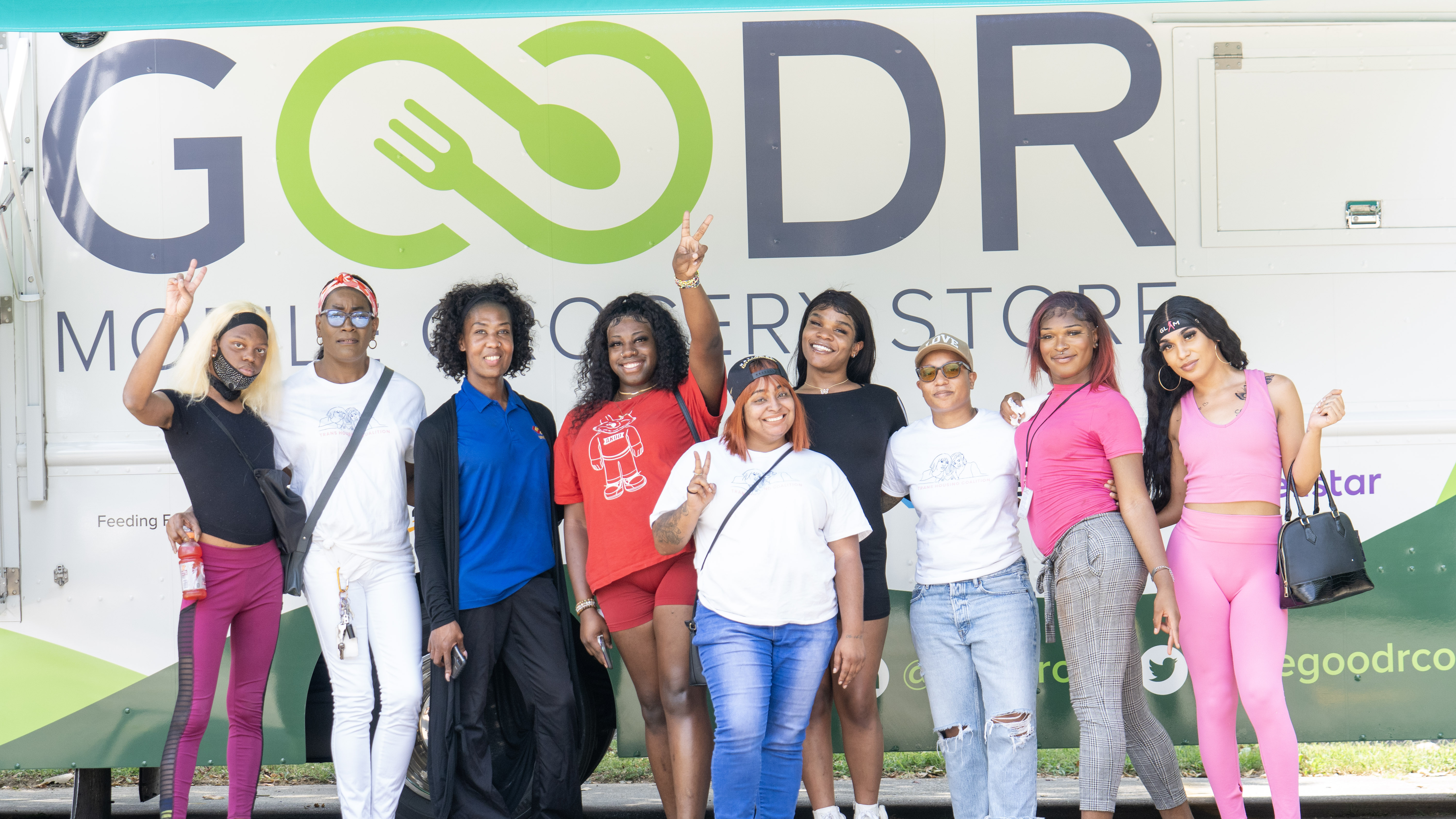
GO: Why is THC even more important at this moment in history?
MW: With everything going on under the new administration, it’s been crazy. On top of that, we’re juggling capitalism and inflation. The housing market in Atlanta is really rough and really bad. We are also working with safety issues, housing discrimination, and anti-trans legislation.
The experiences are so different for trans people. I think the median income for someone who’s trans, especially when we start talking about Black trans folks, is $11,000 a year. Also, what’s unique is that we are seeing a lot of people flee from [states] where there is a number of anti-trans legislation, like Florida and Alabama. We have a waitlist for people, and we’re just looking for the funding so we can expand capacity. We could serve more, but we’re just such a small team, and we’re the only folks doing this.
GO: How is THC funded? Have there been any noticeable changes in donations or philanthropy in recent months?
MW: We got a lot of government grants in 2024 before things changed over, and this year, we have not gotten a lot of those government grants. We think that’s because of the current administration with the federal funding right now. They’re saying that they do not want to fund anything that’s gender-specific, gender justice, or anything like that.
Trans-focused and trans-led nonprofits have always been very behind in the philanthropy sites. It’s three cents for trans-led and trans-focused nonprofits for every $100 [granted by U.S. Foundations].
Related: The Free To Be Youth Project Continues Providing Hope For Queer Kids
GO: What does THC’s housing first approach mean? How is it different from other housing organizations?
MW: Housing first essentially means that we require no prerequisites. To be in our program, you don’t have to be sober, you don’t have to not be doing sex work, you can be positive. Housing is the number one crisis [that] we’ve seen historically. And what the research shows is that once people are housed, the other things start working themselves out.
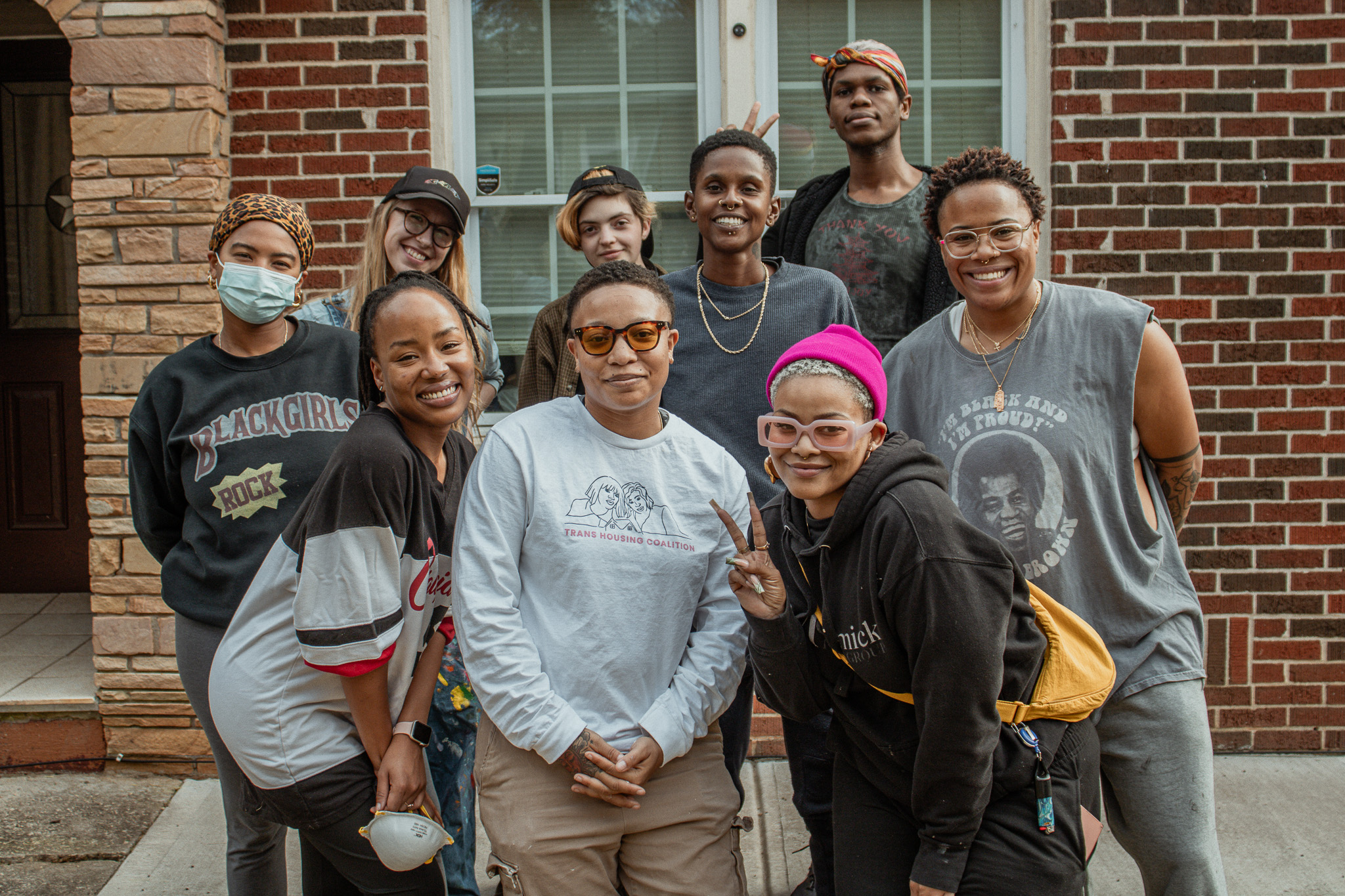
GO: How would you advise other LGBTQ community organizations or centers to be better aware of the specific dangers and discrimination that trans people face?
MW: It’s making sure that trans people are included to have those conversations because when trans people are included, you really understand and learn about the discrimination and the things that they face.
Related: The March That Couldn’t Be Stopped
GO: In the spirit of National LGBTQ Center Awareness Day on October 19, are there specific ways you would encourage people to get involved and support THC?
MW: Go to our website and subscribe to our mailing list, of course. Donations are amazing. It keeps our lights on and allows us to continue this work.
To support THC, visit their website, Instagram, and Facebook. Consider making a donation here.