

Virginia Senate Votes To Remove Anti LGBTQ+ Language From State Constitution. Now It’s Up To The Voters.
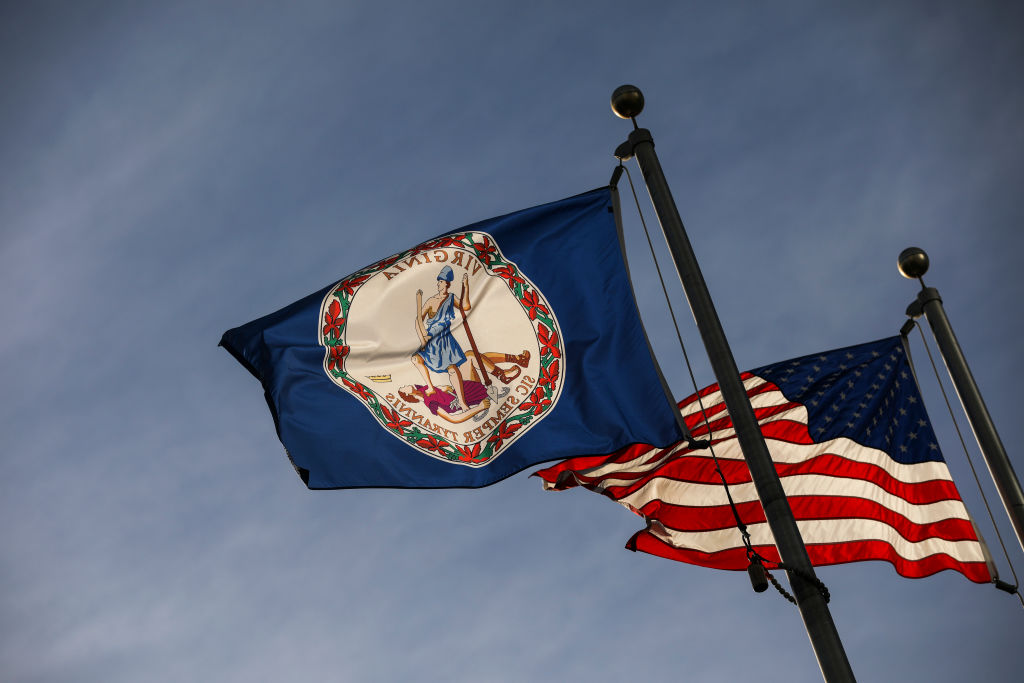
Nearly two decades after voters approved a marriage ban, Virginians will be asked to decide whether to formally enshrine marriage equality in the constitution.
Featured image by Drew Angerer/Getty Images
Virginia Democrats have taken another decisive step toward scrubbing the state’s anti-LGBTQ+ past from its constitution. In a 26–13 vote, the Virginia Senate advanced a proposed constitutional amendment that would formally repeal the Commonwealth’s ban on same sex marriage and replace it with explicit protections for marriage equality.
The measure, Senate Joint Resolution 3, was introduced by state Sen. Adam Ebbin, Virginia’s first openly gay legislator. If ultimately approved by voters, the amendment would bar the state from denying a marriage license “to two adult persons seeking a lawful marriage on the basis of the sex, gender, or race of such persons,” and require Virginia to recognize lawful marriages equally under the law.
While same sex marriage has been legal nationwide since 2015, Virginia’s constitution still contains language approved by voters in 2006 defining marriage exclusively as between a man and a woman. That provision has been unenforceable for nearly a decade, but its continued presence has been a source of anxiety for LGBTQ+ couples, particularly as the U.S. Supreme Court has grown more conservative and openly hostile to past civil rights rulings.
Related: Texas Judge Who Refused Same Sex Weddings Now Seeks To Overturn Marriage Equality
“It’s time for the Virginia constitution to accurately reflect the law of the land. Full stop,” Ebbin said in a statement. “20 years ago, the Virginia Bill of Rights was unnecessarily stained in an overreaction. It’s past time to fix that and see that loving Virginia couples are not mistreated or discriminated against. I am confident that the voters will ratify this marriage equality amendment in November.”
The amendment has already cleared an important procedural hurdle. Virginia requires constitutional amendments to pass in two consecutive legislative sessions before heading to the ballot. Both chambers approved the measure in 2025, and the House of Delegates voted again in favor earlier this month. With the Senate’s approval now secured, marriage equality will appear before voters in November 2026.
For many, the vote is about more than symbolism. In 2024, amid growing fears that federal protections could be weakened or overturned, then Gov. Glenn Youngkin signed legislation codifying same sex marriage into state law. While that statute ensures marriages remain legal even if federal law changes, supporters of the amendment argue that a statute is still vulnerable in ways a constitutional guarantee is not.
“It’s about time Virginia gets this done,” said state Rep. Mark Sickles, who carried the companion resolution in the House. “All Virginia couples deserve the freedom to marry without fear that their rights could be rolled back. By advancing this amendment, we’re ensuring that the freedom to marry is protected by the people. It’s up to the voters now and I’m confident they’ll do the right thing in November.”
Related: Supreme Court Rejects Call To Overturn Same-Sex Marriage
The urgency is not hypothetical. Over the past year, Republican lawmakers in several states have introduced resolutions urging the Supreme Court to revisit and overturn its marriage equality ruling. Two sitting justices have publicly expressed a desire to do just that. Although the Court declined in November to hear an appeal from former Kentucky clerk Kim Davis that directly challenged marriage equality, the broader threat remains.
Marriage equality was one of four constitutional amendments advanced by Virginia Democrats on Friday. The Senate also approved proposed amendments addressing abortion access, voting rights restoration for people with felony convictions, and redistricting authority in response to aggressive mid-cycle gerrymandering efforts in other states.
Together, the package reflects an effort by Democratic lawmakers to lock in civil rights protections at the state constitutional level, particularly as national politics grow more volatile.