

Viktor Orbán, Prime Minister Who Banned Pride And Passed Anti-LGBTQ+Laws In Hungary, Defeated
In a landmark election in Hungary, Trump ally Viktor Orbán was ousted after 16 years as Prime Minister – EU leadership hails the moment as a new chapter for Hungary.
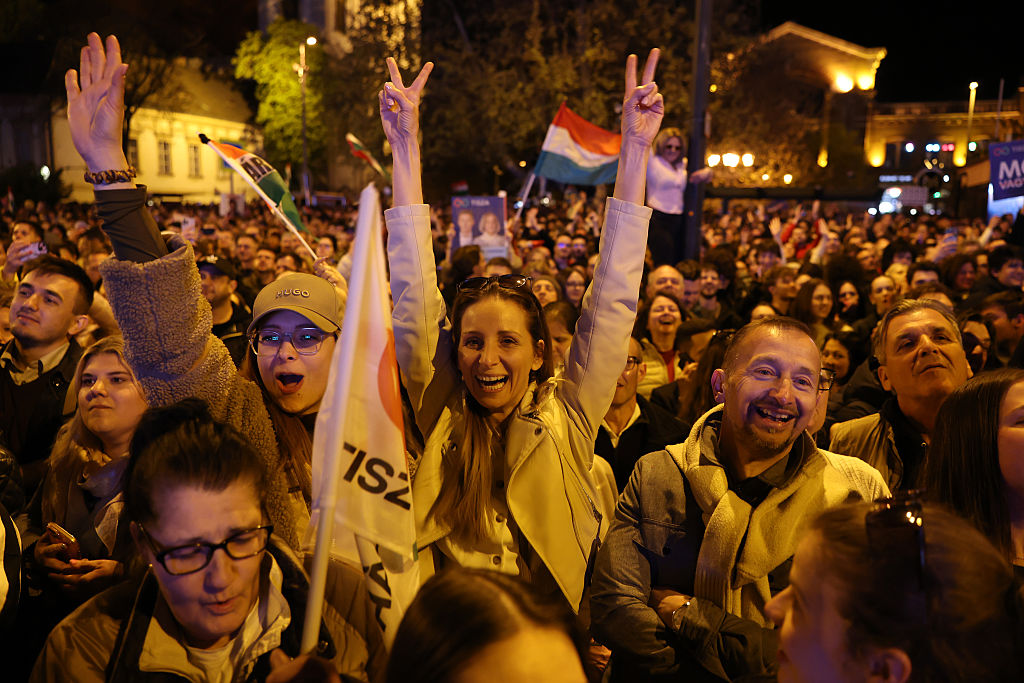
Featured Image: Revellers celebrate Hungarian parliamentary elections on April 12, 2026 in Budapest; Prime Minister Viktor Orban of the Fidesz party has conceded his party’s election loss, paving the way for Peter Magyar. Photo by Sean Gallup/Getty Images
Crowds began gathering in the daylight and stayed on into darkness, bearing Hungarian flags and candles, shadows flickering on elated faces. Leaders across Europe hailed the victory as a new chapter for Hungary and its relationship to the European Union. In a landmark election, on Sunday, April 12, Viktor Orbán conceded defeat after 16 years as Prime Minister of Hungary.
“Hungary has chosen Europe. Europe has always chosen Hungary. Together, we are stronger. A country reclaims its European path. The Union grows stronger,” European Commission President Ursula von der Leyen posted on X.
Ma este Európa szíve erősebben dobog Magyarországon.
— Ursula von der Leyen (@vonderleyen) April 12, 2026
Europe’s heart is beating stronger in Hungary tonight.
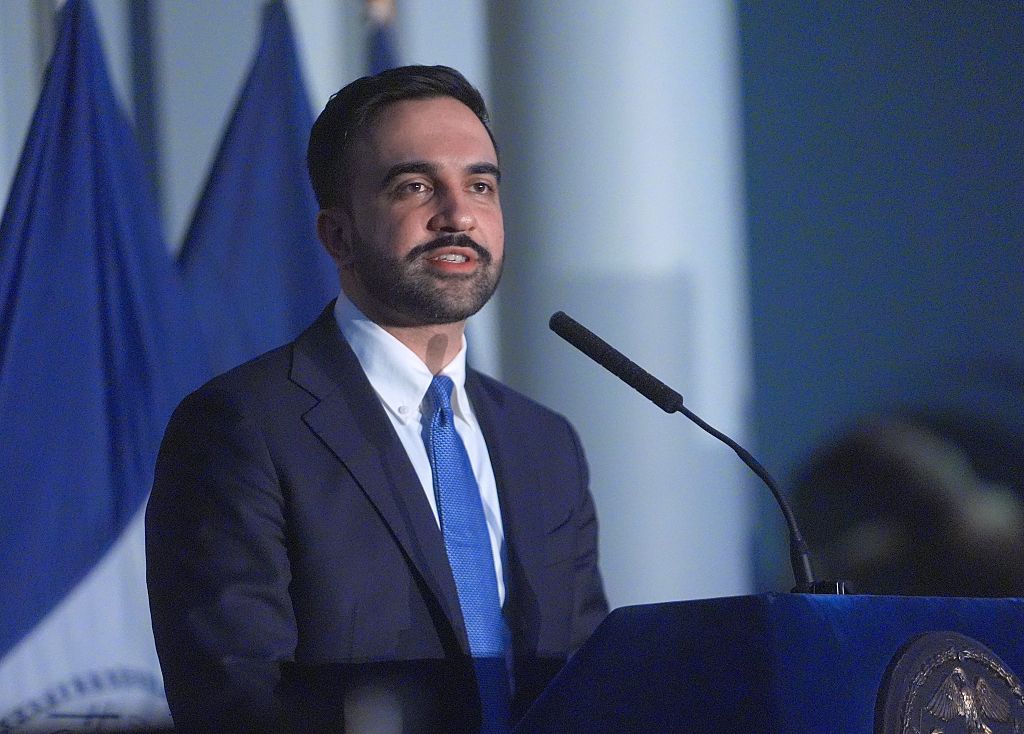
Orbán, noted on Sunday by the New York Times as “a lodestar for MAGA culture warriors and right-wing populists in Europe,” stated even as results were not complete, but becoming clear: “They are painful for us but unequivocal.” He congratulated Péter Magyar, pro-European conservative Tisza party candidate and former Orban loyalist: “The responsibility and opportunity to govern were not given to us.”
The defeat of Viktor Orbán and his far-right Fidesz party won’t be leaving the Kremlin and Trump administration partying like the folks were last night on the Danube.
Leading up to the election – and in the dark glow of Donald J. Trump’s April 7th threat to decimate an entire civilization – it was beginning to look like a Trump endorsement could well prove a liability. Last week, Vice President JD Vance was dispatched to Budapest to shore up Viktor Orbán’s bid for re-election. It was a full throttle attempt by a far right administration with authoritarian leanings to bolster the chances of a fellow strongman to win. Trump tried to sweeten the pot with an offer to prop up Hungary’s economy with U.S. money days before the election, even as he has slashed funding for domestic programs, cut international aid, and led the U.S. into spending about $2 billion per day on a war in Iran, which by all accounts, is proving a quagmire, if not colossal disaster—all while entertaining visions of gold ballroom accouterments,

Image: Truth Social post by Donald J. Trump
Over the years, Orbán used his position (and could well be said to have acquired it) by promoting hostility toward immigrants and the LGBTQ community – rallying cries that have also served Trump’s ambitions in the United States.
Under Orbán, in 2010 the constitution was amended to redefine marriage: “Hungary protects the institution of marriage as the association between a man and a woman and the family as the basis for the survival of the nation.” In 2020, Hungary’s parliament ended legal recognition of trans people. In 2021, a decree mandated that children’s LGBTQ-themed books be sold in “closed packaging.” Facial recognition technology was authorized to surveil Pride attendees. And more.
Crackdowns on freedoms of expression have taken place in other spaces too.
Per the AP‘ on Reporters Without Borders findings, Orbán used media buyouts by government-connected “oligarchs” to build “a true media empire subject to his party’s order.” Hungary’s oldest daily newspaper was shuttered in 2016 after being bought by a businessman with ties to Orbán. Both election and legal systems have been in his cross-hairs, not unlike what we’ve been seeing here at home.
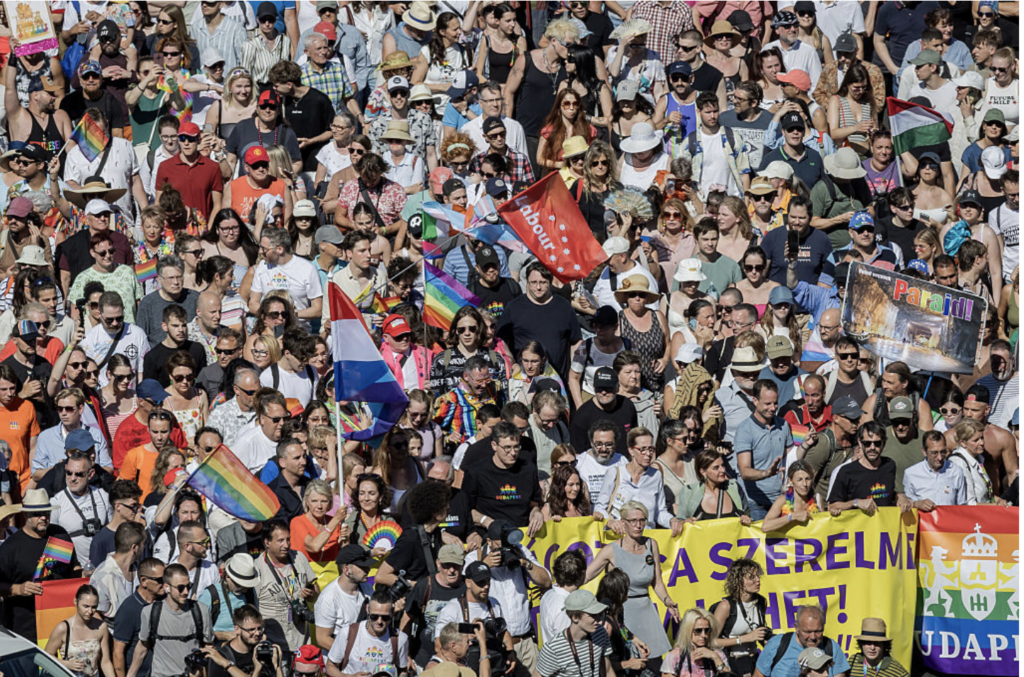
Image: June 28, 2025: The LGBTQ+ community defies the ban and holds Pride event in Budapest. (Photo by Janos Kummer/Getty Images)
So what does Péter Magyar’s victory mean to the LGBTQ community in Hungary? It’s not entirely clear yet but there’s reason to be hopeful. By many accounts, the conservative has said that he supports equality but has been quiet about positions on LGBTQ rights. Still, his ascent is considered a step toward putting Hungary on path to embracing more democratic ideals – at least those encouraged by the EU, whose leaders were visibly jubilant following this weekend’s voting outcome.
Related: The March That Couldn’t Be Stopped
As GO has previously reported, Viktor Orbán, who returned to power in 2010, was notoriously emboldened by Trump’s anti-DEI push in his quest to roll back LGBTQ+ rights. Under Orbán, Hungary was the first EU nation to formally ban a Pride march.
When the Budapest mayor found a loophole to allow the June 2025 Prideevent to happen, it didn’t take long before he was expected to appear at National Police Headquarters. Ultimately, by some estimates 200,000 people attended the 30th Budapest Pride Parade in what would prove to be one of the largest anti-government demonstrations against Viktor Orbán.
In April, Andrzej Sadecki, lead analyst at the Warsaw-based Centre for Eastern Studies (OSW), spoke with outlet France 24 about Péter Magyar’s socialization in the Fidesz party. “Left-wing voters might not be fully happy with his agenda, but they still support him, because he represents the biggest chance for change.”
It remains to be seen whether the election outcome in Hungary proves a harbinger of a shift in the U.S. toward something that more closely resembles the democratic ideals we have historically laid claim to.
“You have empowered us to build a functioning and humane country, for all of us,” Magyar said in his victory speech. An excellent starting point for any nation seeking renewal.