

Two Decades of Queer Parenting Visibility—A Conversation With Dana Rudolph
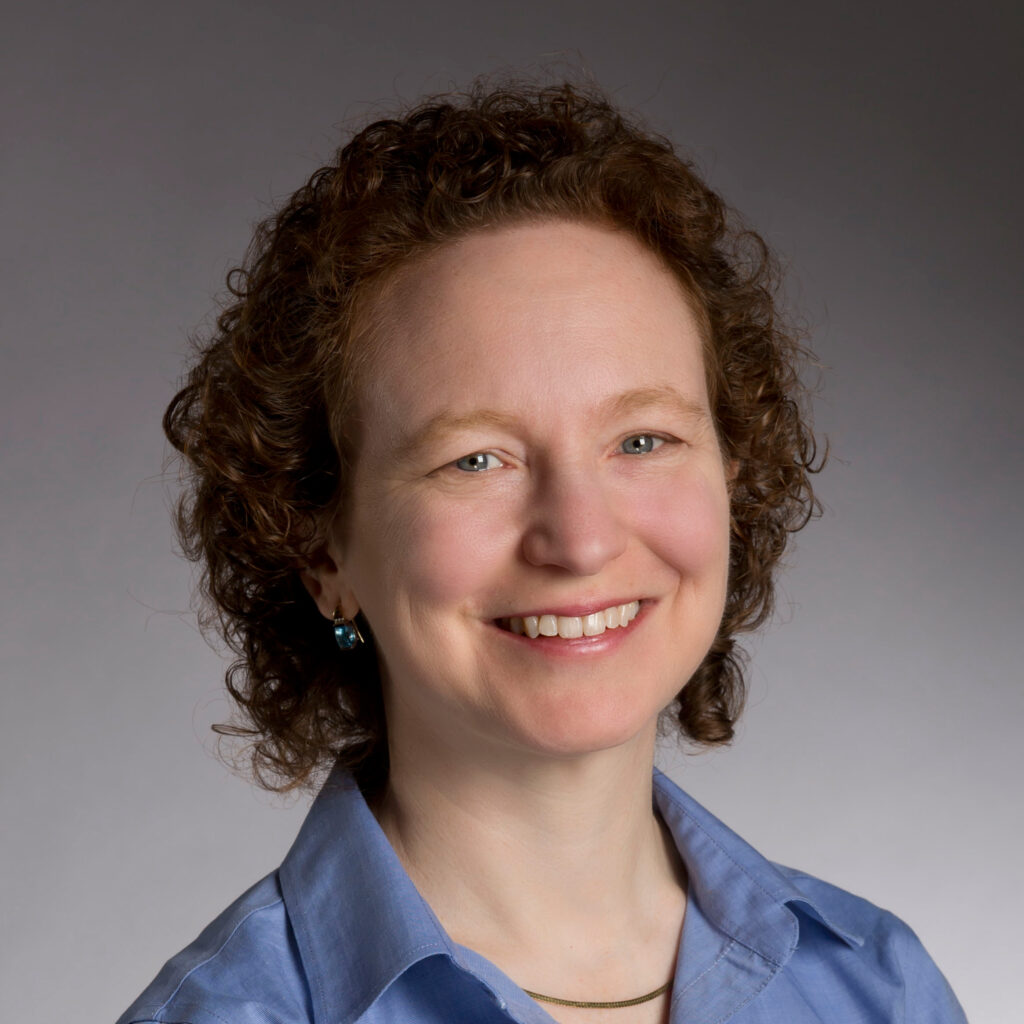
Dana Rudolph, the award-winning founder of Mombian, sat down with GO to discuss her family, advice for others, and the importance of joy.
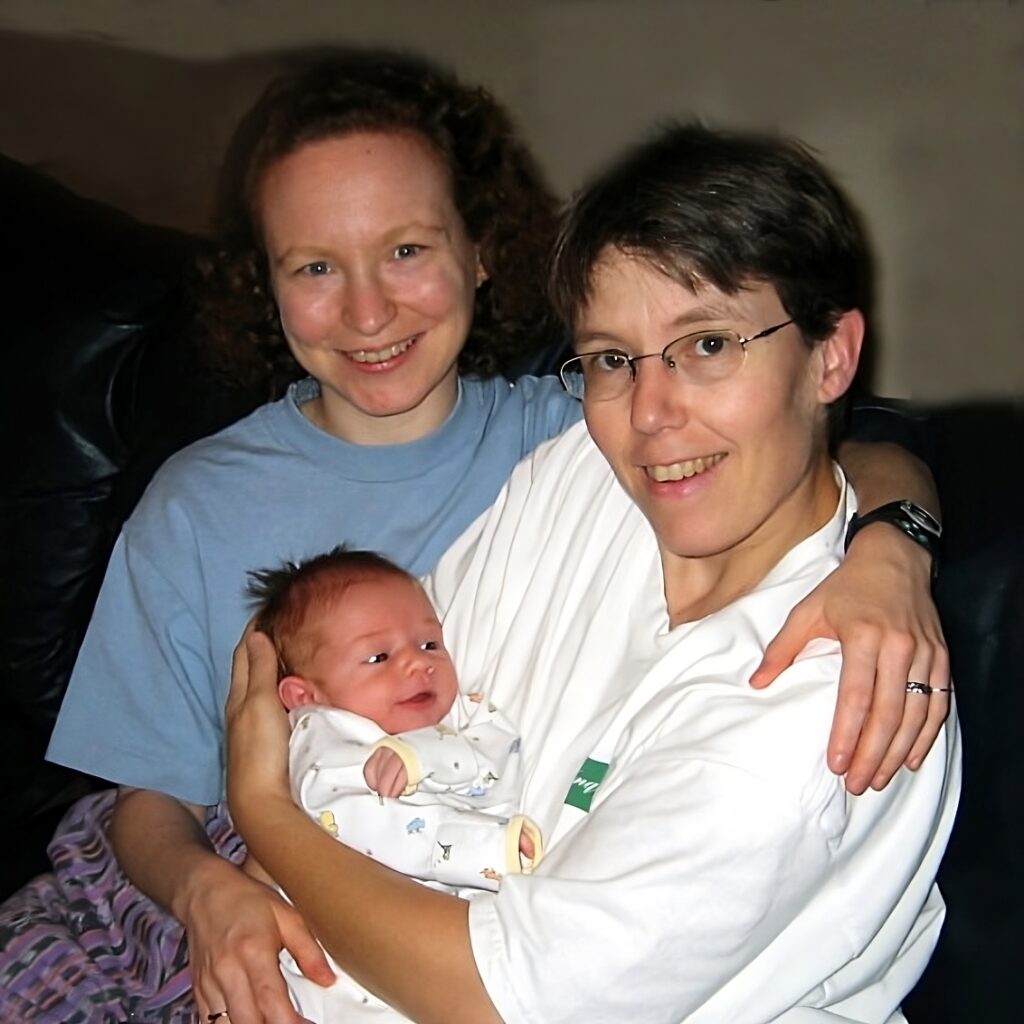
Featured Image: Dana Rudolph (L), her spouse Helen (R), and their son. Photo courtesy of Rudolph
In 2003, when Dana Rudolph and her spouse, Helen, welcomed their son, the media landscape for LGBTQ parents was nearly barren. Blogs were just beginning to take off, but when Rudolph went searching for resources, she found little at the intersection of queer life and parenting. LGBTQ outlets covered politics and entertainment, and parenting magazines rarely touched queer families.
“There was a gap in news and information for LGBTQ parents,” she told GO. “Parenting blogs weren’t covering LGBTQ things at the time, except maybe once a year during Pride. A lot of the queer blogs were not covering parenting.”
Two years later, she launched Mombian, the site that would become her life’s work: a hub for LGBTQ parenting news, resources, book reviews, and advocacy. Twenty years later, Mombian has earned Rudolph two GLAAD Media Awards, a Hostetter-Habib Family Award from Family Equality, and recognition as one of the longest-running LGBTQ parenting columns in the country.
But for Rudolph, the accolades are secondary. She said that hearing of the lasting significance her blog has left on readers is what means the most to her.
“That means more to me than any award, just knowing there’s people out there for whom this is useful information and has inspired them in some way,” Rudolph said.
Related: New Lesbian Podcast Pulls The Curtain Back On A Two-Mom Family
Building a Different Kind of Blog
When Rudolph first conceived of Mombian, she knew she didn’t want it to be a personal diary of her family life.
“There are people who do that and do it wonderfully well. I don’t think my family is that interesting that I would have things to write about us every day. No one really cares what my son had for breakfast,” she said. “I also wanted to protect his privacy and let his story be his story to tell as he grew up.”
Instead, she envisioned a space that could provide queer parents with the information and community they weren’t finding elsewhere, while still anchoring that work in her own lived experience as a mother.
Her timing was prescient. Over the next two decades, she chronicled and contextualized some of the most significant moments in LGBTQ life: marriage equality, the first wave of national anti-bullying awareness in schools, and ongoing battles over parentage laws. She also became one of the foremost trackers of LGBTQ-inclusive children’s books.
“When I started the blog in 2005, I could count on one hand the number of LGBTQ-inclusive kids’ books that came out each year,” Rudolph said. “And a few of them you kind of had to squint, because sometimes the identities weren’t clear or obvious or they were trying to be a little euphemistic.”
But around 2017, something changed.
“So things took off like a hockey stick,” she said. “Just tremendous growth in the number of titles, and now there are hundreds each year.”
Her Mombian database, now nearing two thousand titles, is searchable by grade levels and topics. It’s an accessible tool for parents, educators, and librarians alike. And it reflects not only an increase in quantity but also in quality.

“There are books that are winning book awards, not just in the LGBTQ categories,” Rudolph said. “And there is tremendous representation across the entire spectrum.”
Family First
Rudolph’s own family formation story underscores the complexities queer parents have long faced. She and Helen, who have been together for 32 years, decided to start a family in the early 2000s through reciprocal IVF. This process used Rudolph’s eggs, with Helen carrying the pregnancy.
Rudolph explained that Helen had always been interested in knowing what it was like to be pregnant.
“Another reason for dividing the tasks as we did was that I was a little younger, and it’s usually better to use the younger eggs,” she said.
The process was not easy.
“I remember coming home from the initial visit to the pharmacy to get all of the meds, and it was just like this big brown grocery bag full of medications for both of us,” Rudolph said. She laughed about the irony that, to have a child, she had to be on birth control for the first time in her life so that their cycles would sync.
Related: What’s In A Name? How Queer Families Choose to Call Themselves
When their son was born in 2003, marriage equality was still years away. Under New Jersey law, Helen, as the birth parent, had full legal rights while Rudolph had none, despite being the genetic mother.
“It’s ridiculous for me to do a second-parent adoption of my own genetic child,” Rudolph said.
Instead, they worked with an LGBTQ-focused lawyer to petition the court for a pre-birth order granting Rudolph legal parentage from the moment of birth. They were only the second family in the state to succeed.
“We were happy to be part of that trend of parents saying that the current laws don’t fit our family, but we’re going to figure out a way to protect them anyway,” she said.
Their son has just graduated from college, and for Rudolph, that milestone is both a source of maternal pride and a reminder of lineage.
“I say that a lot, probably because I’m a proud mom, but also just to remind people, particularly younger queer people, that they really do have generations of queer parents behind them as examples and mentors,” she said.
Beyond Marriage Equality
Though marriage equality in 2015 was a landmark victory, Rudolph is quick to point out that the fight for family rights is far from over.
“Marriage rights and parental rights are not always identical,” she said. “There are unmarried parents who still want legal rights to their children. There are still uncertainties around children born through assisted reproduction.”
Rudolph said that while there have been good advances made since 2015 in terms of state parentage laws, there’s still far to go.
Even with the legal principle of the “marital presumption of parentage”, which states that a child born during a marriage is presumed to be the child of both spouses, Rudolph warns that it’s not foolproof for same-sex couples.
Her coverage of these issues on Mombian reflects the dual purpose she has always seen in the site: both to inform families of their rights and to push for the broader recognition that queer families deserve.
Advice, Joy, and Legacy
When asked what advice she would give to new LGBTQ parents, Rudolph doesn’t hesitate.
“No matter what advice anyone gives you, follow what you know to be right for your kid and your family,” she said. “Especially with the rise of social media, there’s so much parenting advice out there and so many opinions, and I think there’s no one piece of advice that applies across the board except maybe just love your child.”
She also stresses the importance of joy.
“Especially today, when there’s so much in the news about everything that’s turned against us, take the time to celebrate the big and small things with your family,” Rudolph said. “Remember who you are and that you love each other and keep that joy.”
She emphasized that the joy is what keeps her fighting.
“That’s why we fight against the awfulness, to be able to keep that joy, and we can’t lose that in the process.”