

Trump Deports Gay Woman Back To Morocco Where Homosexuality Is A Crime
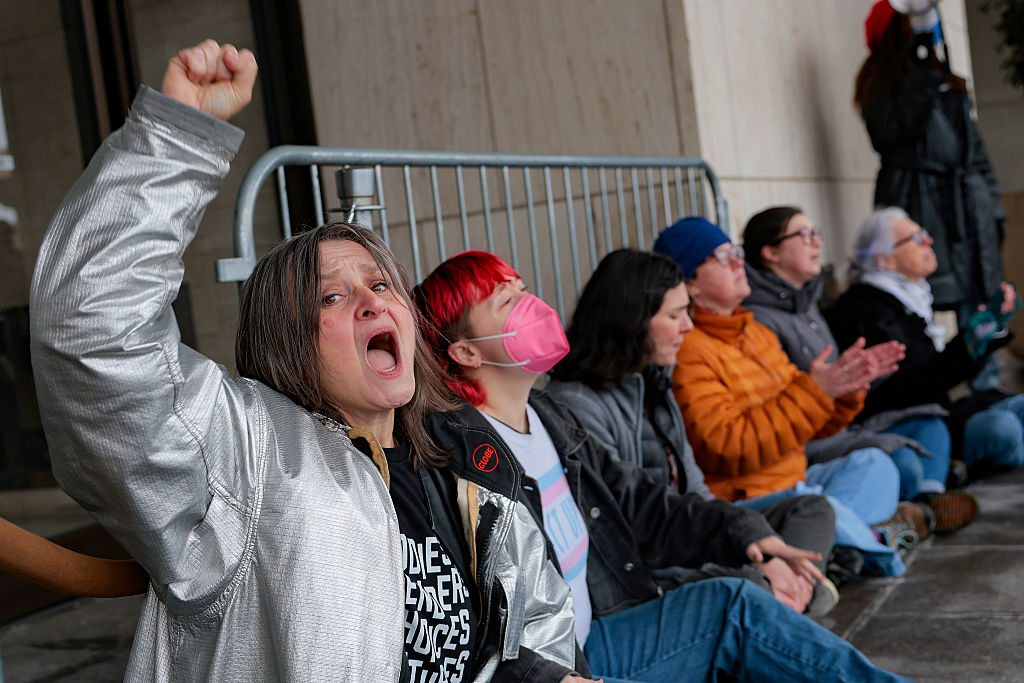
Farah was granted legal protection by US Immigration, but deported to a compound in Cameroon then flown to Morocco, where she now faces the dangers that she fled.
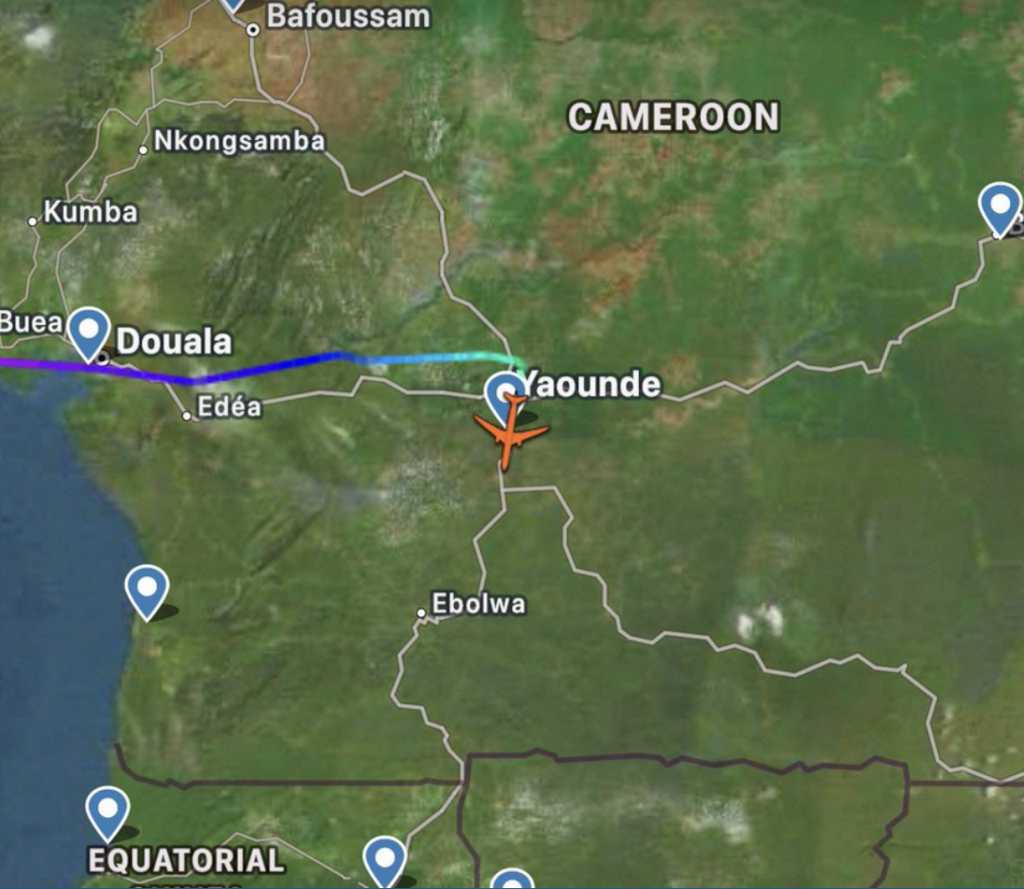
Featured Image: screenshot of flight path on Feb. 16, 2026 ,per Global Detention Project
Farah, a gay woman identified only by her first name, was returned to her home country of Morocco this month following deportation by the Trump administration. She is now living in hiding and at risk of punishment in a country that criminalizes homosexuality. The 21-year-old had initially fled brutal family violence, having endured beatings by her family and her partner’s family, after they found out she was in a same-sex relationship. According to AP reporting, she was kicked out of her home, fled with her partner to another city, and was found by relatives who then attempted to kill her.
Farah and her partner arrived in the US in early 2025, after embarking on a life-saving journey. They secured visas to go to Brazil, then traversed six countries to land in the United States, where they hoped to find refuge. Instead, they were detained in Arizona and Louisiana for about a year. Though not granted asylum, Farah was given a protective order by a U.S. immigration judge in August 2025, who ruled that she could not be sent back to Morocco, where being gay is a crime and punishable by up to three years in prison. Then, in a weird twist, three days after her immigration hearing, she was handcuffed and “renditioned” to a country with which she has no affiliation – and one that also criminalizes queerness: Cameroon.
Related: Sierra Leonean Trans Activist Finds ‘Home’ On The Island of Lesvos
Farah was briefly held in a detention facility in Yaoundé, Cameroon’s capital – a facility that, per Human Rights Watch, has a history of torture and holding detainees incommunicado.
“They asked me if I wanted to stay in Cameroon, and I told them that I can’t stay in Cameroon and risk my life in a place where I would still be endangered,” she told the AP.
Ultimately, she was flown to Morocco, where she is trying to keep a low profile.
“It is hard to live and work with the fear of being tracked once again by my family,” she said in the interview. “But there is nothing I can do. I have to work.”
Farah is among dozens of individuals who have been deported by the Trump administration to “third countries” despite having been granted legal protection by US Immigration. Such deportations are viewed as a tactic to encourage refugees to return on their own to their countries of origin, under threat of a possibly more grave outcome. Per the New York Times and other reporting, others have also landed under murky deportation arrangements in Cameroon. According to a report by the Senate Foreign Relations Committee, the Trump administration has spent millions of taxpayer dollars on the “rapidly expanding use of third country deportations—in which the U.S. deports migrants to countries that are not their own.”