

The Wisconsin Supreme Court Just Delivered LGBTQ+ Residents A Major Win
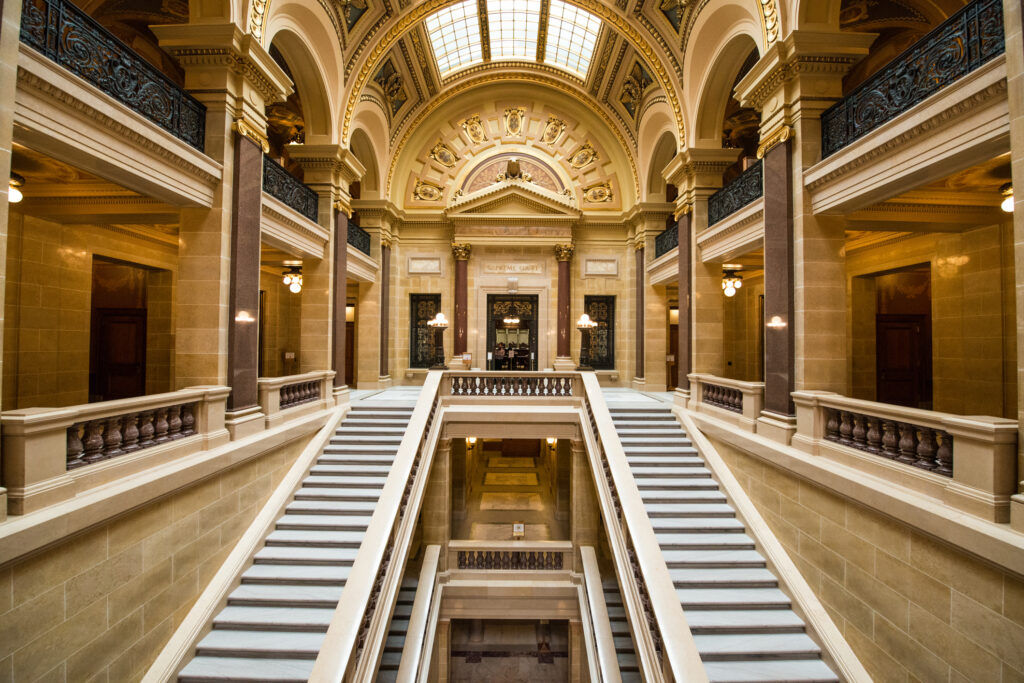
The court’s 4‑3 decision finally allows a statewide ban on conversion therapy for minors, halting a Republican-led legislative blockade.
A long-delayed ban on conversion therapy for minors in Wisconsin can finally go into effect after the state Supreme Court ruled that a group of lawmakers went too far in blocking it.
In a 4-3 decision on Tuesday, the court said that a Republican-controlled legislative committee didn’t have the constitutional authority to stop the ban without a full vote in the Legislature and approval from the governor. That means the rule, which applies to licensed mental health professionals, is now allowed to take effect.
Conversion therapy is the discredited and harmful practice of trying to change someone’s sexual orientation or gender identity. It’s been condemned by every major medical and mental health group in the country. Research shows it increases the risk of depression, anxiety, substance use, and suicide, especially for LGBTQ+ youth.
The ban was first introduced in 2020 by the state’s professional licensing board, which oversees therapists, counselors, and social workers. But Republican lawmakers on the Joint Committee for Review of Administrative Rules (JCRAR) blocked it twice, in 2021 and again in 2023. They never fully voted it down. Instead, they used a legal tactic to keep the ban stuck in limbo.
Related: Supreme Court Will Hear Challenge On Conversion Therapy Ban
Governor Tony Evers sued, arguing that this so-called “legislative veto” gave a small group of lawmakers too much power. The court agreed.
Chief Justice Jill Karofsky wrote that the “requirements of bicameralism and presentment are triggered when legislative action alters the legal rights and duties of others outside the legislative branch.”
In plain English, Karofsky was saying that laws (or anything that acts like a law) have to go through the full process: approval by both the Assembly and Senate, and then a signature or veto from the governor.
“There are real lives that are at risk here,” Karofsky said during arguments. “This is hurting people.”
The court’s three conservative justices strongly disagreed. In her dissent, Justice Annette Ziegler said the decision gives too much power to the governor. “This court has become a political body,” she wrote.
Justice Rebecca Bradley added, “Progressives like to protest against ‘kings,’ unless it is one of their own making.”
Related: Wisconsin’s Oldest Queer Bar, Co-Owned By Trixie Mattel, Has Closed Its Doors After 56 Years
Despite the pushback, LGBTQ+ advocates and mental health professionals are calling the ruling a major victory.
“Today’s Wisconsin Supreme Court decision ensures that no small group of lawmakers has the sole power to stymie the work of state government and go unchecked,” Governor Evers said in a statement.
While the court ruling applies most directly to the conversion therapy ban, it could also change how other state rules are made, including ones related to the environment, public health, and building safety.
More than two dozen states already ban conversion therapy for minors. In Wisconsin, cities like Milwaukee, Madison, Eau Claire, and Racine had passed local bans, but this is the first time it will apply statewide.