

The Magic In The Mundane: On The Transformation Of Romance In Early Parenthood
After having three children, my view of romance has shifted.
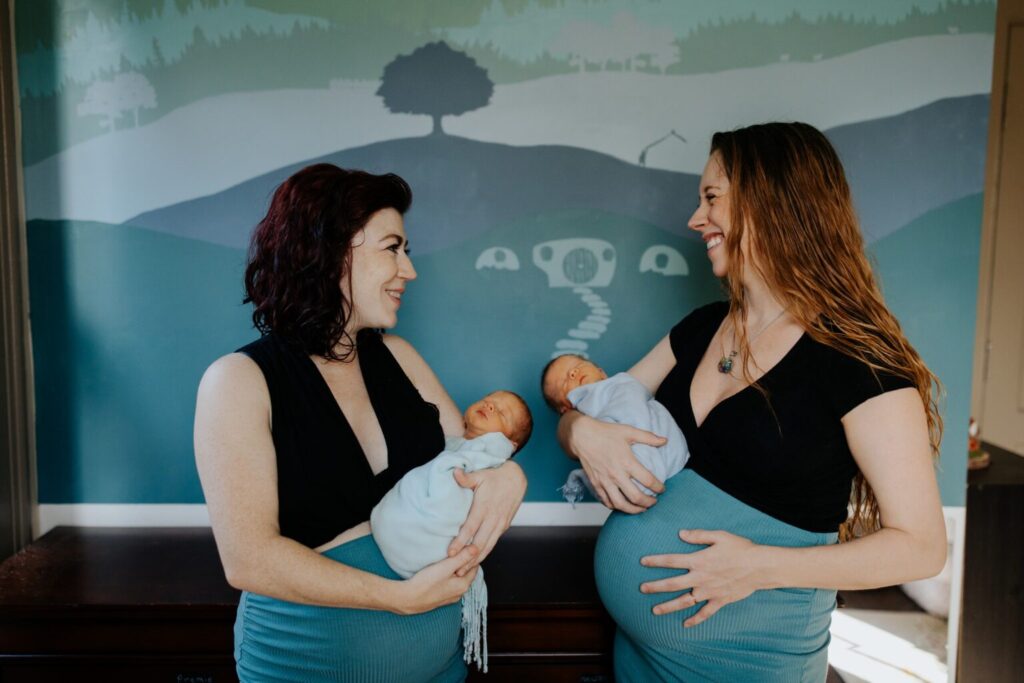
Featured Image: Chelsea (L) holding four-day-old Conall, and Jess (R) eight months pregnant and holding four-day-old Arden. Photo by Caedy Convis Photography.
If you told me three years ago my wife would be sleeping in the guest room once our kids were born, I would have thought my marriage was in trouble.
But after having three children, my view of romance has shifted.
My wife Jess and I have a super meet-cute: we met at a dance instructor’s retreat, spent a straight week falling in love, and began dating long-distance. Then the pandemic hit. We moved in together temporarily, which went so well that we decided to make it permanent and bought a house in Detroit together. My idea of romance here was stereotypical, and absolutely fulfilled—date nights alternated between cozily staying in with a show and snacks, or dressing up and going out. We were frequently intimate and cuddled even more; we remembered all sorts of anniversaries with love letters and sentimental gifts.
It became clear we were aligned on so many values: our heart for community living, wanting to stay in Detroit, and desiring to have children sooner rather than later. We found a known sperm donor, Trow (an old friend of Jess’s), who was excited to be involved in coparenting as well, and began planning to start our family right after our wedding: ambitiously, we both wanted to be pregnant at the same time for pseudo twins.
Our plan worked too well (you can read more about it here)! We both indeed conceived at the same time (ten days apart), and then discovered I was having twins, giving us pseudo triplets. Almost immediately, our relationship shifted drastically because Jess and I both became very sick with our pregnancies, with diagnoses like hyperemesis gravidarum, gestational diabetes, and preeclampsia impacting us. Rather than tenderly caring for each other during our pregnancies, we spent our evenings after work lying horizontally on the couch, trying to keep down crackers and water, alternating who brought who popsicles.
This is where I began truly realizing a long-lasting relationship was about more than just romance, but about a broader view of seeking connection in whatever ways work.
Related: Three Babies, Three Parents: A Queer Family’s Journey
During pregnancy, I realized the importance of being able to be sick together. When all we could do was lie flat and watch a TV show, we did it together. When one of us was having a really bad day, the other one rallied. Maybe I couldn’t make my wife breakfast, but I could always say, “Have a good day at work,” when Jess woke up early to get ready.
And when the babies arrived, my idea of romance shifted even more.
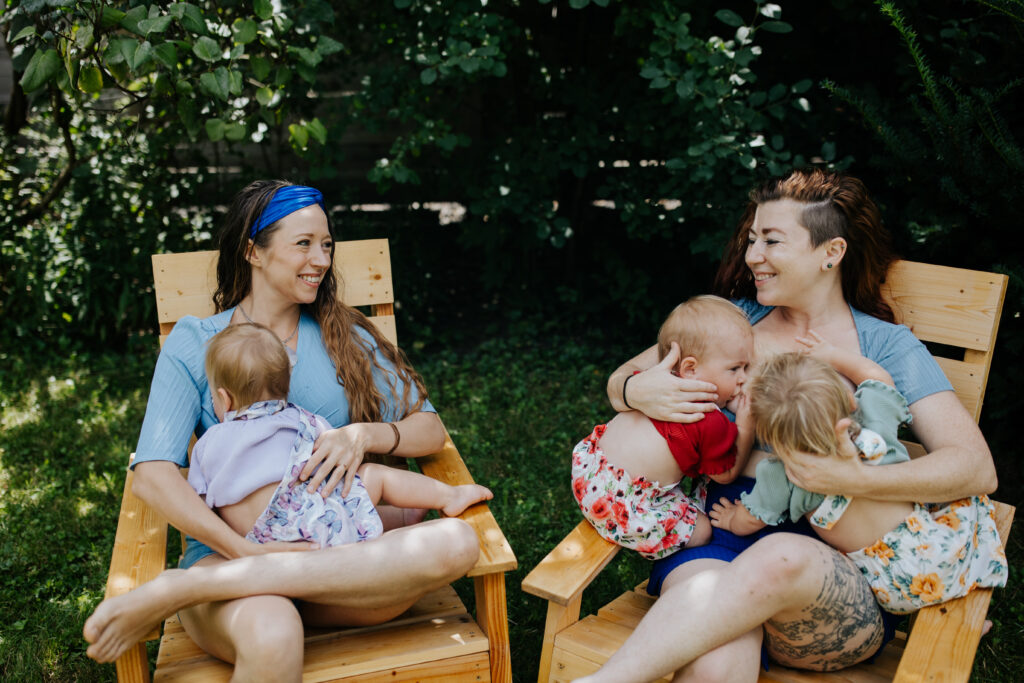
The sleep deprivation of colicky triplets in the first few months was obscene. And when the children were exposed to lead in our old home at eight months and went undiagnosed till they were a year old, it affected their sleep so severely that they would wake over twenty times a night at a minimum. We were also breastfeeding all the babies, which both helped with the sleep (it put the babies back to sleep quicker than anything else) and worsened it (breastfed-on-demand babies often wake up more than formula-fed babies). Our lives became all about sleep: the kids’ and ours. We sank to bare survival mode.
When weeks went by without us kissing each other, I worried about the state of our relationship. When months went by without us being intimate, I worried some more. But I was just so damn tired. And so was Jess. But I saw how she continued to care for me. She spent two hours by herself with three crying babies so I could escape for a nap. When I was walking around the house with tears streaming down my face as I held a crying baby, she’d fetch me my noise-cancelling headphones while holding a crying baby herself. When I broke down crying over how hard being a triplet mom was, she was always there to hold me and affirm me.

In parenthood, moments like these are more romantic than any love letter I’ve received. Tag teaming the other’s least-favorite household chore became our version of gifts to the other. Watching ten minutes of a show together after the kids went to bed became our equivalent of a date–a tiny touchstone of adult time that felt manageable and enjoyable around our exhausted limitations.
Related: Two Decades of Queer Parenting Visibility—A Conversation With Dana Rudolph
And we began sleeping in separate rooms, alternating who was responsible for the kids so the other person could get a couple complete REM cycles–and let me tell you, those REM cycles were the biggest romantic gesture of all.
If romance is about sparks and thrilling gestures, our romance is currently gone. If it’s about novelty and fantasy, it’s non-existent (except, I guess, where I fantasize about a full night’s sleep in bed with my wife again someday). But if romance is about seeking connection and deepening attraction, then our relationship is thriving.
I have never felt more attracted to my wife than when I see what a brilliantly kind and strong mother she is to my children. I have never felt more of a connection with her than when I see the effort she puts into caring for me, even in the midst of intense sleep deprivation. I have never felt more romance between us than when she tackles the dishes and puts away the kids’ laundry, so, on a bad day, I don’t have to.
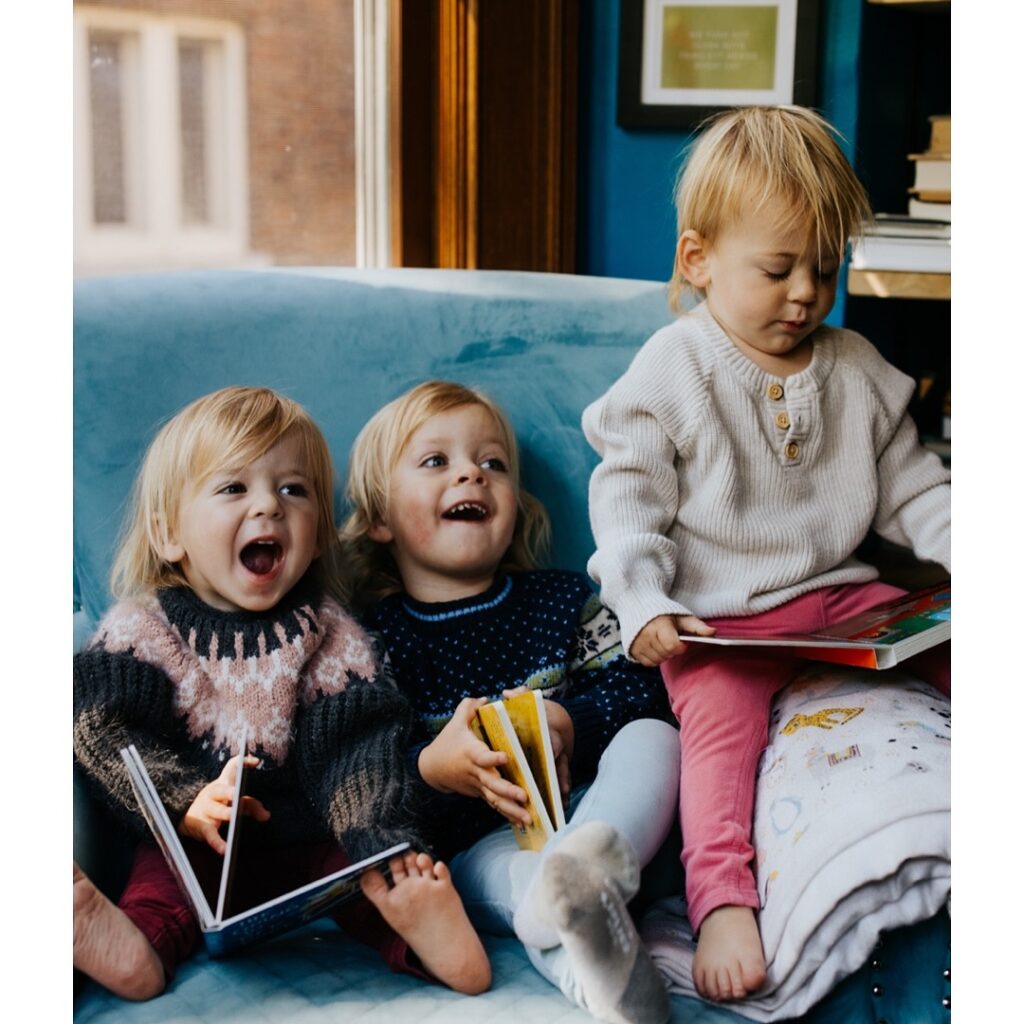
In early parenthood, my view of romance is all about connection. And that comes through appreciation, too. There are many things that are so difficult about early parenthood–the sleep deprivation, being touched out, the isolation. Finding an appreciation for the little things Jess does to show me she loves me and is thinking of me is how the romance is staying alive for me.