

The Lasting Legacy Of Miss Major Griffin-Gracy
I feel blessed that I was raised by queer activists who did this work not for a paycheck, but because it was their world, our world.
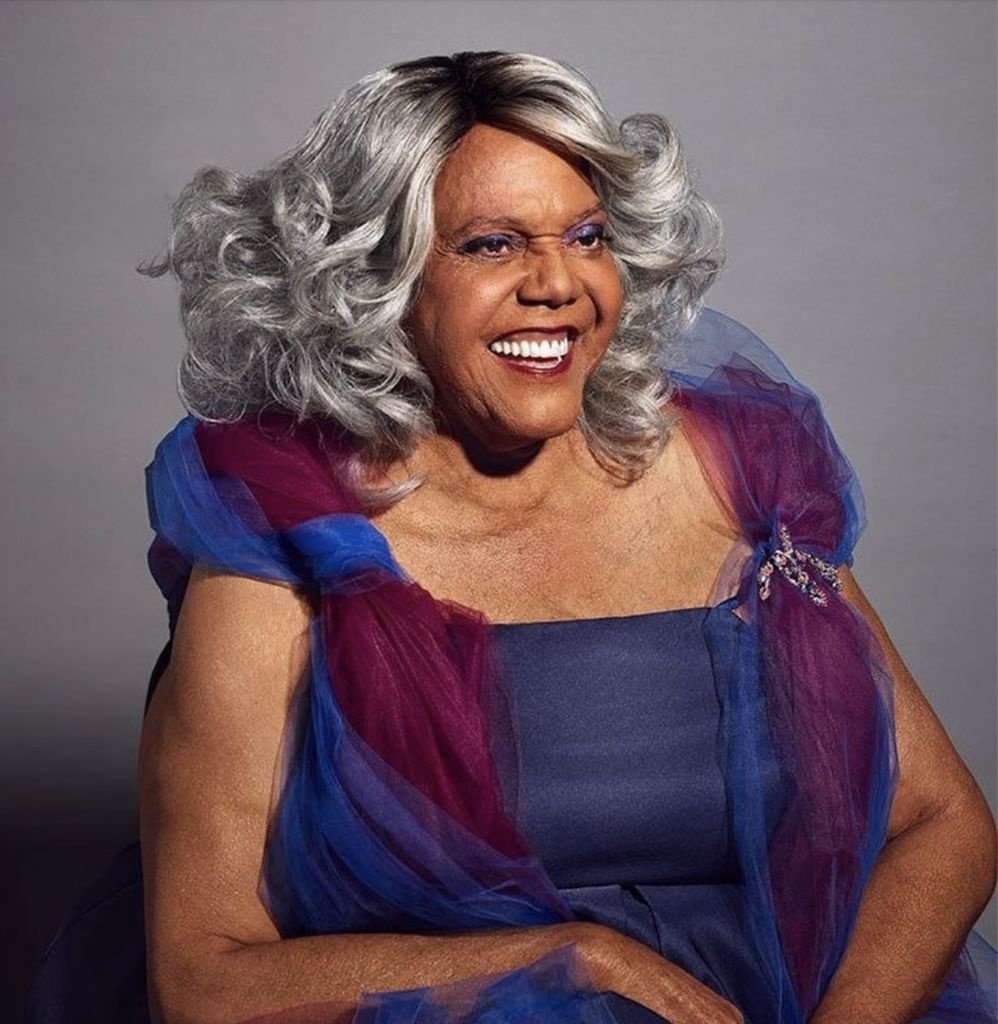
Featured Image: Miss Major Griffin-Gracy. Photo courtesy of House of gg.
Last week, Miss Major Griffin-Gracy, known by the community as Miss Major, passed away at the age of 78. Miss Major was a Black, transgender activist and a veteran of the Stonewall uprising. During her five decades of activism, she never stopped fighting for the community, particularly Black transgender women and transgender Women of Color. The news of her passing was shared by the House of gg, the organization she founded, in an online statement:
“It is with profound sadness that House of gg announces the passing of our beloved leader and revolutionary figure in the TLGBQ liberation movement, Miss Major Griffin-Gracy.”
The House of gg leadership shared that Miss Major passed away on October 13 in her home in Little Rock, Arkansas, surrounded by loved ones. “Miss Major is survived by her longtime partner, Beck Witt; three sons Asaiah, Christopher, and Jonathon; her many daughters including Janetta Johnson – successor of the Miss Major Alexander L. Lee TGIJP Black Trans Cultural Center; her sisters Tracie O’Brien and Billie Cooper; keeper of spare parts, Thom Jeffress; countless members of the community who have been shaped by her mentorship and legacy as a leader; and a whole host of family and friends.”
Related: Miss Major Griffin-Gracy, Revolutionary Trans Activist, Dies At 78
Born in 1940s Chicago, Miss Major became involved with LGBTQ+ liberation, rooted in protecting the most marginalized community members, specifically Black transgender women. One of Miss Major’s legacies is the organization she founded, The House of gg—also known as The Griffin-Gracy Educational and Historical Center, which focuses on the creation of safe and transformative spaces for mental, emotional, physical, and spiritual healing from generational transphobia, racism, poverty, sexism, ableism, and violence.
As a formerly homeless queer youth, I feel blessed that I was raised by queer activists who did this work not for a paycheck, but because it was their world, our world. I spent many years working in LGBTQ+ nonprofits in NYC, and Miss Major was frequently referenced by organizers, especially those working to support LGBTQ+ youth experiencing homelessness. Miss Major knew these issues firsthand; she had lived them, not studied them in social work school. Activists like Miss Major, along with people I worked closely with in NYC like Amber Hollibaugh and Jay Toole of the now-closed Queers for Economic Justice organization, were the queer leadership I most looked up to. This was a generation of queer folks who saw the problems our community was facing and took action to speak out, act up, and create the support networks that the most marginalized members of the community so badly needed.
When I was receiving services as a homeless youth, I learned the importance of having a support system of people who have experienced the same struggles as you. When I became a service provider myself, I never forgot the essential feeling of being truly seen for the first time as a kid. We are rapidly losing generations of elder trans and queer activists, at a time that we need them most, as the world gets increasingly hostile for LGBTQ+ people.
Miss Major is credited with helping to open the first needle exchange in San Francisco, and is known for her direct support and activism for people with HIV/AIDS beginning in the 1980s. For Miss Major, this was not a job; it was a calling and her life’s work, and her legacy will be the countless lives she touched through her work. From her book with Toshio Meronek, Miss Major Speaks: Conversations with a Black Trans Revolutionary, we are reminded: “It’s not wrong to feel like the world is f*cked up beyond repair, but…you can try to repair what you can, using whatever skills you might have.” In many ways, I think Miss Major’s legacy in the LGBTQ+ community is to show up as your full self, bring your history and lived experience into your activism, and to do as much as you can with what you have.
As a community of survivors and activists, we face challenging times ahead, and we need to stand together. It’s now up to us, all of us, to pick up the work that community elders like Miss Major have led for decades. It’s up to us to live, thrive, and most of all, to ensure that all queer and trans people, especially those most marginalized, are able to do the same. In their message about her passing, the House of gg encourages the community to think of Miss Major as still being with us: “While her physical presence has shifted, we have gained an immensely powerful ancestor and there is no doubt that she is and always will be with us – guiding, protecting and reminding us that she is “still f*cking here!”
A memorial will be held for Miss Major Griffin-Gracy on Saturday, October 25 at the Mosaic Templars Cultural Center in Little Rock, Arkansas, between 11 am and 2 pm. San Francisco and New York memorials are forthcoming. You can support the House of gg by donating here to help carry on Miss Major’s legacy.