

Target CEO Steps Down After Slump Tied To DEI Rollback
Once a retail trailblazer on inclusion, Target is now facing boycotts, declining traffic, and a leadership shakeup.
Target, once the darling of “cheap chic” retail, is facing another leadership shakeup. Brian Cornell, who has been CEO since 2014, announced he will step down in February 2026 after months of falling sales and public scrutiny over the company’s retreat from diversity, equity and inclusion efforts.
Cornell, 66, isn’t disappearing entirely. He will transition into a role as executive chairman while Michael Fiddelke, the company’s chief operating officer and a 20-year Target veteran, takes over as CEO. “Michael is the right candidate to lead our business back to growth,” Cornell said on a call with analysts this week.
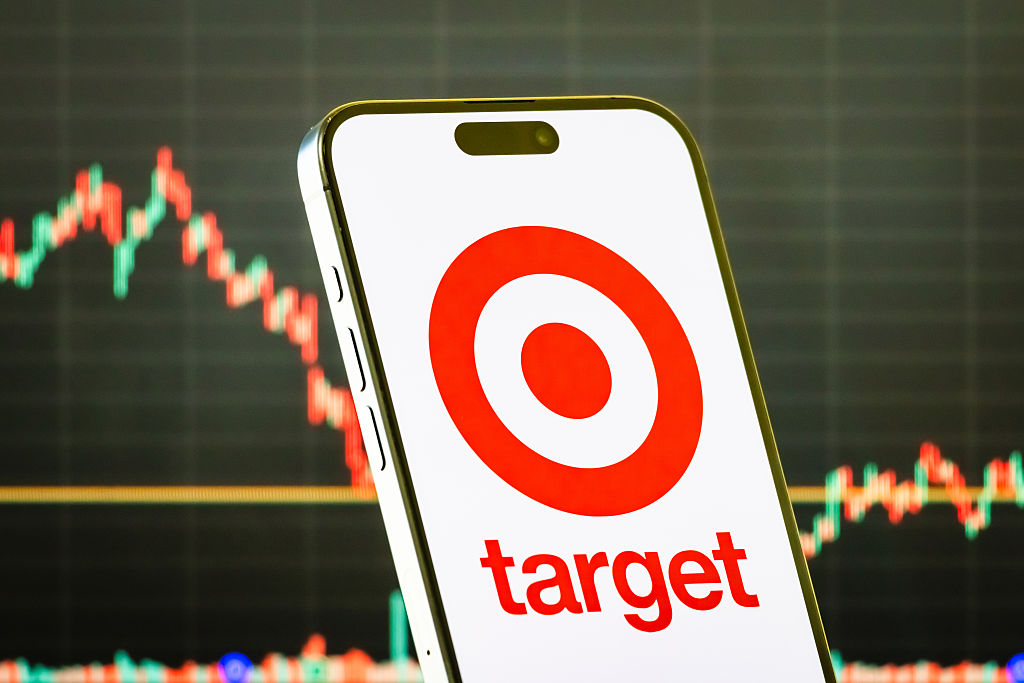
The announcement came alongside Target’s latest earnings, which revealed a third straight quarterly sales decline. Net sales in the second quarter of 2025 slipped to $25.2 billion, down nearly 1% from the same period last year. The company’s stock took an immediate hit, tumbling more than 10% in premarket trading after the news. Overall, shares are down more than 23% this year.
The cost of retreating on inclusion
The numbers don’t tell the full story of why Target is faltering. For decades, the retailer built a reputation on quirky designer collaborations, a breezy store experience, and a corporate culture that openly embraced diversity. That began to unravel earlier this year when, just days into Donald Trump’s second term, Target scrapped its DEI goals.
The rollback ended hiring benchmarks for employees of color, shuttered an executive committee on racial justice, and withdrew Target from external benchmarking programs like the Human Rights Campaign’s Corporate Equality Index. The company described the changes as a “strategic reset.” Civil rights groups called it something else: capitulation.
The decision mirrored a wave of corporations scaling back DEI programs under pressure from both the Trump administration and conservative activists such as Robby Starbuck, who has been publicly rallying boycotts against brands he claims have gone too far with “woke” policies.
Related: Meta’s New AI “Bias” Advisor Has A Long Anti-LGBTQ+ History
But the retreat sparked its own backlash. Longtime shoppers who once affectionately dubbed the store “Tarzhay” began looking elsewhere. According to RetailBrew, foot traffic dropped more than 3% in the second quarter, with many customers citing a disconnect between the inclusive identity Target once projected and the company it has become.
“They have kind of lost their identity,” said one former Target employee to CNBC who spent nearly a decade with the retailer before leaving for a competitor. Others described dwindling morale in stores and at headquarters, with leaner staff, messier aisles, and fewer reasons for employees to feel proud of their work.
A brand at a crossroads
Target has been here before. Cornell himself was brought in after the disastrous 2013 data breach that compromised the personal information of 110 million shoppers. Back then, the company managed a comeback by leaning into store design, digital growth, and a renewed sense of brand confidence.
This time, the challenge is bigger. Customers have cooled on Target’s merchandise mix, describing its clothing and home lines as generic and uninspired. Supply chain hiccups have led to empty shelves. Rising tariffs under Trump’s policies have put further strain on profits. And with Walmart and Costco gaining ground, Target can’t afford to coast on reputation alone.
Related: The Internet Has Some Strong Words For Target’s “Embarrassing” Pride Collection
What comes next
The handoff to Fiddelke puts the future of Target in the hands of a company insider who knows its culture but now faces the unenviable task of rebuilding its credibility. On top of boosting sales, he will need to answer whether walking away from DEI was a mistake the company can afford to leave uncorrected.
For queer consumers, the loss of Target’s once-vocal support of inclusion stings. The retailer was an early mainstream brand to lean into Pride merchandise and scored highly on LGBTQ workplace equality measures for years. Now, its silence speaks louder than its rainbow-themed mugs and T-shirts ever did.
Whether Target can reclaim the identity that made it a retail darling—or if it becomes another cautionary tale about playing politics with inclusion—will depend on what kind of leadership it embraces in this new chapter.