

Slovakia Approves Constitutional Amendment Limiting LGBTQ Rights
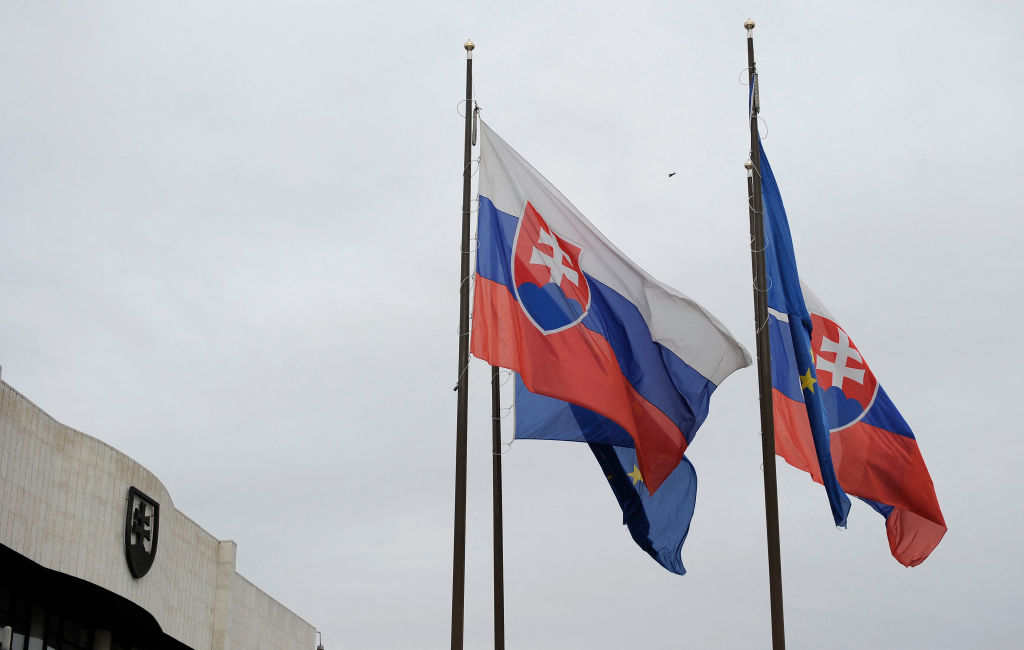
Rights groups warn the changes risk breaching EU law and further marginalizing LGBTQ Slovaks.
Featured image by SAMUEL KUBANI/AFP via Getty Images
Slovakia’s parliament has approved sweeping constitutional changes that roll back LGBTQ rights and cement the country’s nationalist government on a collision course with the European Union.
The amendment, passed Friday with the bare minimum of 90 votes in the 150-seat chamber, redefines the Slovak Constitution to recognize only two sexes, bans surrogacy, restricts adoption to married heterosexual couples, and asserts that Slovak law takes precedence over EU law in so-called “cultural and ethical” matters.
Prime Minister Robert Fico, who returned to power in 2023 and has cultivated close ties with Moscow, celebrated the outcome as a rejection of liberal values. He called the change “a historic step” and declared it “the best response to the collapse of Western societies, where progressivism and liberalism have been given priority.” Fico added, “We know that in fundamental ethical issues, our national law must take precedence over international law, which often comes with ideas and opinions that are far removed from the values on which the Slovak Republic is built.”
Related: Supreme Court Allows LGBTQ+ Book Opt-Outs In Schools, Sparking National Debate On Parental Rights
For LGBTQ Slovaks, the vote is a devastating setback. The new provisions strip away pathways to family recognition and deny legal existence to transgender, non-binary, and intersex people. Advocacy group Inakost warned the government now holds “a powerful tool to justify all decisions and policies that violate human rights and our international obligations.” In a statement, the group described the amendment as “one of the most dangerous decisions ever made by the Slovak parliament,” adding, “This amendment directly threatens our membership in the EU, bringing us even closer to authoritarian Russia.”
Opposition voices inside parliament were equally blunt. Michal Simecka, leader of the Progressive Slovakia party, called the measure “shameful,” arguing that it “will hurt the people of Slovakia and call into question Slovakia’s place in the EU and its legal space.”
The changes have been met with strong warnings from Europe’s rights institutions. The Council of Europe’s Venice Commission cautioned that enshrining a strict binary understanding of sex risks fueling discrimination and that Slovakia may be in breach of its human rights obligations. Amnesty International described the amendments as “draconian” and “a step towards erosion of human rights.” Rado Sloboda, Director of Amnesty International Slovakia, went further, saying, “Today is another dark day for Slovakia, which is already facing a series of cascading attacks on human rights and the rule of law.”
Related: India High Court Affirms LGBTQ+ Rights By Recognizing Chosen Families
The political strategy behind the vote is also under scrutiny. Several conservative opposition MPs defected at the last moment to push the measure across the line, leaving their colleagues accusing them of betrayal. Observers have suggested the ruling coalition timed the vote to distract from domestic controversies and declining support.
Still, Fico has framed the moment as a triumph. “Our partners abroad know that we are politicians who strongly defend Slovakia’s national interests,” he told reporters, placing himself in the same category as American, Russian, and Chinese leaders. He made light of the situation at a gathering following the vote, saying, “I guarantee you that now we will go to the club and have a shot. This is Slovakia.”
The constitutional changes are set to take effect November 1. What comes next may be years of legal and political battles with Brussels, where protections for sexual minorities and family diversity remain written into the EU Charter of Fundamental Rights.