

Out Rep. Angie Craig Revives Effort To Protect LGBTQ+ Foster Youth And Families
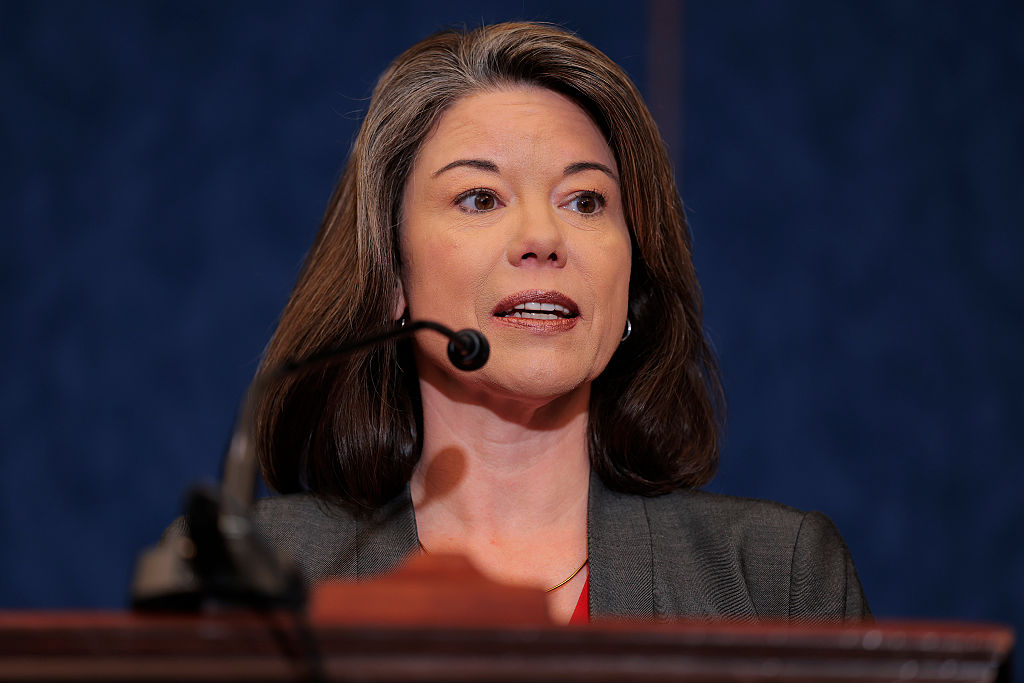
The Minnesota congresswoman is once again pushing federal lawmakers to end discrimination against LGBTQ+ youth and parents in child welfare systems.
Featured image by Heather Diehl/Getty Images
U.S. Rep. Angie Craig is again pushing Congress to confront discrimination in the country’s adoption and foster care systems. The Minnesota lawmaker, who is both the first out lesbian mother elected to Congress and an adoptive parent herself, has reintroduced the John Lewis Every Child Deserves a Family Act. It is the ninth time the bill has been brought forward, a reflection of both its urgency and the long fight still ahead for LGBTQ+ youth and families seeking safety and stability.
The proposal would bar any federally funded child welfare agency from discriminating against LGBTQ+ youth or prospective parents on the basis of sexual orientation, gender identity, religion, or marital status. It would also prohibit agencies from subjecting LGBTQ+ foster youth to conversion therapy, which the bill explicitly identifies as a form of discrimination that harms young people.
“As an LGBTQ+ adoptive parent and a mother who had to fight in court to adopt my son, I have witnessed firsthand the widespread discrimination in our country’s adoption and foster care systems,” Craig said in a statement. “No state should allow discrimination against LGBTQ+ foster children or adoptive parents who can provide a safe and loving home. I’m proud to help carry on the late John Lewis’ legacy through this critical legislation we crafted together to ensure that LGBTQ+ adoptive parents and children are treated with the respect and dignity they deserve.”
Related: The Free To Be Youth Project Continues Providing Hope For Queer Kids
Senator Kirsten Gillibrand, who is leading the bill in the Senate, described the proposal as essential for some of the most vulnerable children in the country. “Every child deserves a safe, loving household, and it is absolutely unacceptable that so many children are denied this access because of antiquated laws and deliberate discrimination against LGBTQ+ individuals,” she said.
The need for the legislation is well documented. LGBTQ+ youth are overrepresented in foster care by at least a factor of two, and the numbers rise even higher for transgender and nonbinary young people. Studies cited in the bill show that LGBTQ+ foster youth are twice as likely to report poor treatment in care compared to non-LGBTQ+ youth. They are also more likely to experience harassment, discrimination, and violence while in the system, and they face greater risk of ending up in group homes and of attempting suicide.
At the same time, agencies that discriminate against LGBTQ+ adults reduce the pool of available families, even though same sex couples are seven times more likely than non-LGBTQ+ couples to foster or adopt.
Related: How Queer Youth Homelessness Prepared Me for the Trump Presidency
Darra Gordon, CEO of Family Equality, noted the shared public responsibility for youth in care. “Children enter the child welfare system through no fault of their own, and our communities have a shared responsibility to ensure they are cared for with dignity and fairness,” she said in a press release. “This bill is a vital, practical step toward ending discriminatory barriers that prevent thousands of children from finding the safe, loving, and permanent homes they deserve.”
The bill also carries emotional weight for people who have navigated the system themselves. Schylar Baber, a foster care alum, shared the toll of discriminatory policies on his life. “Having grown up and aged out of the foster care system, I know firsthand why this legislation is vital to reducing the number of children who linger in care without a place to call home. Too many children still lack foster families and end up in group homes or residential centers simply because there is nowhere else to place them,” he said.
The legislation is backed by a broad coalition, including Family Equality, Lambda Legal, PFLAG, FosterClub, True Colors United, and the Human Rights Campaign. It would also establish a National Resource Center focused on the safety and well-being of LGBTQ+ youth, require cultural competency training for child welfare workers, and direct the Department of Health and Human Services to collect detailed data on the experiences of LGBTQ+ youth and families in the system.