

Nepal Turns Out For First Pride Rally Since US Funding Cuts Decimated Services

“Even with limited resources, we show that visibility is our strength, and love is our banner.” (Shimran Sherchan)
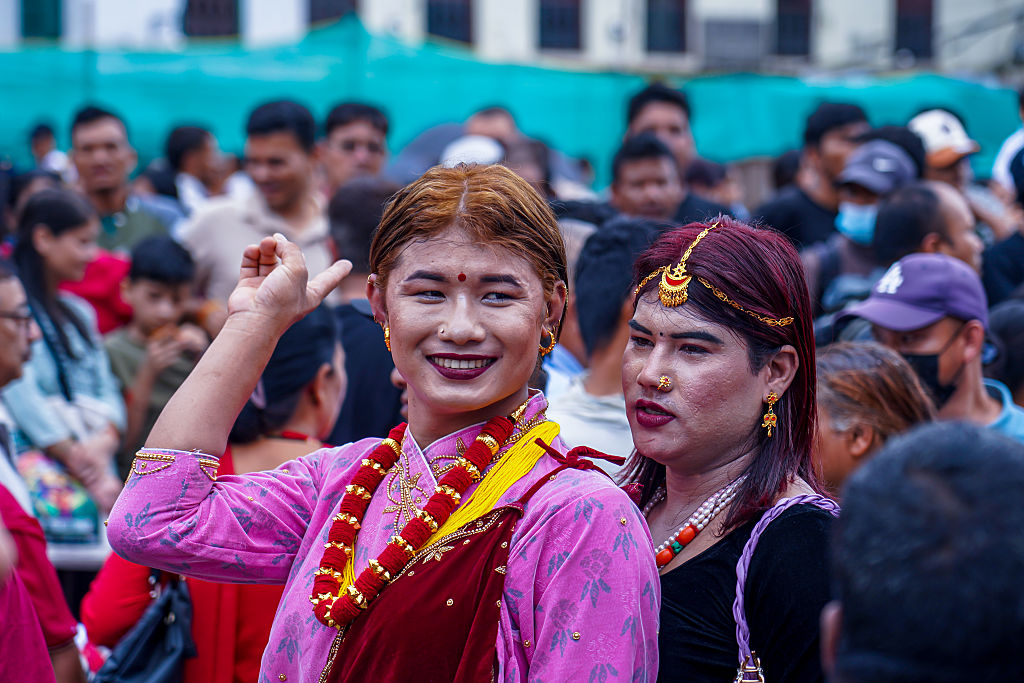
Featured Image: August 10, 2025: LGBTQ+ community joins Gai Jatra festival in Kathmandu (Photo by Ambir Tolang/NurPhoto via Getty Images)
On Sunday August 10th, hundreds of LGBTQ+ revelers and supporters paved the streets of Kathmandu with colorful silks, balloons and rainbow umbrellas. Like last year, Nepal Pride 2025 merged with the traditional Hindu festival, Gai Jatra. Known as “Festivals of Cows,” the carnival of dancing, singing and laughter honors close relatives who have died the previous year. It’s an event that inspires freedom of expression, and an abundance of tikka head ornaments and gender fluidity.
“Gai Jatra has historically been a day when people could speak truth to power through humor, satire, and visibility, even about taboo topics,” Simran Sherchan, a Kathmandu-based LGBTQ+ rights activist tells GO. “By connecting our Pride march to this festival, we are reclaiming space in a way that feels culturally rooted and unapologetically Nepali. It’s a reminder that our fight for dignity and rights is not imported. It’s intertwined with our own traditions of courage, self-expression, and collective joy.”
Sherchan’s perspective – and the fact that this parade happened at all – is a testament to a community committed to thriving in the face of challenge. It is the first rally since the country saw cuts in U.S. funding that had supported LGBTQ+ rights campaigns and services.
Since the Trump administration’s shut down of the USAID office last month, humanitarian aid that served the Nepali queer community has disappeared. Nepal literally lost 100% of its US funding. U.S. Agency for International Development (USAID) had supported clinics and vital services, including sexual health screenings, condom distribution, HIV prevention, screenings and care. As a result, Nepal had seen a 53% reduction in HIV cases; now that progress could be reversed. Thousands of Nepalese have been left without support and many help centers are closed.
“Despite the funding cuts, the spirit of Nepal Pride 2025 is full of resilience, creativity, and unity,” says Sherchan.

Image of Simran Sherchan, National Program Coordinator at Federation of Sexual and Gender Minorities Nepal (photo courtesy of Simran Sherchan)
For days leading up to the event, Sherchan took to social media to share the invitation: “Respect the spectrum, embrace the whole, that’s how we heal, that’s how we grow”.
Despite new hardships, there is much to celebrate in this valley surrounded by the Himalayan mountains, in a culture known for kindness and resilience. In 2024, Nepal became the first country in South Asia to recognize and register a marriage of a same-sex couple. Ten years ago, LGBTQ+ rights were enshrined in the constitution when Nepal adopted a groundbreaking stance of no discrimination on the basis of sexual orientation. According to Human Rights Watch, only a handful of countries provided specific protections for LGBTQ people in their constitutions at the time. The work continues.
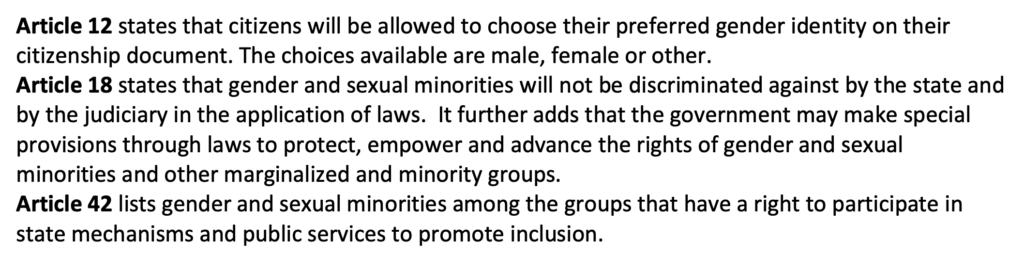
The Federation of Sexual and Gender Minorities Nepal (FSGMN), together with its member organizations and Blue Diamond Society, is actively raising its voice with the government and donor agencies for alternative funding, as well as exploring local resource mobilization, Serchan tells GO. They are also advocating for the inclusion of queer communities in plans, policies, and implementation.
Last month, Serchan made a community presentation on the topic of The United Nations Development Programme (UNDP) and the idea of developing a joint advocacy plan on the reform of discriminatory policies and procedures. She shared on social media:
“Truly it’s a high time to show solidarity to each other for betterment because we are here for the same causes. Unity has a power and together we can change the negative and stereotypes which are hindering us to seek and access the services.”