

Lori Cannon, Pioneering LGBTQ+ Activist In Chicago, Dies At 74
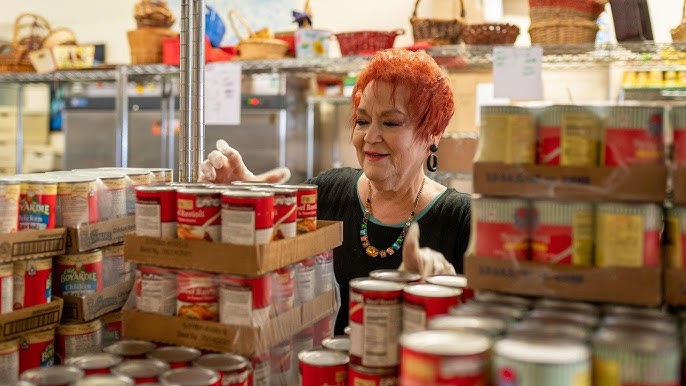
From co-founding ACT UP Chicago to running a food pantry for those with HIV, Cannon’s legacy is one of radical care and relentless action.
Feature image: WTTW
Lori Cannon, a prominent Chicago HIV/AIDS activist and longtime ally of the LGBTQ+ community, died Sunday evening at home. She was 74.
Cannon was best known for her work co-founding Open Hand Chicago in 1985, the city’s only meals-on-wheels program for people living with HIV/AIDS at the time. The program eventually evolved into Groceryland, a food pantry that served thousands across the city. For decades, Cannon remained a central figure in Chicago’s response to the AIDS crisis and a key player in LGBTQ+ organizing efforts.
In a statement, Center on Halsted described Cannon as “a fierce HIV/AIDS activist and beloved pillar of Chicago’s LGBTQ+ community,” adding, “We honor her legacy by continuing the work she so fearlessly championed—supporting those most in need with dignity, compassion, and resolve.”
Cannon’s career in activism began in the early 1980s and quickly intensified as the AIDS epidemic spread across the United States. In 1988, she co-founded ACT UP Chicago alongside Danny Sotomayor and Paul Adams. That same year, she joined the steering committee for the NAMES Project – AIDS Memorial Quilt and helped coordinate its display in Chicago. She continued that work during subsequent exhibitions in 1990 and 1994.
She also served as one of the earliest volunteers for Chicago House, a nonprofit focused on helping people living with or vulnerable to HIV/AIDS live healthy and dignified lives.
“She was one of a kind. A very tough loss today,” said Ald. Bennett Lawson (44th), who represents Lake View, a neighborhood deeply impacted by the epidemic and home to many of Cannon’s initiatives.
Cannon’s reputation as a persistent, hands-on advocate was matched by her visibility. With striking red hair and nails, she became known in some circles as a “beacon in red”—a fixture in Chicago’s LGBTQ+ spaces, from the front lines of protests to community kitchens and planning rooms.
Art Johnston, co-owner of Sidetrack bar and fellow activist, described Cannon as a motivator who inspired direct action.
“We did things we never considered doing, except Lori asked us,” Johnston said. “Whether it was laying down in the street on a march, whether it was collecting groceries and products that people needed to survive, we were all there.”
Born and raised in Chicago, Cannon was not part of the LGBTQ+ community herself but remained closely aligned with its struggle. In a 2007 interview for the Chicago Gay History Project, she said the loss of a close friend who died in her arms shaped her path.
“I decided this was to be my life,” she said. “And I made it my business to network with the spokesmodels in the community who were the movers and shakers. They accepted me. We volunteered together. We got arrested together. No, I’m not gay, but I have such an abiding respect and admiration for the community for what they’ve had to overcome.”
In recognition of her decades of advocacy, Cannon was inducted into the Chicago LGBT Hall of Fame in 1994 as a “Friend of the Community.”
Her work remained active into recent years. Even after Heartland Alliance dissolved in 2025, Cannon continued to lead Groceryland until its final days.
Gov. JB Pritzker called Cannon “a true ally in Illinois,” praising her leadership and compassion. “She led the way with chutzpah and humor,” he said. “May her memory be a blessing.”
Plans for a public memorial are still being finalized. Those wishing to honor her legacy are encouraged to donate to HIV/AIDS organizations or nonprofits working to address hunger.