

Student Loan Forgiveness Rollback – Public Servants in LGBTQ+ Orgs Targeted

Loan forgiveness weaponized as U.S. Dept. of Education revises eligibility for employees at agencies whose work does not fall in line with Trump Admin agenda.
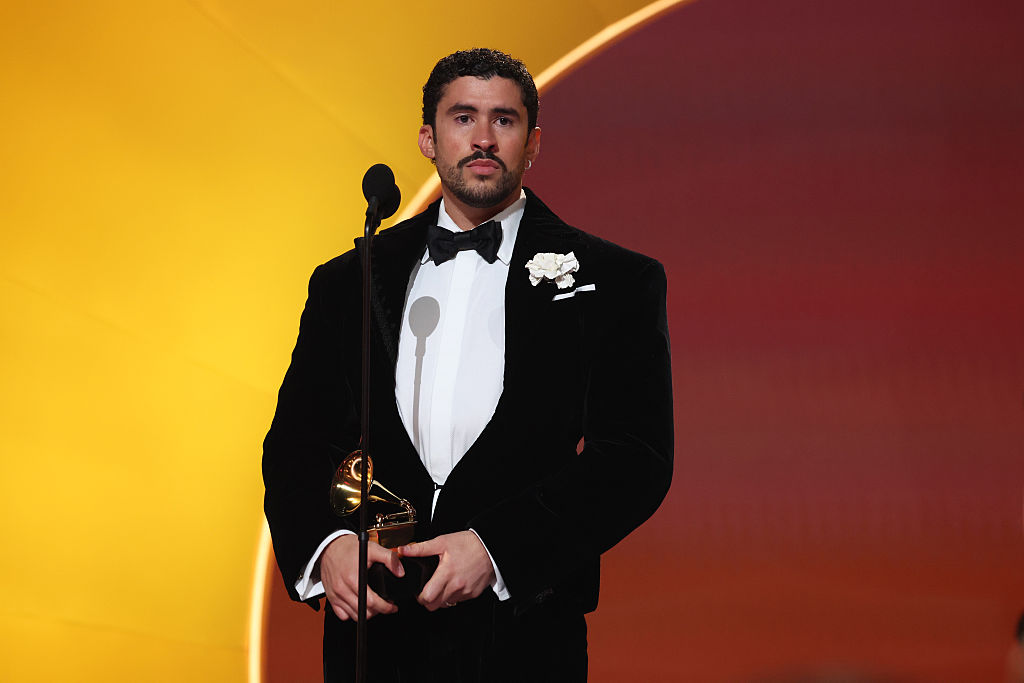
Featured Image: via Getty Images
On Friday, the U.S. Department of Education (ED) published a 185-page new rules document outlining plans to roll back student loan forgiveness for public servants engaged in activities that “have a substantial illegal purpose.” The move is a response to the March 7, 2025 Executive Order which directed the Department to draft new rules. The activities described as illegal include “abetting illegal immigration” and “engaging in the chemical and surgical castration or mutilation of children.”
The Public Service Loan Forgiveness program (PSLF) is the result of a bipartisan congressional initiative in 2007, to incentivize graduates to take jobs in nonprofits and government – essential service roles that otherwise might not be financially viable. As described by Democracy Forward: “The concept was simple: work for the federal, state, local, or Tribal government, or 501(c)(3) nonprofit employer for 10 years and make payments on your qualifying student loans, and the federal government will forgive the remaining debt.”
More than one million workers have had their federal student loans forgiven through the program since inception.
Many are now rightfully concerned that the rollback will target organizations with ideological leanings that are not aligned with the Trump Administration, even if not technically illegal in the sense that Executive Orders are directives on how to implement the law, but not the law itself. This might well affect orgs determined to be advancing human rights deemed unsavory by the current administration, such as trans rights, gender-affirming care, racial equity, immigrant rights and even activity related to legal and peaceful protests.
It would not be an irrational leap to consider whether certain pronoun usage might be deemed “unlawful,” given that the ED rule draws on Executive Orders in determining what it considers to be a violation of “anti-discrimination laws.” The Executive Order of January 20, 2025, for instance, addresses “gender ideology” and how people “self-identify,” including the use of “clear and accurate language and policies that recognize women are biologically female, and men are biologically male.” The Secretary of Education will ultimately determine what constitutes a “substantial” illegal purpose.
LGBTQ+, healthcare and education-related entities are clearly in the crosshairs. Last summer, The Institute for College Access and Success noted, “The Administration previously has targeted 45 institutions of higher education, alleging that they are violating the Civil Rights Act. All employees of any of those institutions could lose PSLF eligibility if this regulation, as it is currently proposed, was used against them.”
Rather than targeting the actual borrower, the employer will be targeted. If deemed to be engaged in “substantial illegal activity,” the entire agency/nonprofit will be barred from the loan forgiveness program; borrowers who work for the organization will become ineligible for loan forgiveness, even if they have nothing to do with the alleged unlawful activity.
The new rule goes into effect on July 1, 2026. If an employer is determined to have engaged in “illegal activity,” credit earned by a borrower prior to that determination will not be affected.
In response, Democracy Forward and Protect Borrowers (formerly Student Borrower Protection Center) plan to sue the Trump administration to block loan forgiveness restrictions before any employer is denied eligibility. “This new rule is a craven attempt to usurp the legislature’s authority in an unconstitutional power grab aimed at punishing people with political views different than the administration’s. In our democracy, the president does not have the authority to overrule Congress,” the advocacy warriors said in a joint statement. They’ve given notice: “We’ll See You in Court.”