

From Lesbian Star Gladys Bentley To A 1932 Drag Gown: The Gay Harlem Renaissance Exhibit To Open At The New York Historical Society
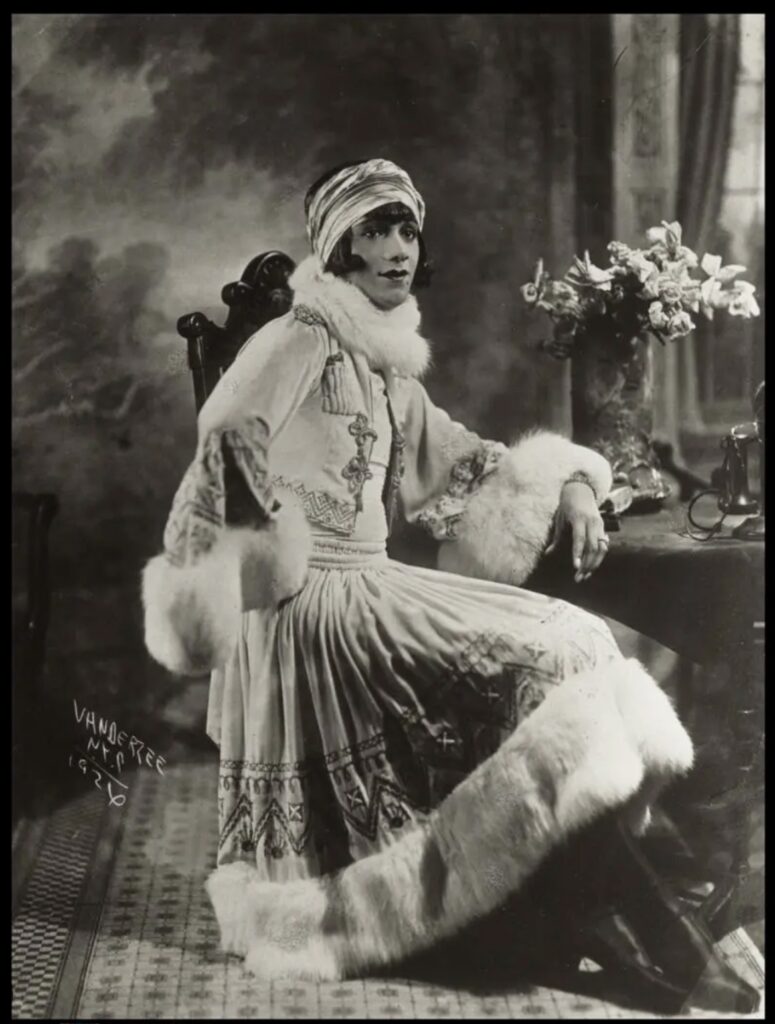
A spotlight on Black LGBTQ+ creatives – from nightclubs to hidden speakeasies, these artists took center stage.
Featured Image: Person in a Fur-Trimmed Ensemble, 1926 (James Van Der Zee Archive), The Metropolitan Museum of Art; Image source: Art Resource, NY
On Friday, October 10, The New York Historical opens the doors of the highly-anticipated Gay Harlem Renaissance exhibit. Offerings explore Black LGBTQ+ artists, writers, and performers central to the Harlem Renaissance, as well as ‘everyday’ Black gay life in the early 20th century. The spotlight is on queer creativity, friendship circles, and mentorships that flourished in the salons, social clubs, intimate rent spaces and vibrant nightlife scenes of Harlem – one of New York’s preeminent entertainment districts and the epicenter of Black LGBTQ+ life.
At the heart of the curation: “Whether on Harlem’s biggest stages or in its nightclubs or hidden speakeasies, LGBTQ+ performers took center stage.” During this time, as the NYHS notes, queer and straight artists formed close-knit circles, and exchanged ideas that shaped the expansive spirit of the Harlem Renaissance—and helped shape the future of Black art and culture.
The highlighting of these LGBTQ+ contributors – both known and lesser known – couldn’t be more timely, with the government’s foot to the pedal on altering, erasing and otherwise censoring both Black and queer history. But nothing can erase this fact: these artists were thriving in their day, and their contributions to the broader cultural world remain immeasurable.
“The Gay Harlem Renaissance shows that Black LGBTQ+ life was far more visible, accepted, and integrated into the daily life of 1920s Harlem than most people imagine,” according to George Chauncey, the exhibition’s chief historian, per a statement released by NYHS. “The exhibition takes visitors to the basement speakeasies, rent parties, and drag balls where ordinary queer and straight people built lives together, as well as to the salons of the cultural elite.”
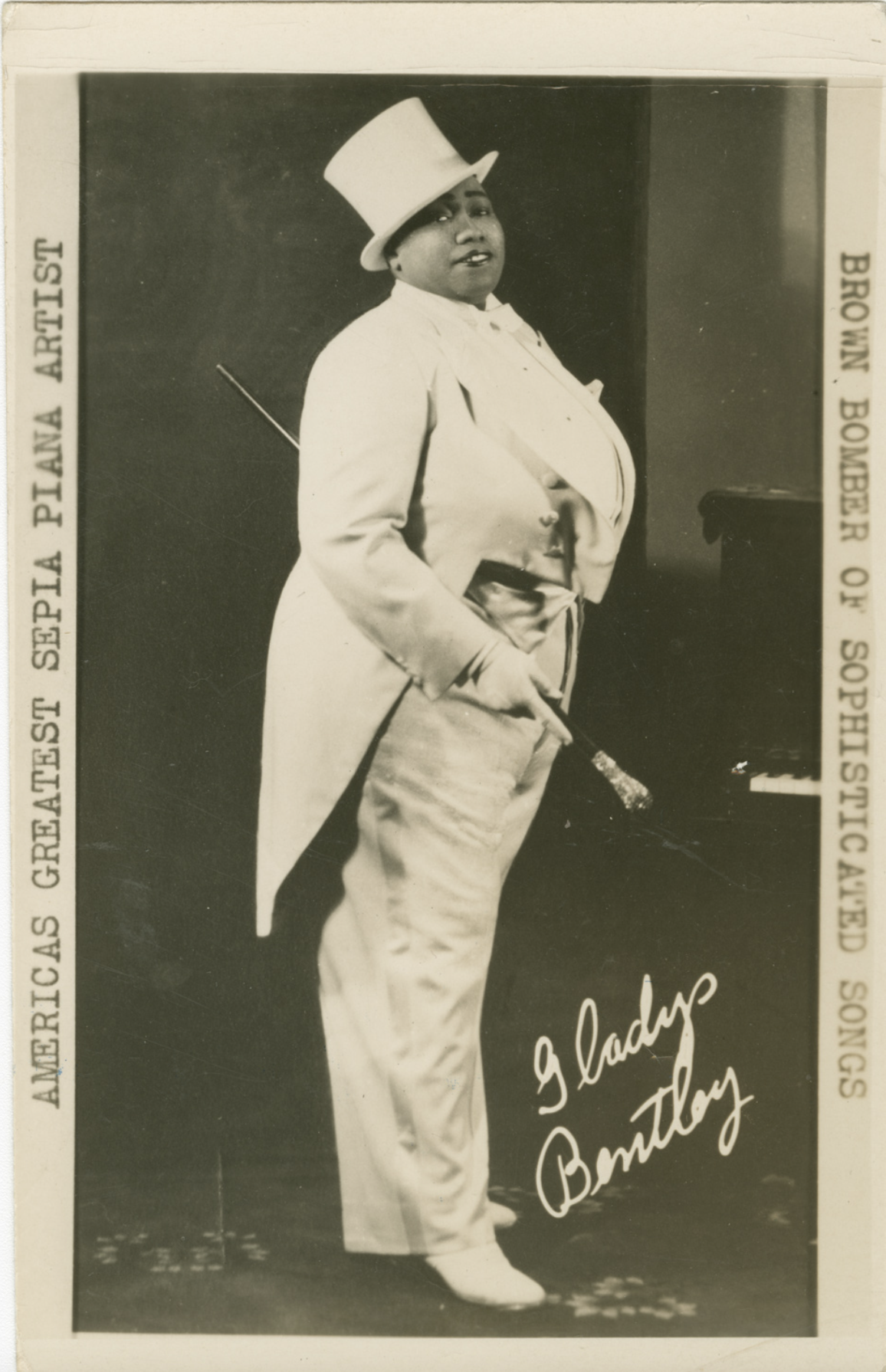
Image: Unidentified photographer, Gladys Bentley (1907-1960), ca. 1940; Collection of the Smithsonian, National Museum of African American History and Culture
The Gay Harlem Renaissance brings together over 200 objects, including paintings, sculptures, artifacts, documents, photographs, books, and music. Highlights include: “transmasculine” Harlem star Gladys Bentley, on gelatin silver print, in signature white tuxedo and top hat; recordings of blues songs with queer themes by Bessie Smith, Ma Raineey (partial to suit jacket and fedora) and Ethel Waters; and a recreation of the gown worn by Bonnie Clark at the 1932 Hamilton Lodge Ball, the largest drag ball on the East Coast. Plus much more!
The Gay Harlem Renaissance Exhibit is on view at The New York Historical from October 10, 2025 – March 8, 2026.

Image: Paramount Records, ad for “Prove It on Me Blues,” Chicago Defender,1928 (features Ma Rainey flirting with two women)