

SCOTUS To Consider Whether Conversion Therapy Bans Violate First Amendment
Colorado law protects youth from the dangerous, discredited practice; a counselor argues censorship of client conversations violates Free Speech.
Featured Image: Photo by Vuk Valcic/SOPA Images/LightRocket via Getty Images
On Tuesday, October 7, the Supreme Court will hear oral arguments in Chiles v. Salazar, a case about whether conversion therapy bans violate the First Amendment. Chiles is the one of several cases the Court will hear this term brought by the Alliance Defending Freedom (ADF), a Southern Poverty Law Center designated anti-LGBTQ hate group. ADF argues that conversion therapy bans – Colorado’s Minor Conversion Therapy Law (MCTL) – censor conversations between counselors and clients, infringing on Freedom of Speech.
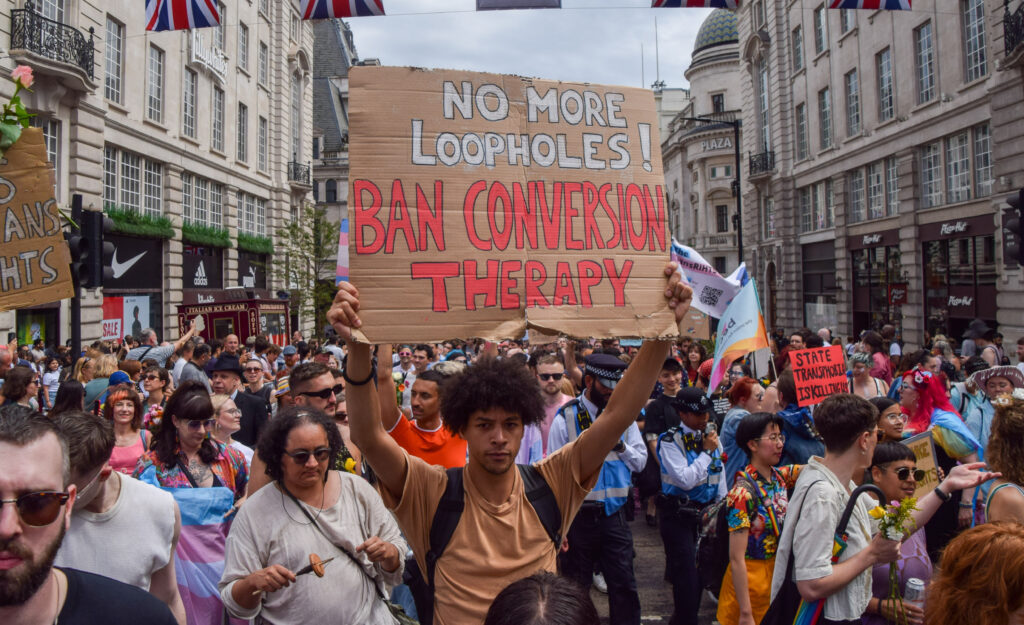
Conversion therapy is the dangerous, discredited practice that attempts to change a young person’s sexual orientation or gender identity/gender expression. According to The Trevor Project: “These unscientific practices are rooted in outdated ideas that LGBTQ+ people are ‘unnatural’ or need to be ‘cured.’ Historically, these practices have involved behavior modification and painful aversive treatments, as well as discredited psychoanalytic theories such as the claim that being gay is ’caused’ by faulty parenting, trauma, or abuse.”
Related: Parliament In The Netherlands Has Voted To Criminalize Conversion Therapy
In Chiles v. Salaza, Justices will hear a challenge to current Colorado state law, which protects minors from being subjected to conversion therapy by licensed mental health professionals. In this case, Kaley Chiles, a licensed professional counselor (LPC), petitioned the Court to question “Whether a law that censors certain conversations between counselors and their clients based on the viewpoints expressed regulates conduct or violates the Free Speech Clause.”
Patty Salazar, Executive Director of the Colorado Department of Regulatory Agencies, representing the state of Colorado, maintains that the current law protects youth from practices that have been proven to be dangerous and abusive.
According to the Trevor Project, research shows that LGBTQ+ youth who experienced conversion therapies are more than twice as likely to attempt suicide. These practices are also associated with long-lasting social and emotional consequences, including: depression, anxiety, suicidality, substance abuse, a range of post-traumatic responses, loss of connection to community, damaged familial relationships, self-blame, guilt, and shame.
These “reparative therapies” are also condemned by The American Psychiatric Association, The American Psychological Association, and the The American Medical Association which notes that techniques include aversive conditioning (e.g., electric shock, deprivation of food and liquids, smelling salts and chemically-induced nausea); biofeedback; hypnosis; and masturbation reconditioning. The American Psychiatric Association, The American Psychological Association and 12 other mental health and medical professional organizations have filed an amicus curiae in support of the respondents.
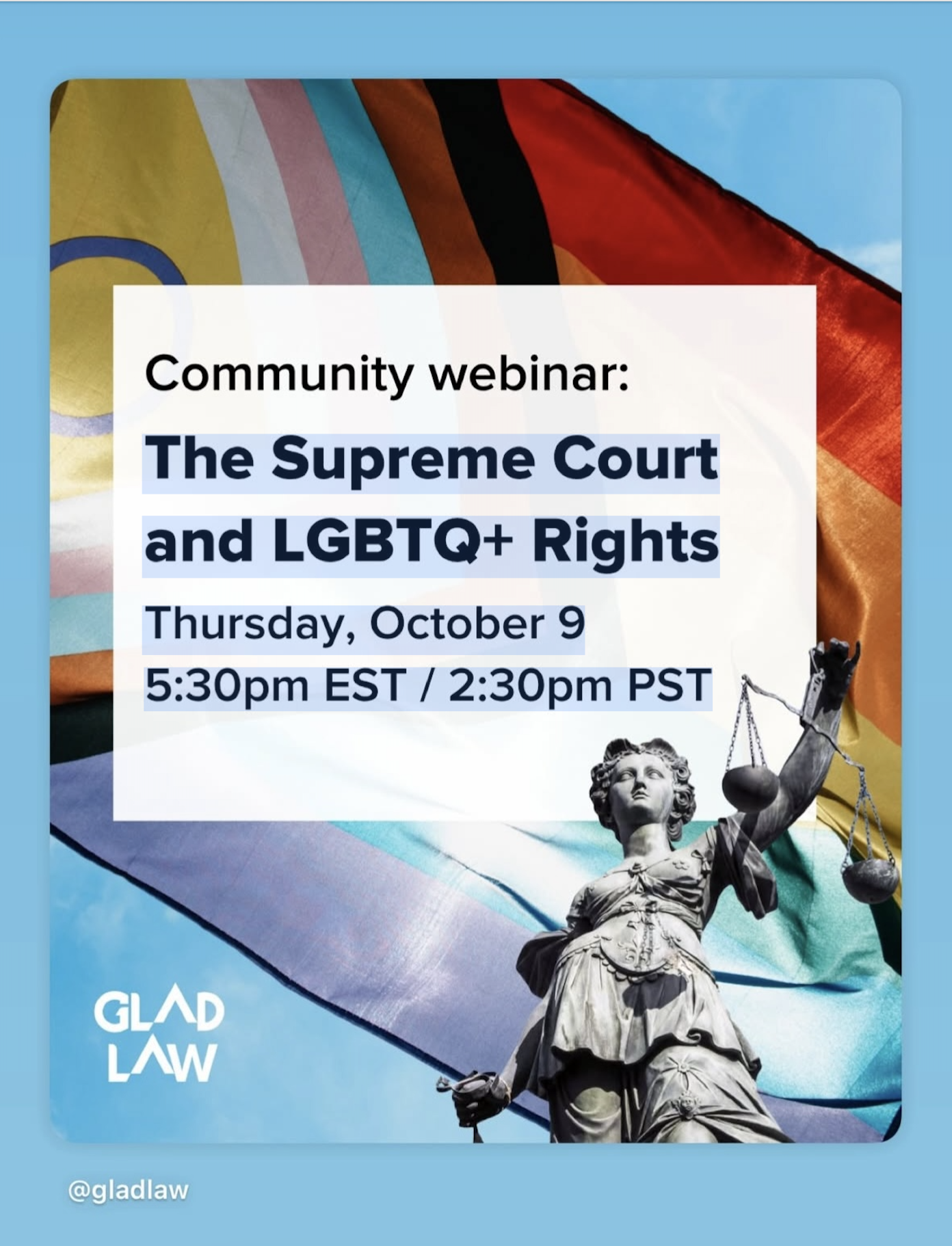
On August 27, LGBTQ+ legal advocates GLAD Law filed a friend-of-the-court brief on behalf of LGBTQ+ conversion therapy survivors in the Chiles v. Salazar case. The non-profit is also holding a virtual Community Briefing: LGBTQ+ Rights at the Supreme Court on Oct. 9th. Sign up here.