

Senators Introduce Bipartisan Bill To Bring Back Lifeline For LGBTQ+ Youth In Crisis
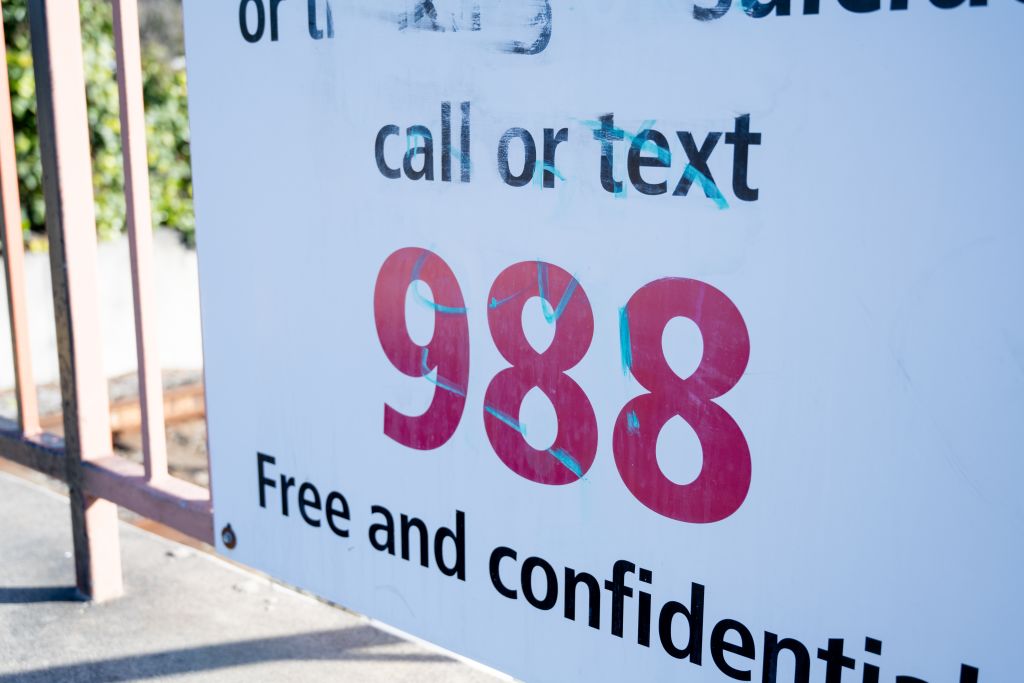
The bill would reinstate 988’s specialized option connecting young LGBTQ+ callers with trained crisis counselors.
Featured image by Smith Collection/Gado/Getty Images
A rare moment of bipartisan agreement emerged on Capitol Hill this week as Senators Tammy Baldwin, a Democrat from Wisconsin, and Lisa Murkowski, a Republican from Alaska, introduced legislation to reinstate a national suicide prevention hotline for LGBTQ+ youth. The bill comes after the Trump administration cut off specialized services this summer, a move that left some of the most vulnerable young people without a lifeline.
The legislation, called the 988 LGBTQ+ Youth Access Act, would restore a feature of the 988 Suicide & Crisis Lifeline that once allowed callers to press “3” to be connected with counselors trained to support LGBTQ+ youth. It would also require the Secretary of Health and Human Services to dedicate funding to re-establish, operate, and maintain those services.
Related: The 988 Funding Cut Is More Than An Attack On One Suicide Crisis Line
“We are in the middle of a mental health crisis, and the 988 lifeline saves lives, plain and simple,” Baldwin said in a statement. “There is absolutely no good reason that Donald Trump took away this specialized help for our LGBTQ youth. Mental health does not see partisan lines or geography.”
The Trevor Project, which has been a leading provider of LGBTQ+-focused crisis support, reports that more than 1.8 million LGBTQ+ young people in the U.S. seriously consider suicide each year. The organization also saw a staggering 700 percent increase in calls and texts to its hotlines after Donald Trump was declared the winner of the 2024 presidential election.
“Given that LGBTQ+ youth are more than four times as likely to attempt suicide than their peers, the need for these services remains pressing,” said Trevor Project CEO Jaymes Black in a statement. “This is not about politics, or identity; this is about doing what is best to support our country’s highest risk populations — and save young people’s lives nationwide.”
Related: L.A. Moves To Protect Lifeline For LGBTQ+ Youth As Federal Funding Vanishes
The removal of this option was especially harmful at a time when political rhetoric targeting LGBTQ+ people is intensifying.
“LGBTQ+ youth are facing a mental health crisis at a scale we can’t ignore,” Melanie Willingham-Jaggers, executive director of GLSEN, said in a statement. “Our LGBTQ+ youth matter and they deserve support, safety and someone to turn to in their darkest moments. We’re proud to see leaders on both sides of the aisle standing up for their lives.”
The bill has drawn support from suicide prevention groups including the American Foundation for Suicide Prevention, and a companion version will be introduced in the House by a coalition of Democrats and Republicans.